.jpg?x-oss-process=image/resize,h_400,m_lfit/format,webp)
The 2024 landscape of global animal and vegetable oil pressing technologies marks a pivotal shift towards enhanced efficiency and sustainable practices. Against the backdrop of increasing demand for high-quality edible oils such as soybean, peanut, and palm oil, manufacturers are adopting cutting-edge process optimizations designed to maximize oil yield while minimizing environmental footprint. Paramount among these trends is the integration of mechanical pressing with advanced physical filtration systems, delivering superior oil purity alongside extraction rates improved by up to 10–15%.
Each oilseed type bears unique characteristics affecting its behavior during pressing, necessitating tailored technological approaches. Soybean presses, for instance, benefit from controlled temperature ranges between 85°C to 95°C and moderate pressure adjustments (4.5–6 MPa) to avoid protein denaturation while maximizing oil liberation. Conversely, peanut oil pressing emphasizes careful moisture regulation to prevent filter clogging during subsequent stages. Palm oil extraction, characterized by the fruit’s fibrous consistency, requires a balancing act of pressing duration and rpm settings to optimize throughput without compromising oil quality.
The incorporation of physical filtration techniques post-mechanical extraction has been proven to significantly elevate oil purity levels. Technologies such as vacuum filtration and sedimentation tanks work in tandem with screw presses to reduce residual solids from 0.15% to below 0.05%, directly impacting shelf life and consumer trust. This synergy also facilitates compliance with strict international export standards, effectively opening doors to premium markets.
| Process Parameter | Optimal Range | Impact on Yield |
|---|---|---|
| Temperature (°C) | 85-95 | Up to +7% oil extracted |
| Pressure (MPa) | 4.5 - 6 | Up to +5% oil yield increment |
| Pressing Time (min) | 15 - 20 | Balance between quantity and oil quality |
Fine-tuning operational protocols yields multifaceted benefits: reduced energy consumption by 8-12%, minimized raw material wastage, and improved maintenance cycles. Implementing stepwise pressure ramping and real-time temperature monitoring empowers operators to sustain optimal extraction conditions consistently. Moreover, modular pressing systems scalable to facility size present a cost-effective solution, especially for small to medium enterprises seeking entry into the export arena.
.jpg)
Recent deployments of fully automatic multi-functional oil presses in Southeast Asian mid-sized oil mills have delivered average yield improvements of 12%, alongside a 10% reduction in operational energy consumption. These enhancements have translated into quicker ROI periods and enabled clients to meet stringent export quality benchmarks in Europe and North America.
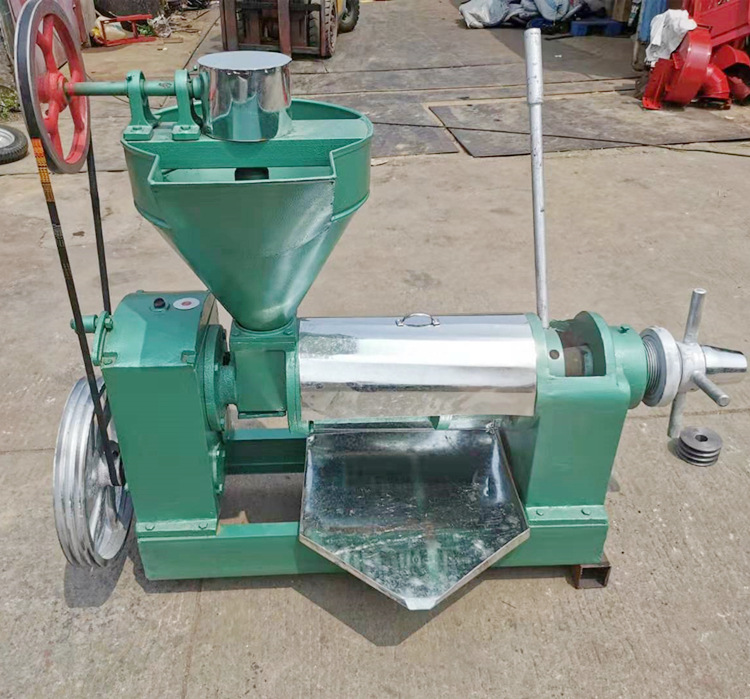
Embracing such process refinements substantiates a competitive advantage in the international commodities market where sustainability and quality are actively rewarded. Firms investing in technology-driven improvements not only amplify their extraction efficiency but also champion responsible production, aligning with global trends emphasizing environmental stewardship.
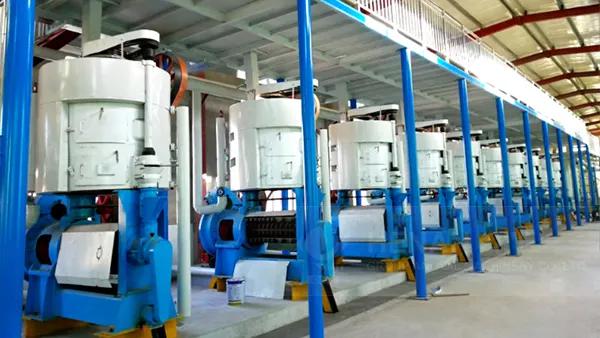
Tap into the forefront of oil pressing innovation. Discover how our advanced automatic multi-functional oil presses can boost your oil recovery rates by 12% and empower your export ambitions today.





