The global vegetable oil export industry stands at the cusp of transformative change as we approach 2025. With shifting consumer preferences, tightening environmental regulations, and rapid technological advancements reshaping market dynamics, producers and processors face both unprecedented challenges and opportunities. This in-depth analysis explores the critical trends defining the industry's future and how forward-thinking equipment investments can position businesses for success in this evolving landscape.
The global vegetable oil market, valued at approximately $220 billion in 2023, is projected to grow at a CAGR of 4.5% through 2025, driven by increasing demand from emerging economies and evolving dietary patterns worldwide. However, this growth is accompanied by significant structural shifts that are redefining industry standards and competitive advantage.
Consumer awareness regarding food origins and health impacts has reached unprecedented levels, with 78% of European households actively seeking non-GMO food products, according to recent market research. This trend is particularly pronounced in North America and Western Europe, where non-GMO vegetable oils command price premiums of 15-20% over conventional alternatives.
Simultaneously, specialty oils such as avocado, coconut, and high-oleic sunflower oil are experiencing double-digit growth rates, driven by their perceived health benefits. This shift is forcing processors to adapt production lines to handle diverse feedstocks while maintaining strict segregation protocols—challenges that require flexible processing equipment capable of quick changeovers.
Stringent environmental regulations are transforming refining operations worldwide. The European Union's carbon pricing mechanism, which already affects energy-intensive industries, is pushing vegetable oil processors to reduce their carbon footprint. Industry studies indicate that energy costs now account for 25-30% of total production expenses in many regions, making energy efficiency a critical competitive factor.
Beyond energy consumption, wastewater treatment and waste management have become focal points of regulatory scrutiny. Processors operating in export markets must now comply with multiple, often conflicting, environmental standards, necessitating equipment designed with sustainability at its core.
The traditional model of large-scale, standardized vegetable oil production is giving way to more flexible, small-batch processing capabilities. This shift is driven by several factors: the growing demand for specialty oils, increased emphasis on regional sourcing, and the need for rapid product innovation.
Export markets increasingly require tailored solutions, with buyers seeking specific fatty acid profiles, natural antioxidants, and unique processing methods. This trend is particularly evident in the food service and cosmetic industries, where product differentiation has become a key competitive strategy. Market data suggests that processors offering customizable production runs capture margins up to 30% higher than those producing commodity oils.
Different vegetable oil categories face unique market pressures and processing requirements, creating distinct challenges for equipment and process design. Understanding these nuances is critical for processors looking to optimize their operations for specific export markets.
As the most widely produced vegetable oil globally, accounting for approximately 35% of total production, soybean oil faces intense price competition and evolving quality standards. The shift toward high-oleic varieties, which offer improved stability and nutritional profiles, requires processing equipment capable of handling these specialized beans without compromising yield.
Sunflower oil exports have grown by 12% annually over the past five years, driven by its perceived health benefits and versatility. High-oleic sunflower oil, in particular, is gaining market share in premium food applications. Processing equipment must accommodate both conventional and high-oleic varieties while maintaining the oil's distinctive nutritional properties.
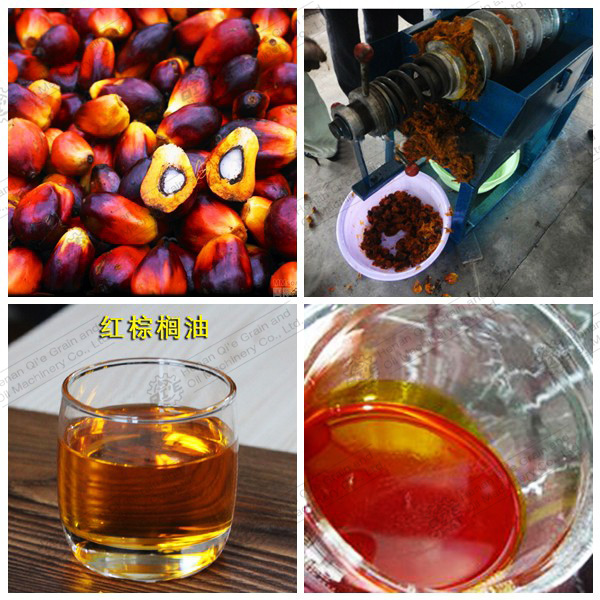
Palm oil continues to face significant sustainability challenges, with 62% of European buyers now requiring certification from the Roundtable on Sustainable Palm Oil (RSPO). Processors must implement traceability systems and efficiency improvements to meet these standards while addressing environmental concerns related to land use and biodiversity.
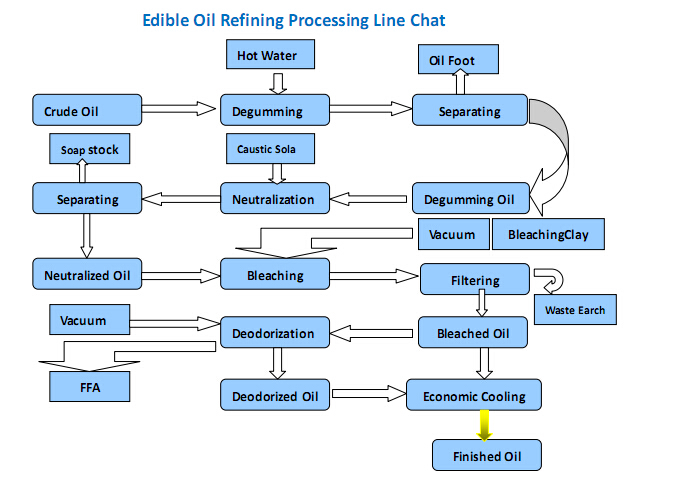
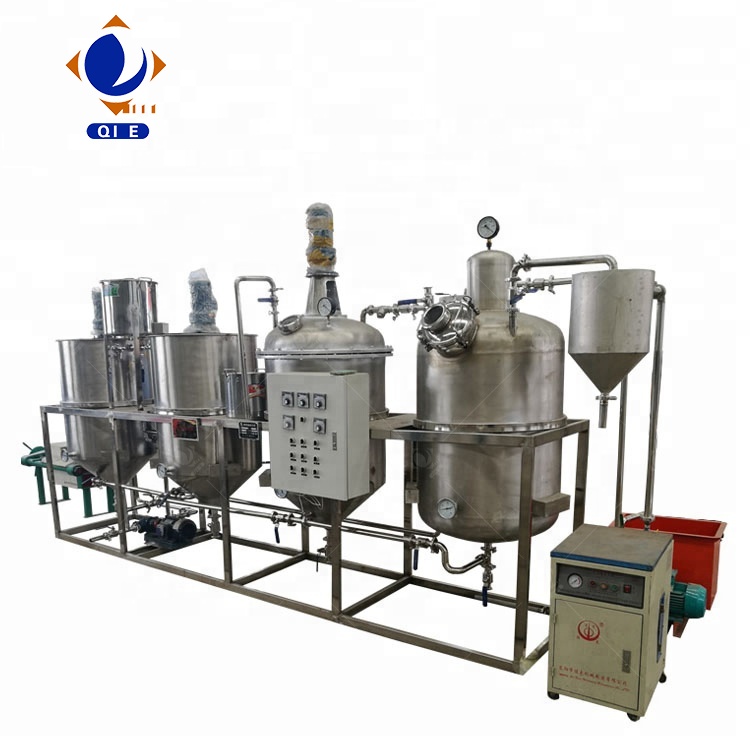
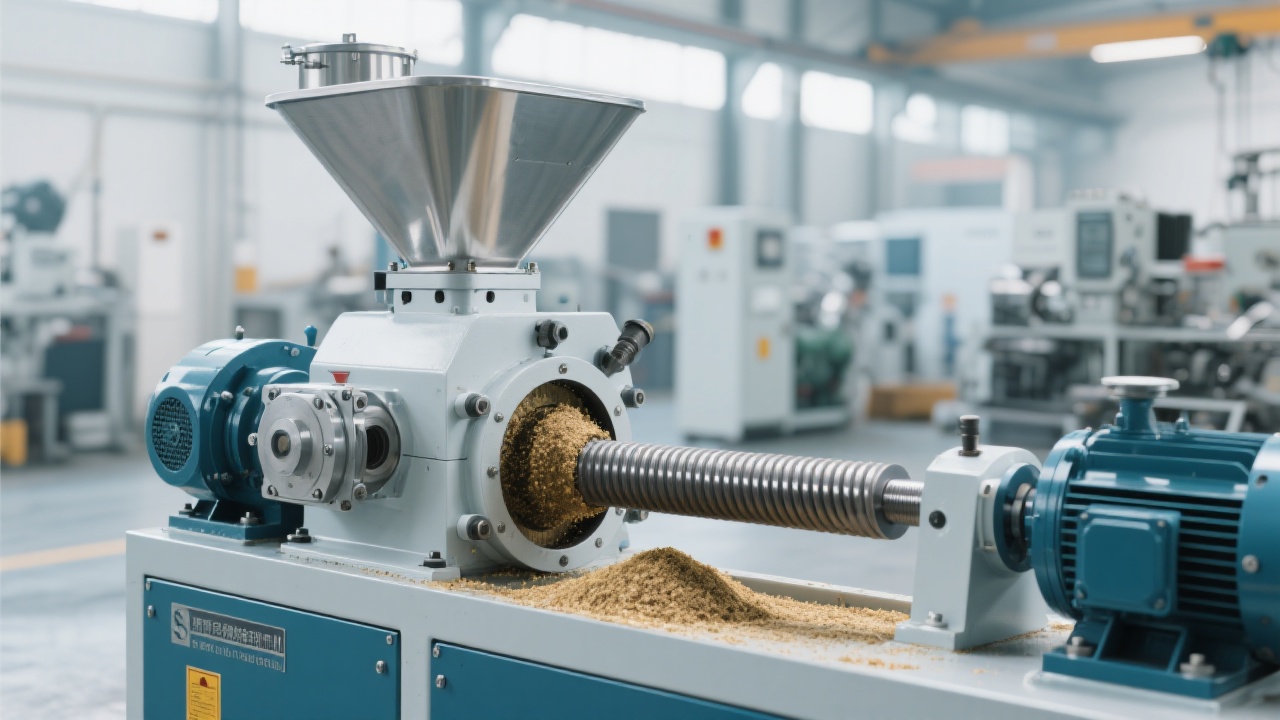
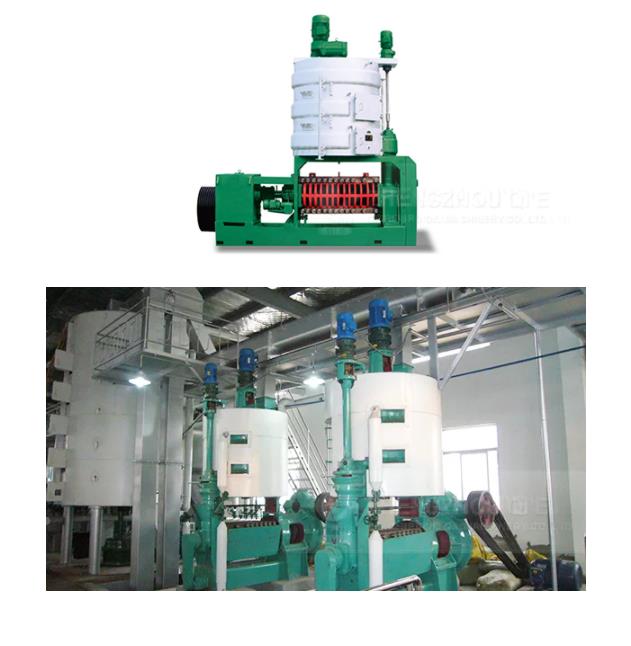
In this rapidly evolving market, processing technology has become a critical differentiator. Modern equipment solutions are addressing industry challenges through innovative design and intelligent features that deliver measurable benefits across key performance indicators.
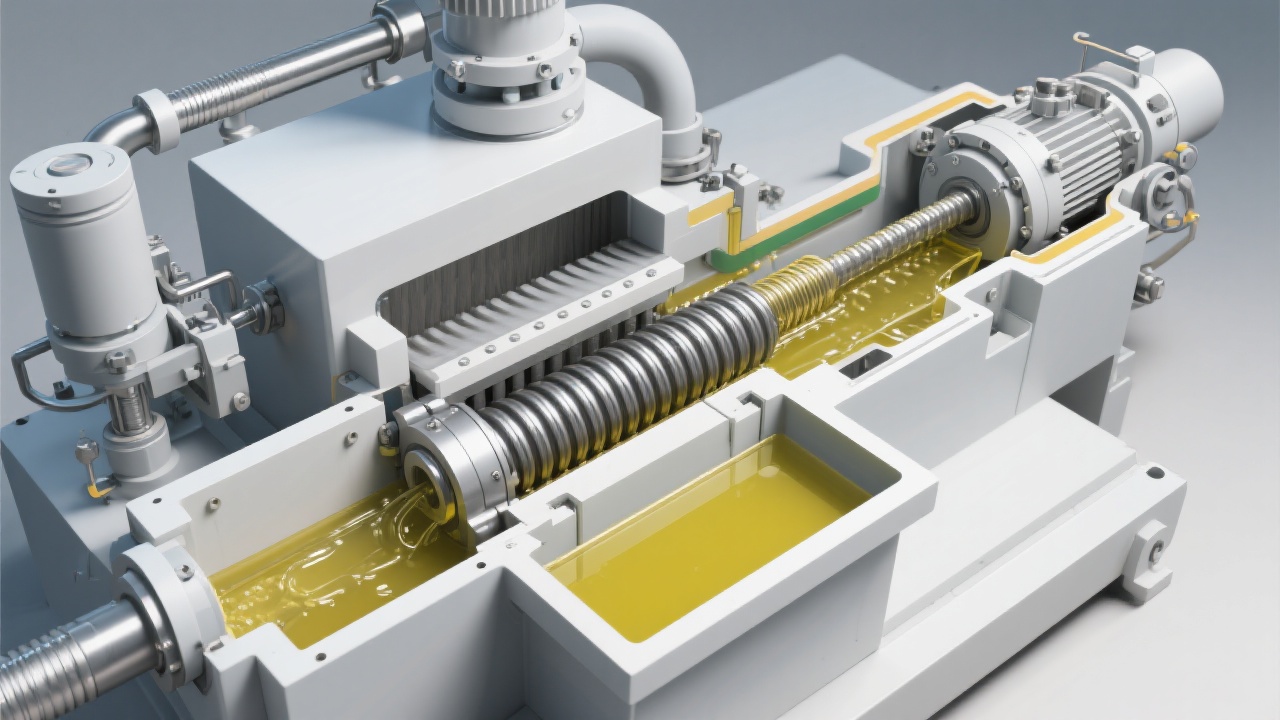
Advanced pressing technology has transformed yield optimization, with state-of-the-art equipment achieving extraction efficiencies of 97-98% compared to 92-94% for conventional systems. This seemingly small difference translates to substantial economic impact—for a medium-scale processor handling 500 tons of soybeans daily, a 3% yield improvement represents approximately $400,000 in additional annual revenue.
Furthermore, modern systems reduce energy consumption by 30-35% through optimized mechanical processes and intelligent energy management. This not only lowers operational costs but also positions processors favorably in markets increasingly focused on sustainability credentials.
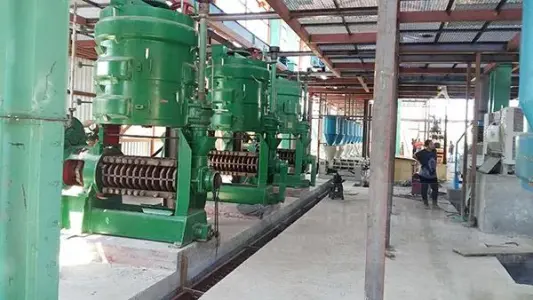
Perhaps the most significant advantage of modern processing equipment is its ability to handle multiple oilseeds with minimal changeover time. Systems designed with quick-disconnect components and automated cleaning processes can switch between oilseeds in under an hour, compared to 4-6 hours for traditional equipment.
This flexibility has become increasingly valuable as market demands shift rapidly. Processors report that equipment with multi-oil capability has enabled them to respond to emerging opportunities 3-4 times faster than competitors with single-purpose lines, capturing premium prices in specialty oil markets.
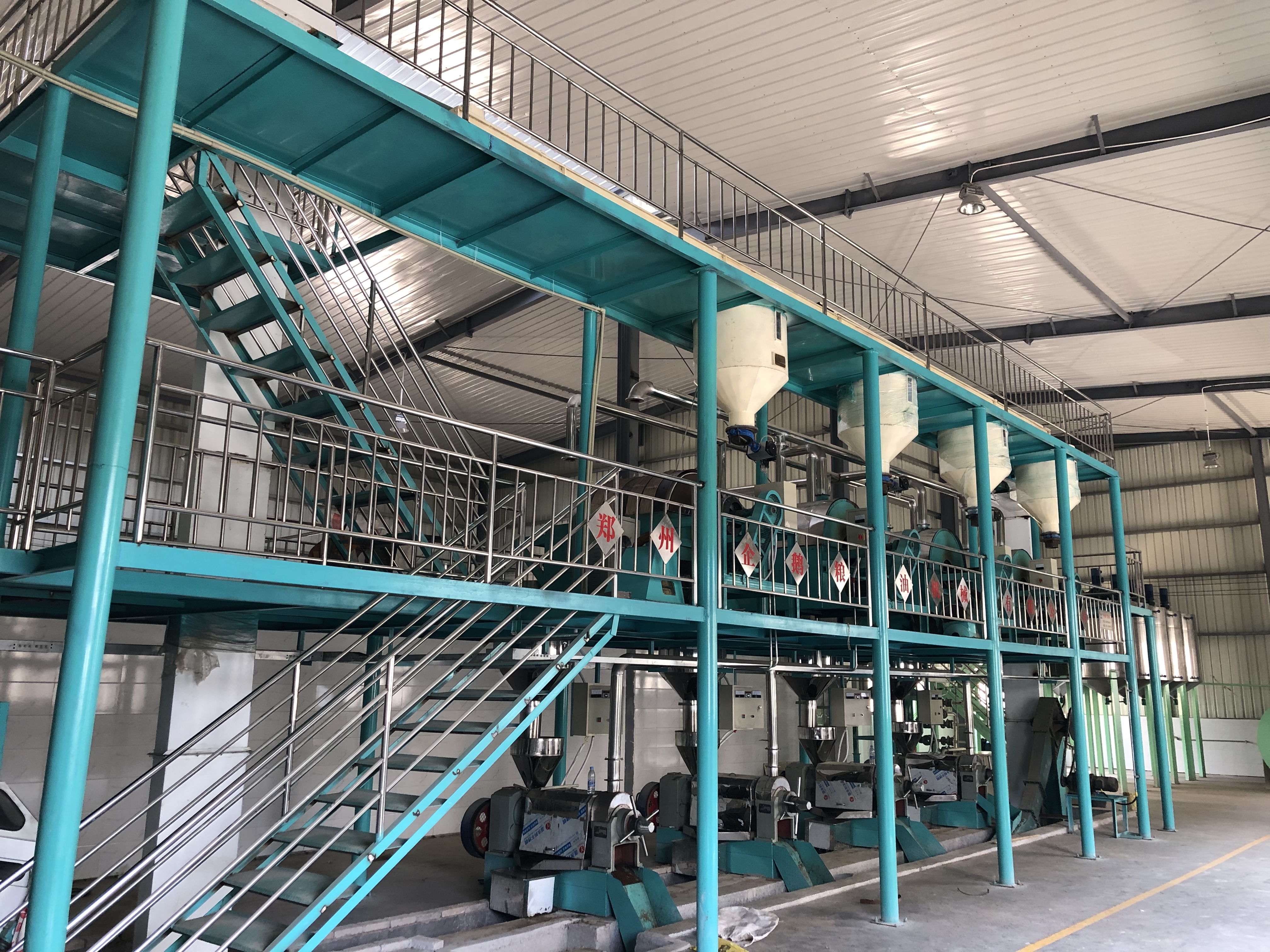
The benefits of advanced processing technology extend across all operational scales, from small regional processors to large multinational operations. Each segment faces unique challenges that modern equipment addresses in distinct ways.
For smaller processors, space and capital efficiency are paramount. Compact, modular systems allow entry into specialty oil markets without requiring significant facility expansion. A case study of a 50-ton/day sunflower processing facility in Eastern Europe demonstrated ROI within 14 months after upgrading to a modern, energy-efficient system, primarily through yield improvements and reduced utility costs.
At the industrial scale, reliability and data-driven optimization become critical. A major palm oil processor in Southeast Asia reported a 22% reduction in maintenance costs after implementing intelligent processing equipment with predictive maintenance capabilities. The system's ability to analyze performance data in real-time also identified process inefficiencies that were costing approximately $1.2 million annually.
Discover how multi-oil processing technology can help you capitalize on emerging market trends, reduce operational costs, and meet evolving regulatory requirements.
Get Your Custom Processing Solution AssessmentOur team of specialists will analyze your current operations and provide tailored recommendations for maximizing efficiency and profitability in the evolving global market.
As environmental regulations tighten and consumer preferences continue to evolve, the gap between industry leaders and laggards will widen. The processors who thrive in 2025 will be those who recognize these trends not as challenges, but as opportunities to differentiate their products, optimize their operations, and build sustainable competitive advantage through strategic equipment investments.

 301
|
301
|
 oilseed preprocessing equipment
efficient vegetable oil production solutions
versatile seed preprocessing line
oilseed preprocessing equipment
efficient vegetable oil production solutions
versatile seed preprocessing line
 452
|
multifunctional peanut oil refining equipment
small-scale oil factory refining technology
peanut oil production efficiency
452
|
multifunctional peanut oil refining equipment
small-scale oil factory refining technology
peanut oil production efficiency
 339
|
Maize germ oil pressing efficiency improvement techniques
Maize germ moisture content detection methods
Physical pressing process application guide
Cold pressing vs. hot pressing comparative analysis
Grain and oil processing equipment operation tutorial
339
|
Maize germ oil pressing efficiency improvement techniques
Maize germ moisture content detection methods
Physical pressing process application guide
Cold pressing vs. hot pressing comparative analysis
Grain and oil processing equipment operation tutorial
 274
|
Peanut Oil Press Machine
Automatic Peanut Oil Press
Cold Press Peanut Oil Machine
High-Efficiency Oil Extractor
Low Temperature Oil Press
Oil Extraction Machine
Multi-Purpose Oil Press
Industrial Peanut Oil Machine
Peanut and Soybean Oil Extractor
274
|
Peanut Oil Press Machine
Automatic Peanut Oil Press
Cold Press Peanut Oil Machine
High-Efficiency Oil Extractor
Low Temperature Oil Press
Oil Extraction Machine
Multi-Purpose Oil Press
Industrial Peanut Oil Machine
Peanut and Soybean Oil Extractor
 188
|
corn germ oil pressing efficiency
physical pressing process
intelligent temperature control system
grain and oil processing equipment
pressing parameter optimization
188
|
corn germ oil pressing efficiency
physical pressing process
intelligent temperature control system
grain and oil processing equipment
pressing parameter optimization