.jpg?x-oss-process=image/resize,h_400,m_lfit/format,webp)
In 2025, vegetable oil processors face a rare combination of pressure and opportunity: consumers want “cleaner” nutrition and safer supply chains, while regulators and brands demand traceability and lower emissions. In practice, this is reshaping how mills select pressing and refining equipment—especially for palm oil and sunflower oil, two categories riding strong demand across retail, foodservice, and industrial users.
“Health-forward consumption and stricter food-safety expectations are no longer a premium niche; they are the baseline.” — A recurring conclusion echoed across public outlooks from FAO, the World Bank, and multi-country food industry surveys (2023–2025)
Global edible oils consumption continues to grow, supported by population expansion, urbanization, and rising demand for packaged foods. Industry estimates commonly place global vegetable oil consumption above 210 million metric tons in 2024, with steady growth expected into 2025–2027. Yet the bigger shift is qualitative: buyers increasingly evaluate oils by fatty-acid profile, stability, contaminants control, and sustainability claims.
For processors, this translates into a sharper focus on: higher yield per ton, consistent quality, lower energy per kg of oil, and auditable food-safety systems. That is exactly where multi-functional pressing lines and modern refining equipment are becoming strategic assets rather than “capex items.”
| Buyer Requirement | What It Means for Processing | Most Affected Steps |
|---|---|---|
| “Health” positioning (balanced fats, fewer impurities) | Stable refining, predictable color/odor, controlled oxidation | Degumming, neutralization, deodorization |
| Food safety & compliance (lower contaminants, better hygiene) | Closed-loop handling, CIP-ready systems, reliable monitoring | Pressing, filtration, storage, refining |
| Lower carbon & waste (resource efficiency) | Heat recovery, reduced chemical loss, valorized by-products | Pre-treatment, refining, wastewater management |
| Reliable supply (volatility-proof sourcing) | Flexible lines that can switch seeds/oils and keep specs | Multi-seed pressing, modular refining |
.jpg)
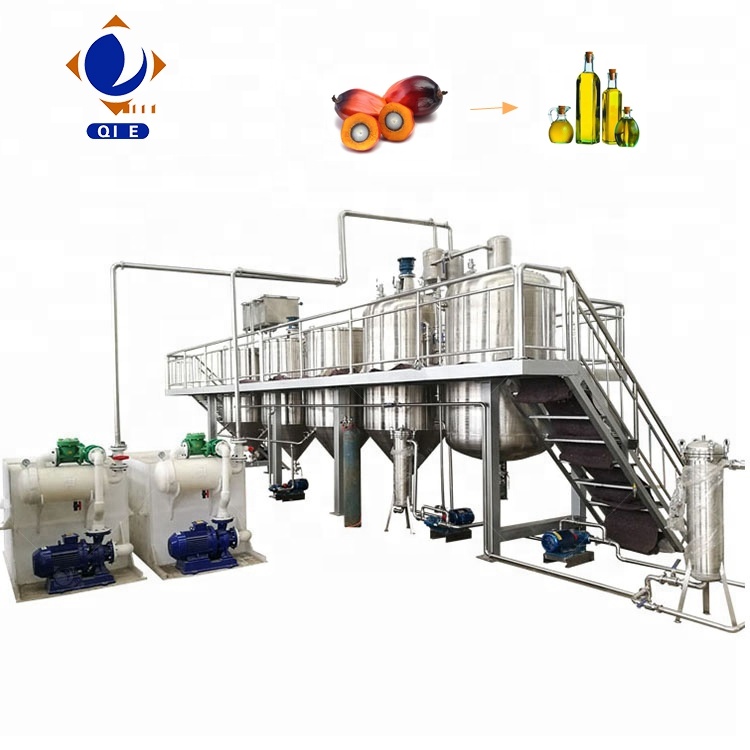
Palm oil remains one of the most cost-efficient oils on the planet, not just because of price cycles, but due to its productivity per hectare and broad industrial usability. In 2025, demand is still supported by bakery, confectionery, frying applications, and oleochemical downstream industries.
The “health and safety” angle is reshaping procurement criteria rather than replacing palm oil outright. Large buyers increasingly specify tighter limits on process contaminants and require stronger traceability documentation. That pushes mills and refiners toward better thermal control, improved deodorization design, and more consistent pre-treatment to manage oxidation and quality drift.
In practical terms, winning supply contracts increasingly depends on whether the plant can run stable, auditable refining—not simply whether it can produce volume. Facilities that invest in better temperature profiles, lower residence-time variability, and hygienic design are the ones that hold premium customers longer.
Sunflower oil benefits from a persistent consumer perception: it is “lighter,” “cleaner,” and more aligned with modern home cooking. Across many import markets, it is also a common reformulation target when brands want to adjust labeling and taste profiles without dramatic changes to texture.
However, sunflower supply is more exposed to regional crop volatility. That has encouraged processors and traders to diversify origins and, importantly, to upgrade processing efficiency so that margins remain stable even when seed costs fluctuate.
| Metric | Typical Range | What Improves It |
|---|---|---|
| Sunflower seed oil content | ~38%–48% | Seed selection, conditioning, dehulling efficiency |
| Mechanical pressing residual oil in cake | ~6%–12% | Pressing pressure stability, screw geometry, temperature control |
| Refining loss (neutral oil loss) | ~1.0%–3.0% | Precise dosing, better separation, optimized process control |
Note: Actual results vary by seed quality, moisture, pre-treatment, operator skill, and equipment configuration.
.jpg)
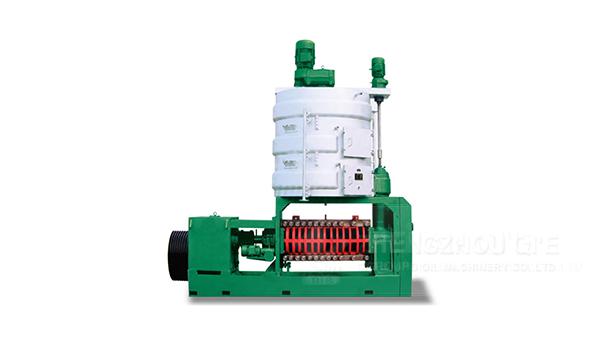
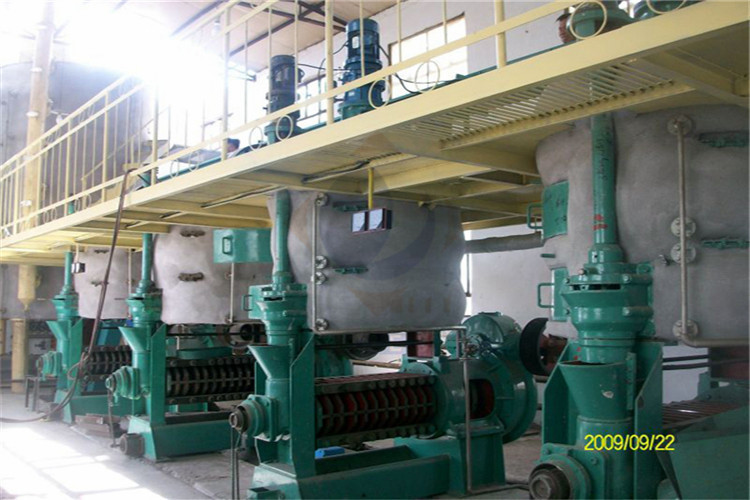
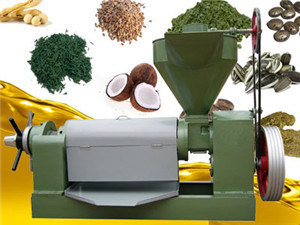
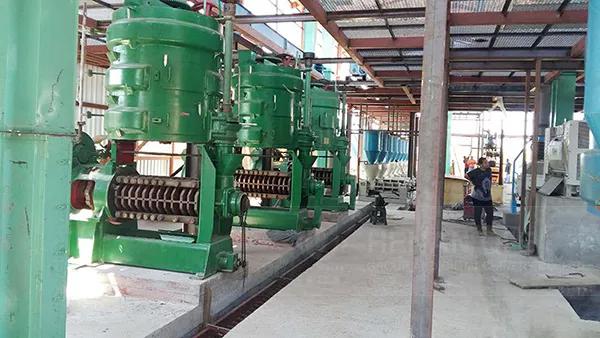
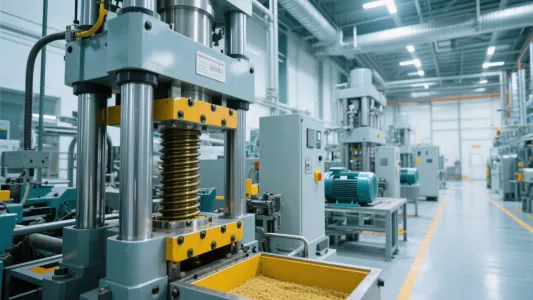
The most competitive plants in 2025 treat “oil extraction rate improvement” as a systems problem—seed handling, conditioning, pressing mechanics, filtration, and hygiene must work together. Multi-functional oil pressing machines are gaining attention because they support multiple feedstocks and are designed for more controllable pressure and temperature profiles.
In many mills, a realistic near-term target is not a “miracle yield jump,” but a 1–3 percentage point improvement in effective oil recovery when conditioning, press settings, and filtration are tuned together. For medium-to-large processors, that can represent a meaningful annual output difference and a faster payback timeline—especially during volatile raw material seasons.
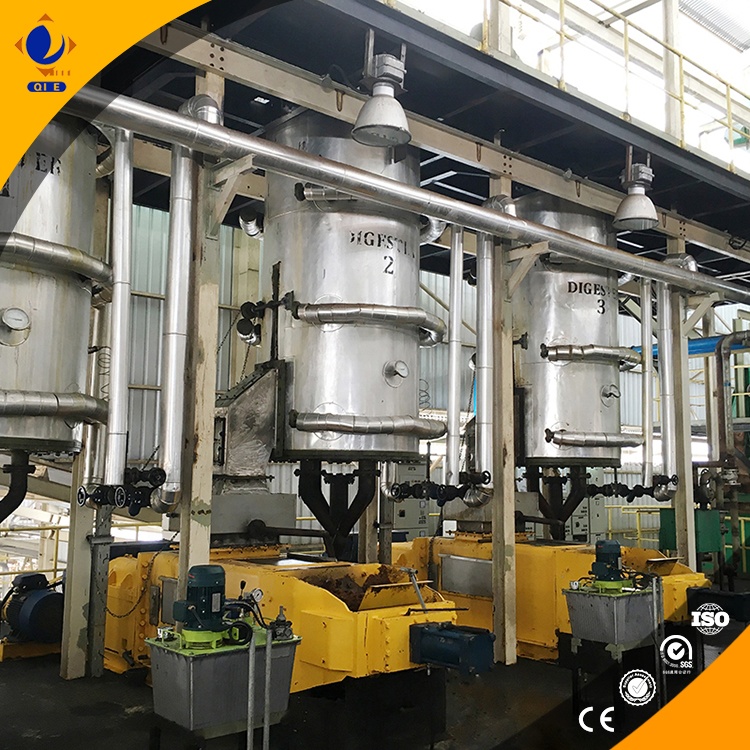
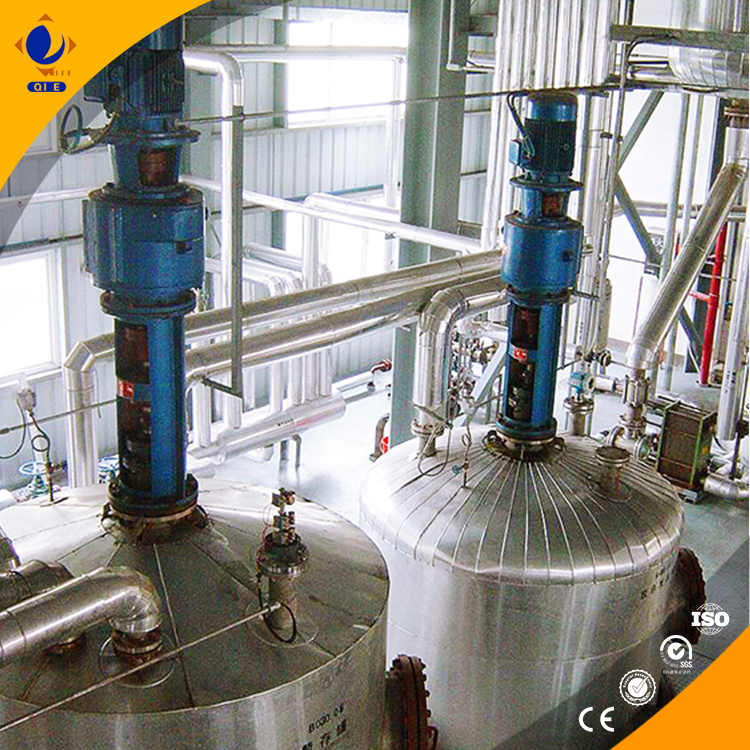
“Healthy” demand does not only mean fatty-acid preferences—it often means fewer off-notes, clearer appearance, longer shelf life, and stronger confidence in food safety. Modern oil refining equipment helps achieve those outcomes by tightening process control in degumming, neutralization, bleaching, and deodorization—while also cutting losses and energy usage.
Improves stability and downstream efficiency; supports clearer oil and smoother deodorization.
Precise dosing and reliable separators reduce neutral oil loss and help maintain consistent specs.
Better filtration architecture improves clarity and reduces particulate carryover.
Stable thermal and vacuum performance supports taste/odor targets and reduces overprocessing risk.
From a sustainability lens, refiners are also looking harder at heat integration, chemical optimization, and by-product recovery. Even modest improvements—like stabilizing process parameters to reduce rework—can translate into measurable reductions in energy per ton and lower wastewater burden.
.jpg)
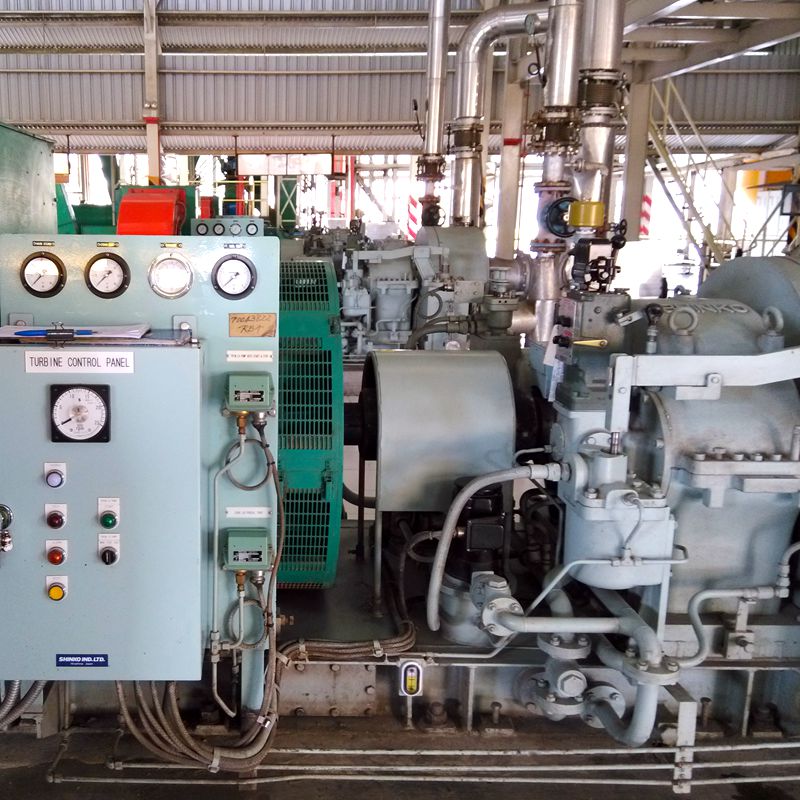
The smartest upgrades in 2025 are not always the largest ones—they are the ones that remove bottlenecks and stabilize quality. Many processors now prioritize instrumentation, repeatability, and operator-friendly control because consistent performance wins contracts.
Importantly, the strongest ROI often comes from aligning equipment with the buyer’s specification. A plant that can document repeatability—through stable parameters, cleaner transfers, and traceable batches—tends to see fewer claims, fewer rejected lots, and more reorders.
Sustainability is increasingly a procurement filter. Food brands and importers want tangible proof: reduced waste, better energy efficiency, and transparent sourcing. For processors, “green” is not just a certification conversation—it is the operational discipline of producing more oil with fewer inputs and fewer incidents.
Modern environmentally friendly oil extraction and refining designs—closed handling, improved filtration, optimized dosing, and energy-smart utilities—can help plants align with stricter standards while improving yield economics. This is a practical path for producers seeking long-term export resilience.
QIE Group supports processors pursuing safer and more efficient vegetable oil production with application-driven equipment configurations—focusing on stable output, hygienic design, and serviceability that helps teams keep performance consistent over time.
Request a tailored recommendation for a multi-functional oil press machine and oil refining equipment setup—based on your raw material, capacity target, and export specification requirements.
Get the Right Industrial Oil Pressing & Refining Solution (Inquiry)Typical discussion points: target oil recovery, hygienic design level, utilities and footprint, automation options, and commissioning support.
Related SEO topics: vegetable oil processing, palm oil market growth, sunflower oil demand, multi-functional oil press, oil refining equipment, food safety compliance, eco-friendly oil extraction, improve oil yield, green manufacturing, industrial oil press machine selection.
 450
|
450
|
 automatic oil press maintenance
oil extraction equipment troubleshooting
pressing process monitoring
small oil plant operations
industrial filtration system care
automatic oil press maintenance
oil extraction equipment troubleshooting
pressing process monitoring
small oil plant operations
industrial filtration system care
 409
|
small palm oil equipment customization
palm oil production line customization
personalized oil pressing equipment
palm oil processing equipment customization
Q Penguin Group palm oil equipment
409
|
small palm oil equipment customization
palm oil production line customization
personalized oil pressing equipment
palm oil processing equipment customization
Q Penguin Group palm oil equipment
 460
|
Peanut Oil Press Machine
Automatic Peanut Oil Press Machine
Soybean Oil Press Machine
Cold Press Peanut Oil Machine
High-Efficiency Oil Extraction Machine
Low Temperature Oil Processing Machine
Multi-Purpose Oil Press Machine
Oil Extraction Equipment for Small Oil Mills
Reliable Oil Press Machine
ISO9001 Certified Oil Press
460
|
Peanut Oil Press Machine
Automatic Peanut Oil Press Machine
Soybean Oil Press Machine
Cold Press Peanut Oil Machine
High-Efficiency Oil Extraction Machine
Low Temperature Oil Processing Machine
Multi-Purpose Oil Press Machine
Oil Extraction Equipment for Small Oil Mills
Reliable Oil Press Machine
ISO9001 Certified Oil Press
 332
|
peanut oil pressing machine technology
fully automated oil extraction equipment efficiency
energy-saving oil extraction solutions
automated peanut oil equipment control
energy-efficient screw oil press technology
332
|
peanut oil pressing machine technology
fully automated oil extraction equipment efficiency
energy-saving oil extraction solutions
automated peanut oil equipment control
energy-efficient screw oil press technology
 355
|
Penguin Group Seed Pretreatment Production Line
customized plant oil production solutions
oilseed processing equipment
355
|
Penguin Group Seed Pretreatment Production Line
customized plant oil production solutions
oilseed processing equipment