.jpg?x-oss-process=image/resize,h_400,m_lfit/format,webp)
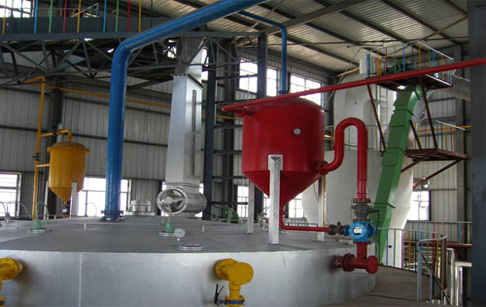
Running a small oil mill that processes multiple types of oilseeds—like soybeans, peanuts, rapeseed, sunflower seeds, and sesame—requires more than just turning the machine on. Each crop has unique physical properties and oil content, which directly affect how your automatic screw press should be configured for optimal extraction efficiency and oil quality.
According to field data from over 150 small-scale mills across Southeast Asia and Africa, adjusting three core parameters can improve yield by up to 18% and reduce downtime by 30%:
For example, one Indonesian oil mill reported a 22% drop in cold-pressed peanut oil clarity when they failed to adjust feed rate after switching from soybeans—a mistake easily avoided with a simple checklist.
A practical workflow used by experienced operators includes:
Always keep a logbook—not digital, but paper-based—for quick troubleshooting. Many operators miss subtle signs like vibration changes or slight odor shifts that precede major failures. A well-maintained log helps prevent costly breakdowns.
These practices aren’t just theory—they’re proven in real-world operations where consistent output and customer satisfaction depend on precision adjustments. Whether you're processing seasonal crops or catering to local demand fluctuations, mastering these variables ensures year-round productivity.
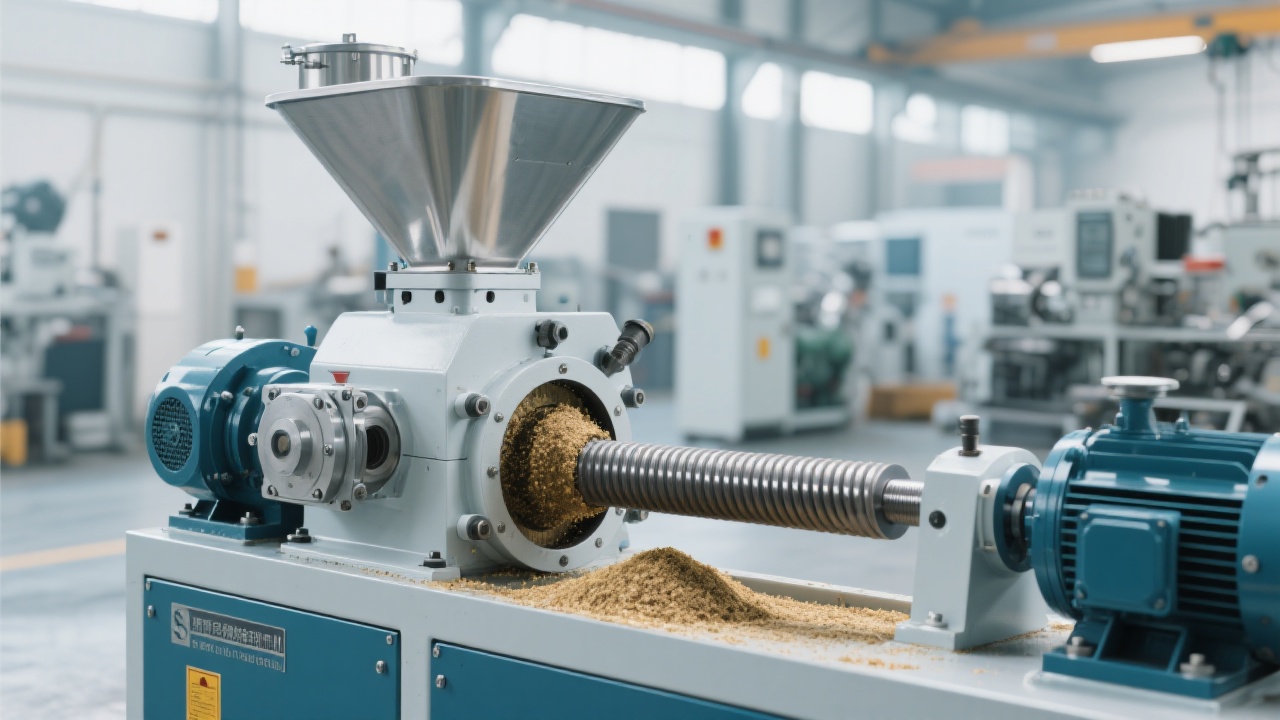
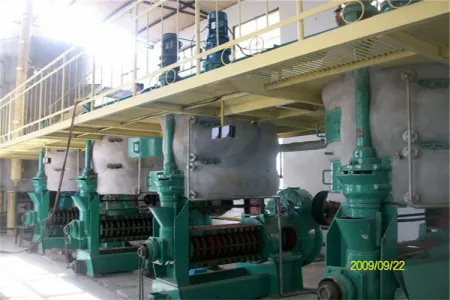
Investing in a multi-feed screw press designed for various oilseeds gives you flexibility, scalability, and long-term cost savings. These machines feature modular components, easy cleaning systems, and smart sensors that monitor torque and temperature—critical for maintaining performance across different crops.
If you’re looking to streamline your production while meeting diverse market demands—from premium cold-pressed oils to bulk commodity grades—our multi-oilseed screw press offers exactly what you need.
Get expert guidance tailored to your specific oilseed mix—and discover how our adjustable cold press system supports seamless transitions between crops.
Explore Our Multi-Oilseed Cold Press Solutions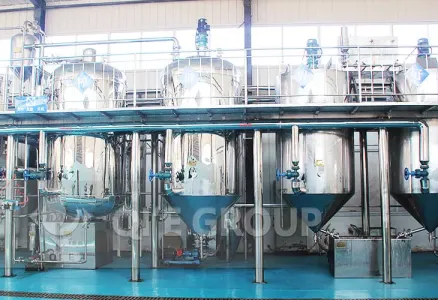
 409
|
409
|
 small palm oil equipment customization
palm oil production line customization
personalized oil pressing equipment
palm oil processing equipment customization
Q Penguin Group palm oil equipment
small palm oil equipment customization
palm oil production line customization
personalized oil pressing equipment
palm oil processing equipment customization
Q Penguin Group palm oil equipment
 432
|
oil press machine operation guide
oilseed oil press maintenance
oil press energy management
fully automatic oil press techniques
small and medium oil mill optimization
432
|
oil press machine operation guide
oilseed oil press maintenance
oil press energy management
fully automatic oil press techniques
small and medium oil mill optimization
 321
|
Peanut Oil Press Machine
Automated Peanut Oil Production
High Yield Peanut Oil Press
Peanut Oil Refining Equipment
Peanut Oil Processing Machine
Cold Press Peanut Oil Equipment
Hot Press Peanut Oil Production
ISO9001 Peanut Oil Machine
QIE Group Peanut Oil Press
321
|
Peanut Oil Press Machine
Automated Peanut Oil Production
High Yield Peanut Oil Press
Peanut Oil Refining Equipment
Peanut Oil Processing Machine
Cold Press Peanut Oil Equipment
Hot Press Peanut Oil Production
ISO9001 Peanut Oil Machine
QIE Group Peanut Oil Press
 166
|
oil press machine selection
energy-efficient oil press
small oil processing equipment
multi-functional oil expeller
oilseed processing efficiency
166
|
oil press machine selection
energy-efficient oil press
small oil processing equipment
multi-functional oil expeller
oilseed processing efficiency
 376
|
Peanut Oil Press Machine
Multi-Functional Peanut Oil Refining Equipment
High-Efficiency Oil Processing Equipment
ISO Certified Peanut Oil Refiner
Eco-Friendly Peanut Oil Press Machine
Advanced Peanut Oil Refining Technology
Peanut Oil Processing Solutions
Small Scale Peanut Oil Refining
Industrial Peanut Oil Refining Equipment
376
|
Peanut Oil Press Machine
Multi-Functional Peanut Oil Refining Equipment
High-Efficiency Oil Processing Equipment
ISO Certified Peanut Oil Refiner
Eco-Friendly Peanut Oil Press Machine
Advanced Peanut Oil Refining Technology
Peanut Oil Processing Solutions
Small Scale Peanut Oil Refining
Industrial Peanut Oil Refining Equipment