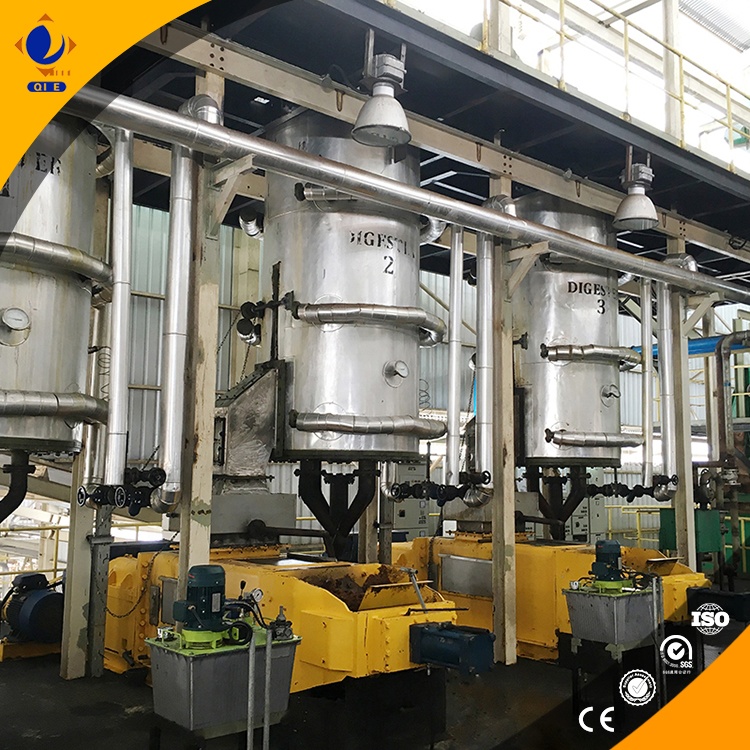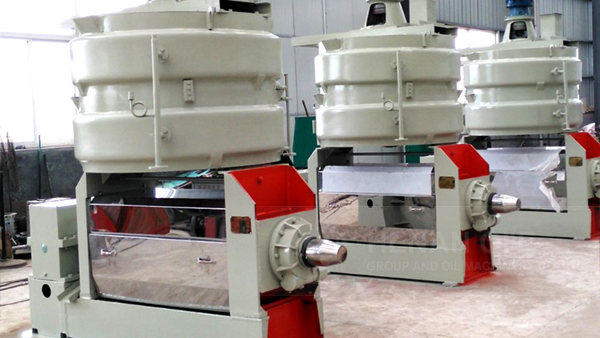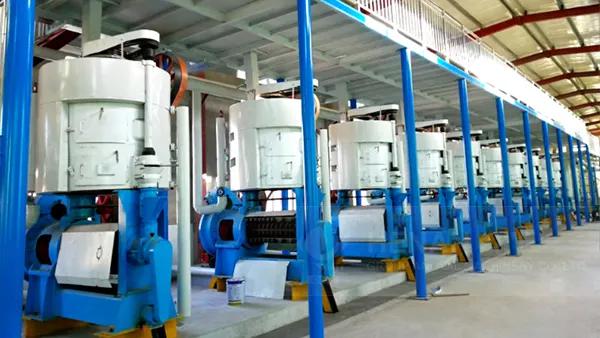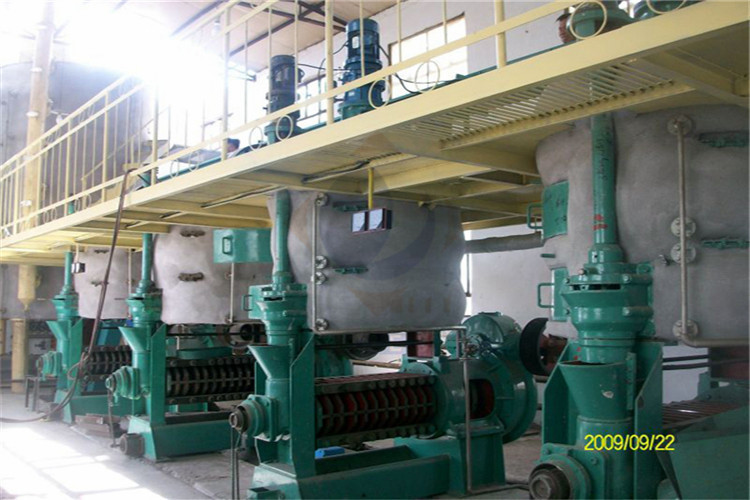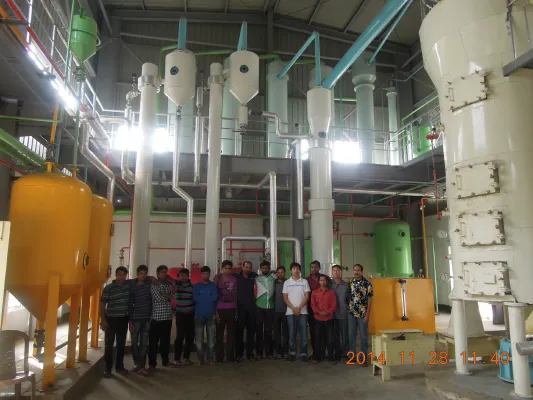
Running a small-to-medium oil production facility? You know how critical it is to balance yield, consistency, and uptime. That’s where the QIE Group全自动多功能榨油机 comes in—not just as equipment, but as your partner in daily operations.
Before turning on the machine, always check for debris, secure all bolts, and verify power supply stability (ideally within ±5% of nominal voltage). According to our data from over 1,200 installations globally, 43% of early operational issues stem from improper startup procedures—avoid this by following the step-by-step checklist:
| Step | Action | Why It Matters |
|---|---|---|
| 1 | Verify motor rotation direction | Prevents mechanical stress and premature wear |
| 2 | Set hydraulic pressure to 12–15 MPa | Optimizes oil extraction without damaging seeds |
| 3 | Run idle cycle for 5 minutes | Ensures smooth lubrication and thermal equilibrium |
Our clients report an average 12–18% increase in oil yield when parameters are fine-tuned based on raw material type (e.g., soybeans vs. sunflower seeds). For instance:
The real-time monitoring system alerts you to pressure drops (>10% deviation), temperature spikes, or flow irregularities—critical for maintaining purity and avoiding batch rejection. In fact, users who actively monitor these metrics see up to 30% fewer quality complaints from buyers.
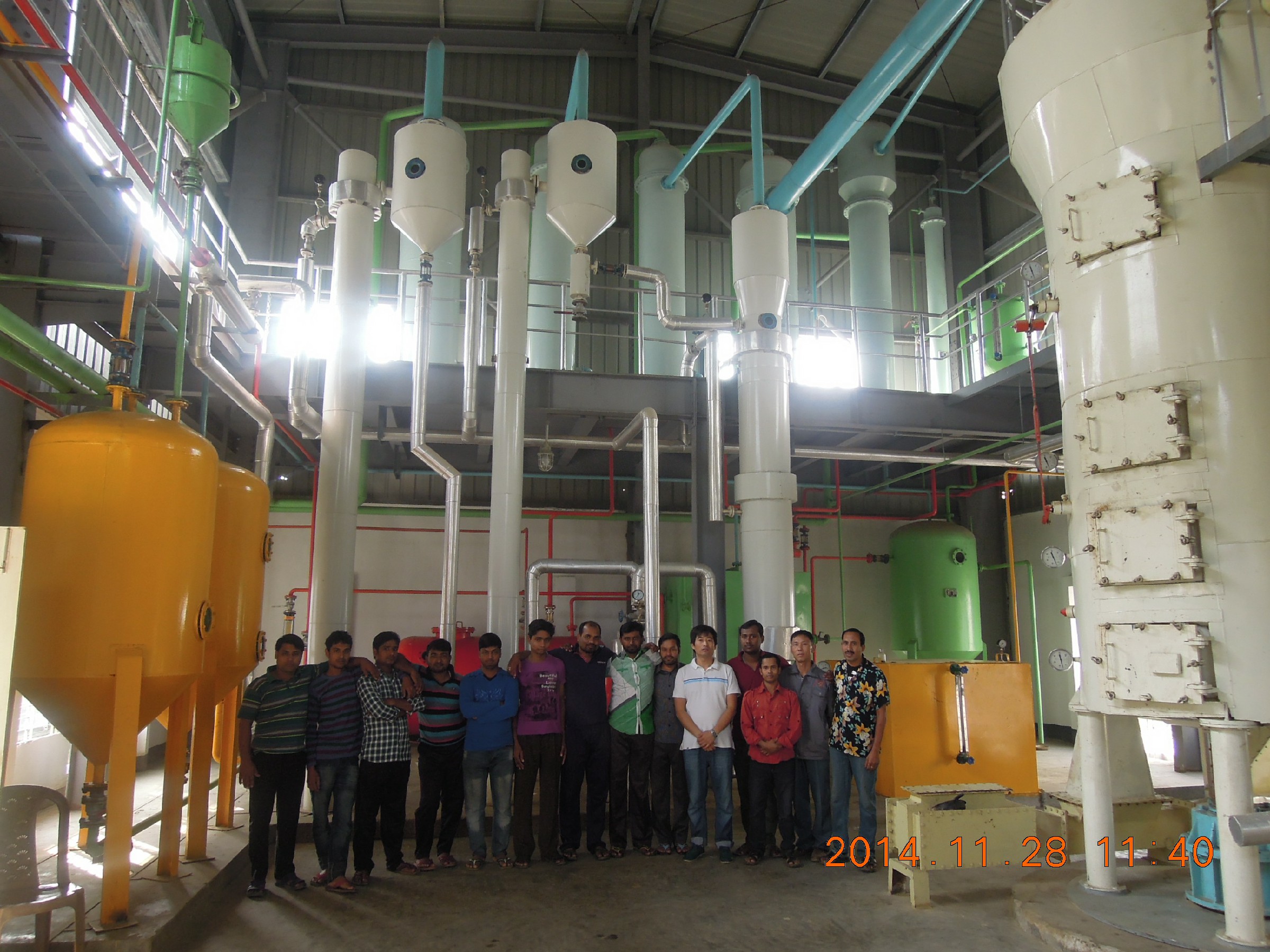
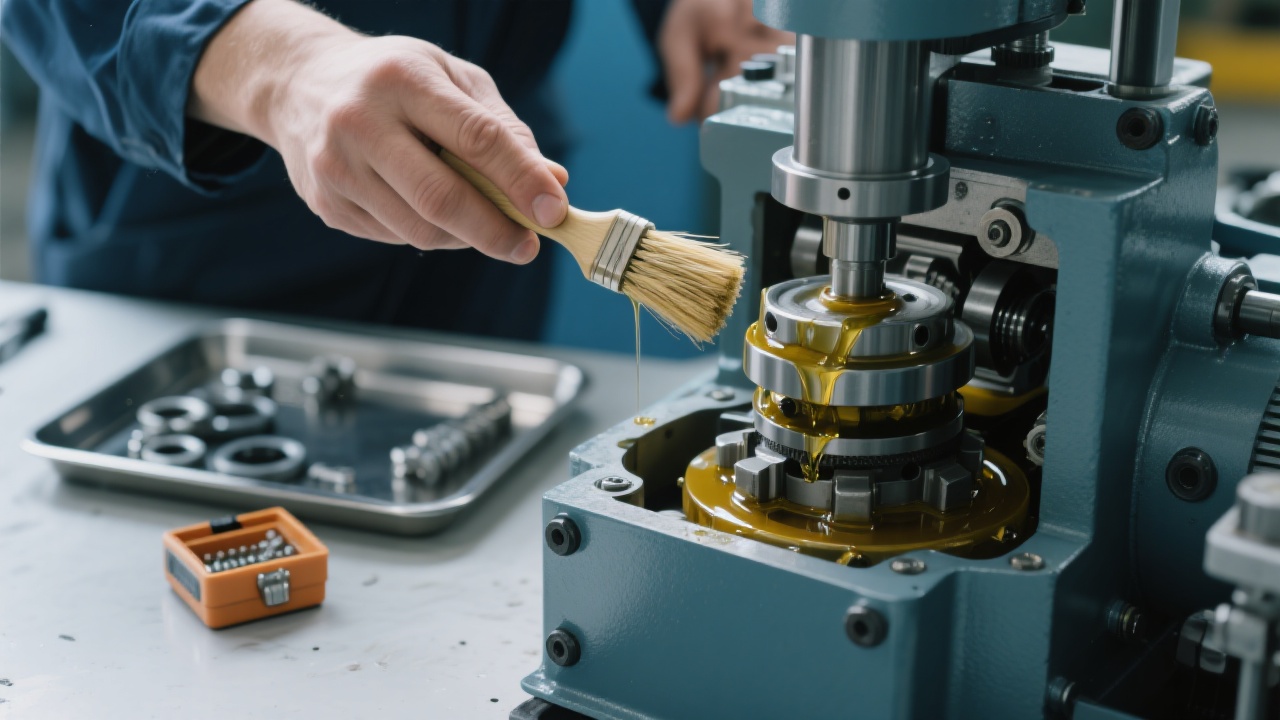
Even minor neglect leads to costly repairs. Create a simple maintenance log with these must-do tasks:
Here’s what we see most often—and how to fix it fast:
Still have questions? Whether it’s about setting up your first press or optimizing throughput for export markets, our team is ready to help. We’ve supported over 200+ facilities across Asia, Africa, and Latin America—with real-world results that speak louder than specs.
Get Your Free Setup Guide + Live Demo AccessRemember: great oil starts not just with good seeds—but with smart operation. Let us show you how to make every minute count.
 167
|
167
|
 intelligent peanut oil press
low energy consumption oil press
high-efficiency peanut oil production
peanut oil extraction equipment
energy-saving oil press machine
intelligent peanut oil press
low energy consumption oil press
high-efficiency peanut oil production
peanut oil extraction equipment
energy-saving oil press machine
 140
|
multifunctional peanut oil refining equipment
food safety compliant peanut oil refining machinery
versatile peanut oil processing equipment
140
|
multifunctional peanut oil refining equipment
food safety compliant peanut oil refining machinery
versatile peanut oil processing equipment
 437
|
multi-functional peanut oil refining equipment
refining devices for small oil mills
equipment for expanding foreign trade markets
437
|
multi-functional peanut oil refining equipment
refining devices for small oil mills
equipment for expanding foreign trade markets
 145
|
Peanut Oil Press Machine
Peanut Oil Production Line
Automatic Peanut Oil Press
High Efficiency Peanut Oil Extraction
Peanut Oil Processing Equipment
Industrial Peanut Oil Machine
Cold Press Peanut Oil Press
Hot Press Peanut Oil Production
Peanut Oil Manufacturing Technology
145
|
Peanut Oil Press Machine
Peanut Oil Production Line
Automatic Peanut Oil Press
High Efficiency Peanut Oil Extraction
Peanut Oil Processing Equipment
Industrial Peanut Oil Machine
Cold Press Peanut Oil Press
Hot Press Peanut Oil Production
Peanut Oil Manufacturing Technology
 190
|
Fully automatic oil press operation guide
Oil press maintenance skills
Equipment management for small and medium-sized oil enterprises
Oil press usage tutorial
Oil press common problem solutions
190
|
Fully automatic oil press operation guide
Oil press maintenance skills
Equipment management for small and medium-sized oil enterprises
Oil press usage tutorial
Oil press common problem solutions