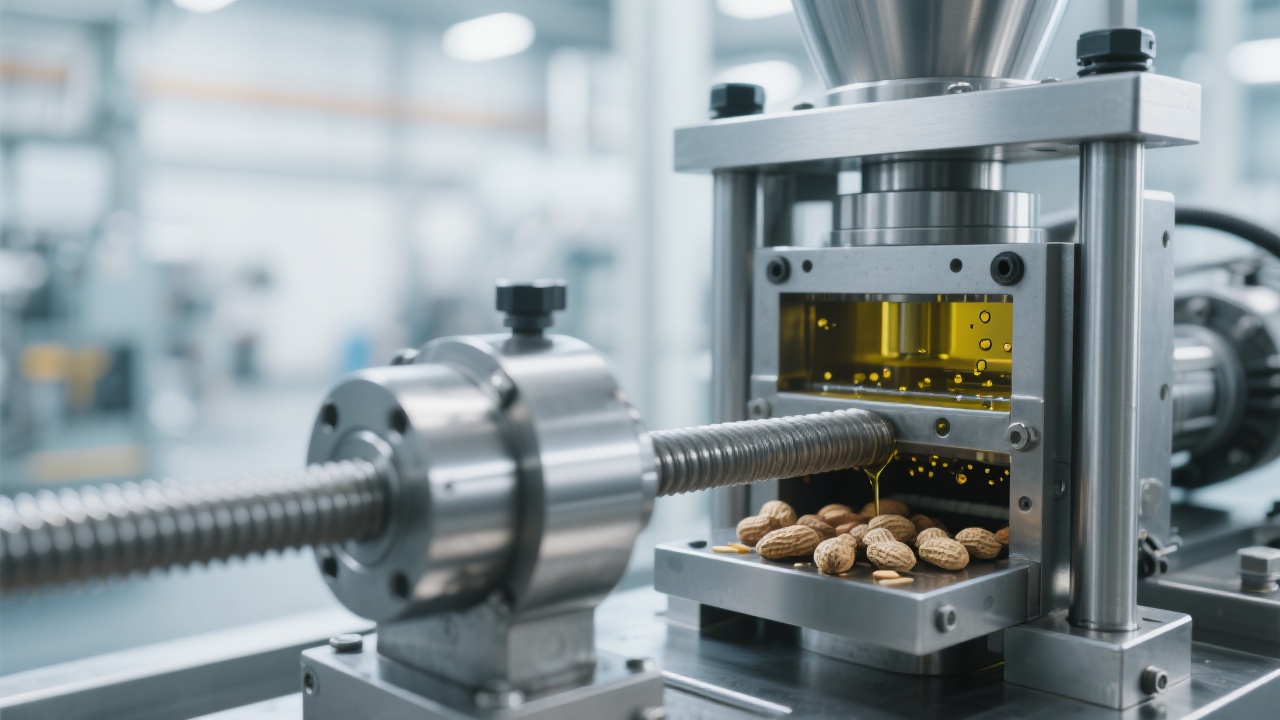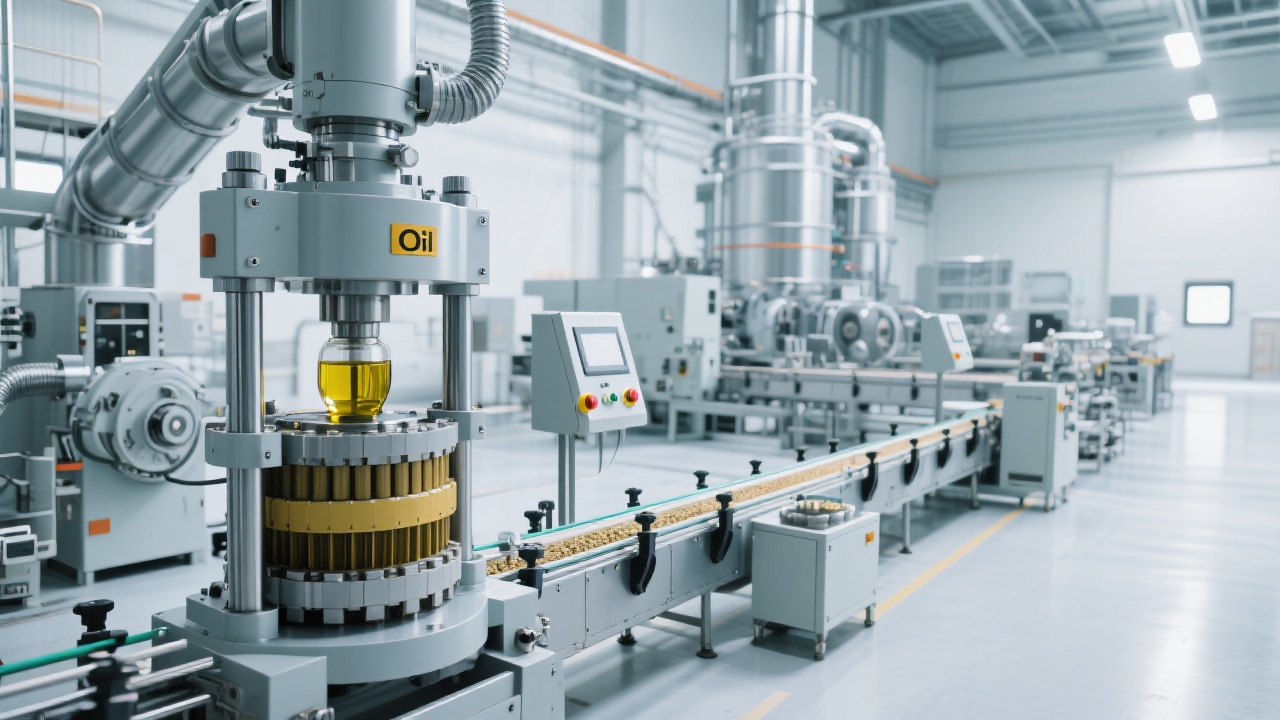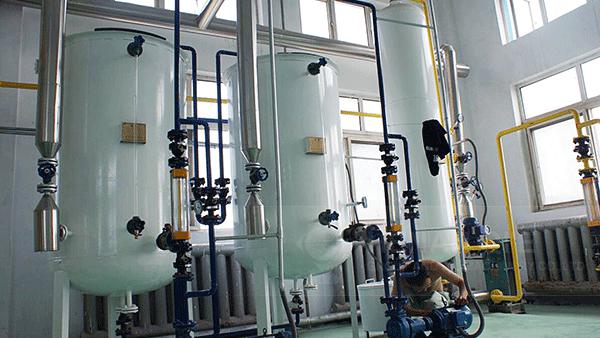
In the rapidly evolving oilseed processing industry, small and medium-sized enterprises (SMEs) face the critical challenge of selecting oil press equipment that maximizes production efficiency without escalating operational costs. Leveraging advancements in technology and data-driven decision-making can empower enterprises to strike an optimal balance between performance and cost, ensuring competitive production sustainability.
The foundation of informed equipment choice lies in understanding four pivotal factors:
| Criteria | Impact on Production | Performance Indicator |
|---|---|---|
| Pressing Efficiency | Directly affects oil yield and raw material utilization. | ≥ 95% oil extraction rate recommended for SMEs. |
| Energy Consumption | Influences operational costs and carbon footprint. | Less than 0.5 kWh/kg of pressed oil is ideal. |
| Ease of Operation | Reduces labor intensity; minimizes training time and errors. | User-friendly interfaces with minimal manual adjustments. |
| Versatility & Material Compatibility | Ability to process multiple oilseed types; future proofs investment. | Supports at least 4+ oilseed varieties such as soybean, sunflower, rapeseed, and peanut. |
Recent innovations in oil pressing technologies have paved the way for multi-functional automatic oil press machines, which combine high-precision mechanical pressure systems with modern control units. These technologies notably:
These advancements are indispensable for SMEs aiming to scale operations without proportionally increasing costs.

Balancing equipment investment and operational cost requires a multi-dimensional strategy:
Businesses leveraging data-driven decision support tools have reported optimized equipment selections that improve net profit margins by 8–15%, illustrating the tangible impact of this strategy.
.jpg)
Beyond equipment specifications, reliable supplier service networks significantly affect long-term operational stability. SMEs should prioritize vendors who provide:
These aspects are indispensable for SMEs with limited technical staff, ensuring consistent production quality and reduced risk of costly interruptions.
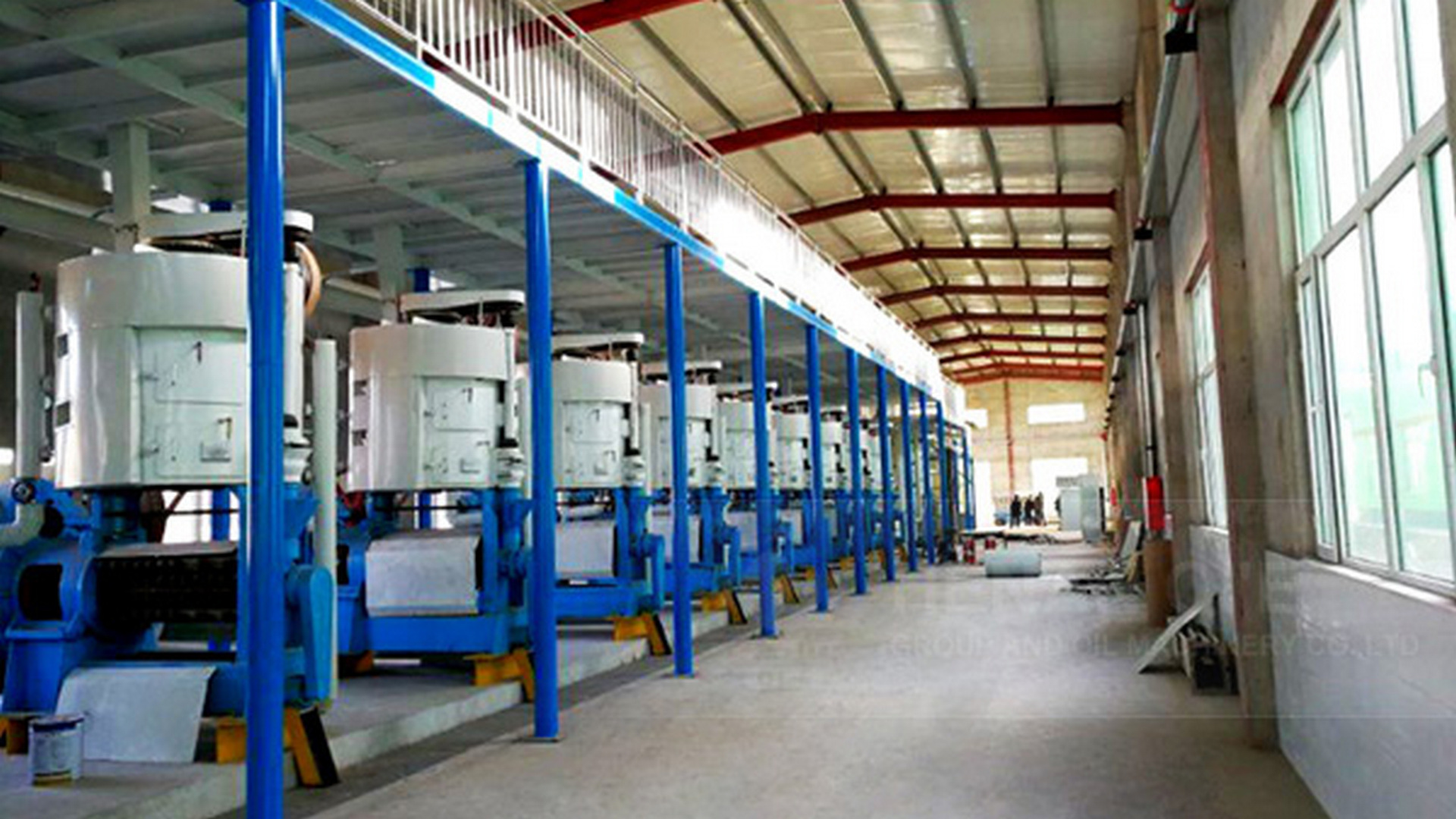
QIE Group’s latest fully automatic multi-functional oil press machines embody the emerging best practices highlighted above, delivering tailored solutions optimized for SMEs. With superior pressing efficiency surpassing 96%, energy consumption below 0.45 kWh/kg, and support for multiple oilseed types, these machines present an unmatched value proposition.
What sets QIE Group apart is its unwavering commitment to comprehensive after-sales support, including:
Such synergy between high-performance machinery and service excellence empowers SMEs to streamline production workflows, reduce operating costs, and enhance product quality with confidence.

 223
|
223
|
 Peanut Oil Press Machine
Automated Peanut Oil Production
High Capacity Peanut Oil Machine
Peanut Oil Production Line
Eco-Friendly Peanut Oil Processing
ISO9001 Peanut Oil Equipment
Advanced Peanut Oil Extraction Technology
Peanut Oil Machine for Food Processing
Energy Efficient Peanut Oil Production
Peanut Oil Press Machine
Automated Peanut Oil Production
High Capacity Peanut Oil Machine
Peanut Oil Production Line
Eco-Friendly Peanut Oil Processing
ISO9001 Peanut Oil Equipment
Advanced Peanut Oil Extraction Technology
Peanut Oil Machine for Food Processing
Energy Efficient Peanut Oil Production
 390
|
small peanut oil production line installation
automated peanut oil press setup
peanut oil processing equipment foundation preparation
oil extraction automation integration
efficient oil press installation checklist
390
|
small peanut oil production line installation
automated peanut oil press setup
peanut oil processing equipment foundation preparation
oil extraction automation integration
efficient oil press installation checklist
 155
|
multi-functional peanut oil refining equipment
food safety compliant peanut oil refining solutions
small-scale oil mill refining technology
155
|
multi-functional peanut oil refining equipment
food safety compliant peanut oil refining solutions
small-scale oil mill refining technology
 194
|
Automatic oil press operation guide
Oil press maintenance method
Equipment usage skills for small and medium - sized oil mills
Explanation of oil press pressing process
Key points of regular oil press maintenance
194
|
Automatic oil press operation guide
Oil press maintenance method
Equipment usage skills for small and medium - sized oil mills
Explanation of oil press pressing process
Key points of regular oil press maintenance
 380
|
palm oil refining equipment
automated palm oil processing
high productivity palm oil machine
energy-efficient palm oil refining
customized palm oil equipment
ISO9001 certified palm oil machine
advanced palm oil refining solutions
environmentally friendly palm oil processing
palm oil production automation
380
|
palm oil refining equipment
automated palm oil processing
high productivity palm oil machine
energy-efficient palm oil refining
customized palm oil equipment
ISO9001 certified palm oil machine
advanced palm oil refining solutions
environmentally friendly palm oil processing
palm oil production automation