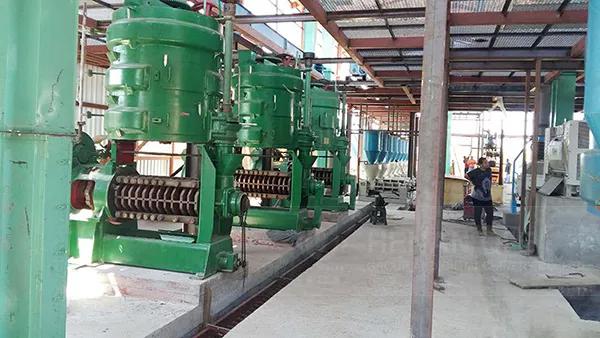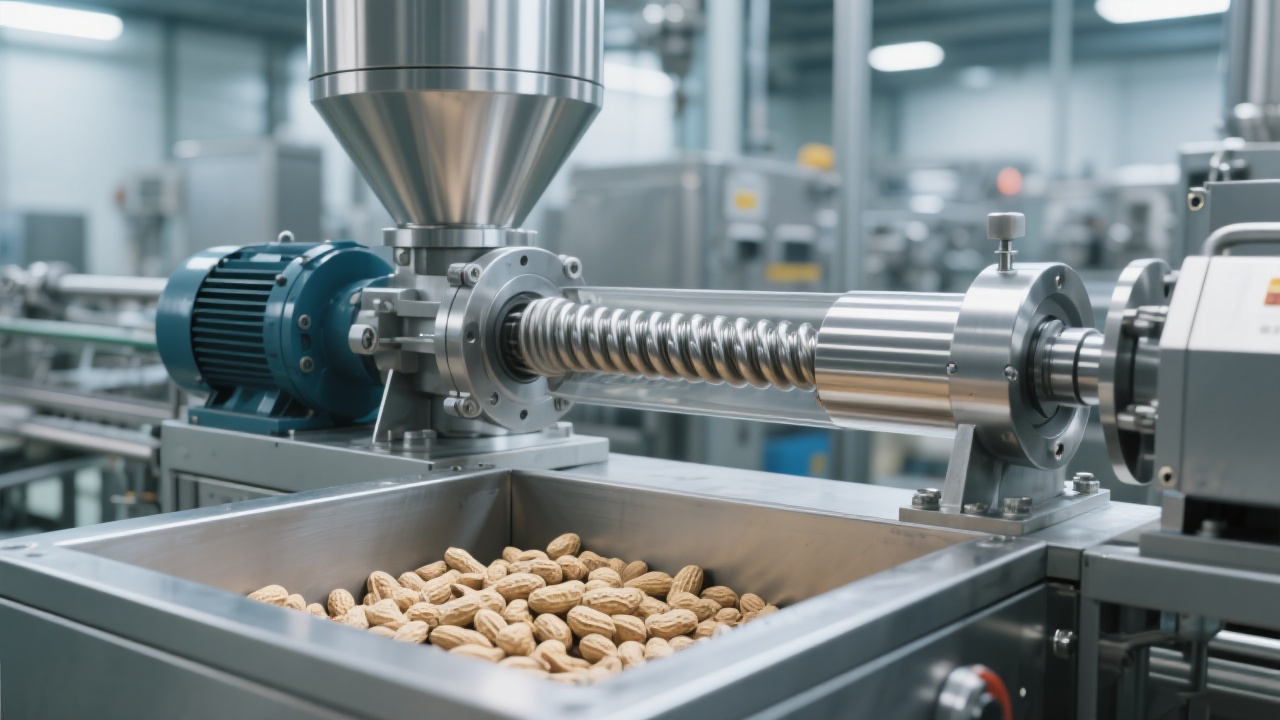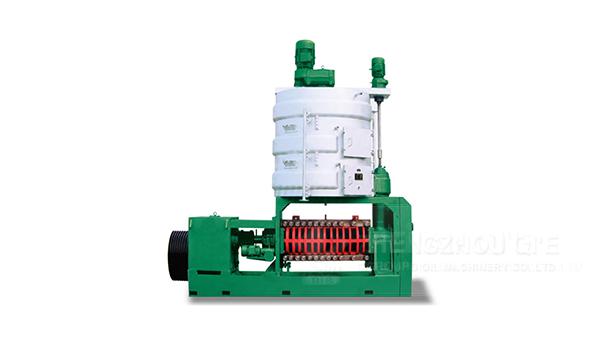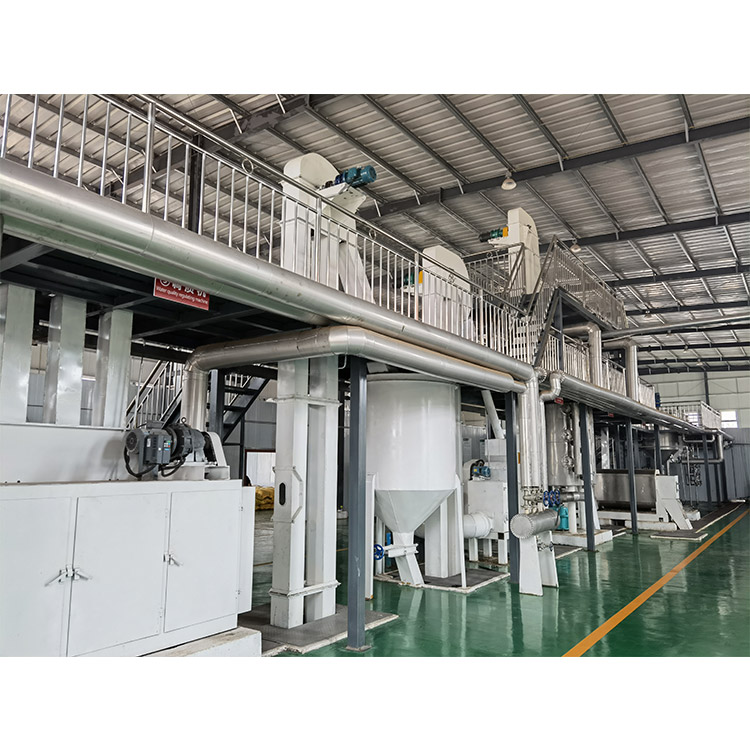
In the realm of vegetable oil production, optimizing the pressing process is crucial for achieving high - quality oil with maximum efficiency. This article delves deep into the key parameter regulation and operation process optimization techniques in the vegetable oil pressing industry, offering practical insights for small and medium - sized oil production enterprises.
Different oil crops, such as soybeans, peanuts, and palm, have distinct physical properties during the pressing process. These differences significantly impact the equipment parameters. For example, soybeans have a relatively soft texture, while peanuts are harder. Palm fruits contain a large amount of fibrous material. These physical characteristics determine the appropriate temperature, pressure, and feeding speed settings for the pressing equipment.

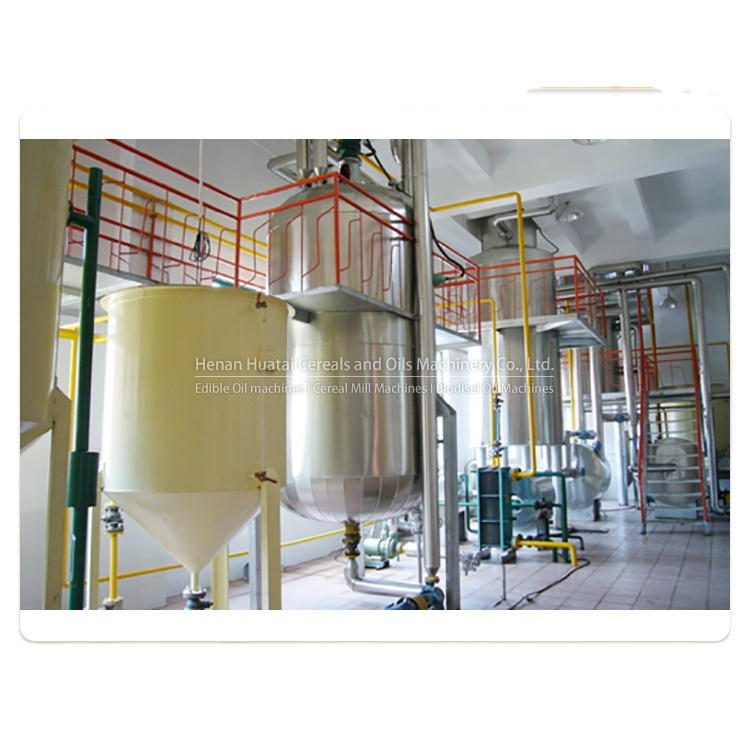
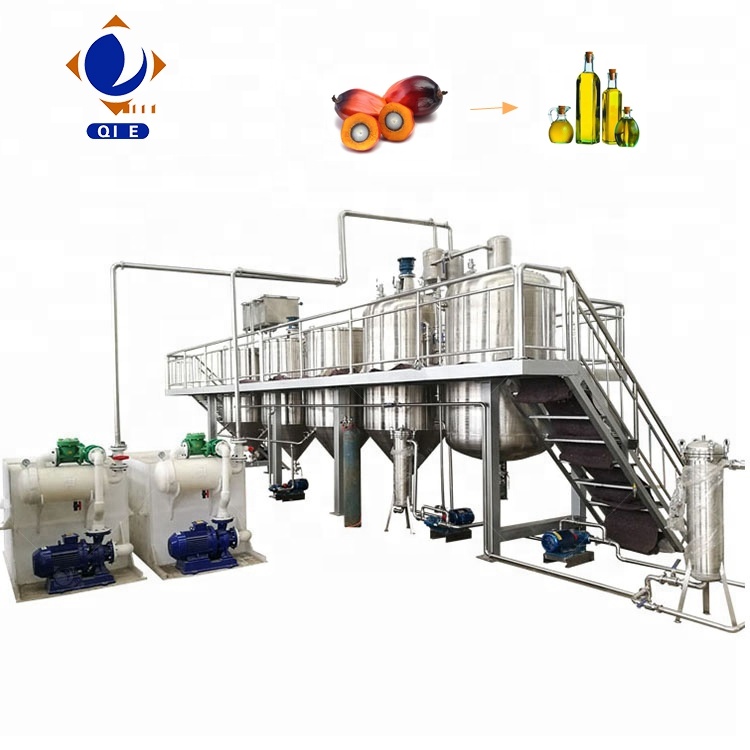
The combination of mechanical pressing and physical filtration is a key technology in the vegetable oil production process. Mechanical pressing extracts oil from the raw materials, while physical filtration removes impurities. The system integration of these two processes is essential for ensuring the quality of the oil. By coordinating the mechanical force and the filtration efficiency, the purity and nutritional value of the oil can be effectively maintained.
The technical principle behind this synergy lies in the fact that mechanical pressing breaks the cell walls of the oil - bearing materials, releasing the oil. Physical filtration then separates the oil from the solid residues and other impurities. This integrated approach not only improves the oil quality but also enhances the overall production efficiency.
To optimize the vegetable oil pressing process, quantifiable operation strategies are necessary. Here are some practical tips:
Real - world customer cases can provide strong evidence of the effectiveness of these optimization techniques. For instance, a small - to - medium - sized oil factory using the oil press from QIE Group increased its oil extraction rate by 28%. This case shows that by accurately controlling the equipment parameters, significant improvements in oil extraction rate can be achieved.
"After implementing the parameter adjustment strategies recommended in this article, our oil extraction rate has increased significantly. We are very satisfied with the results and look forward to further cooperation." - A customer from a small oil factory.
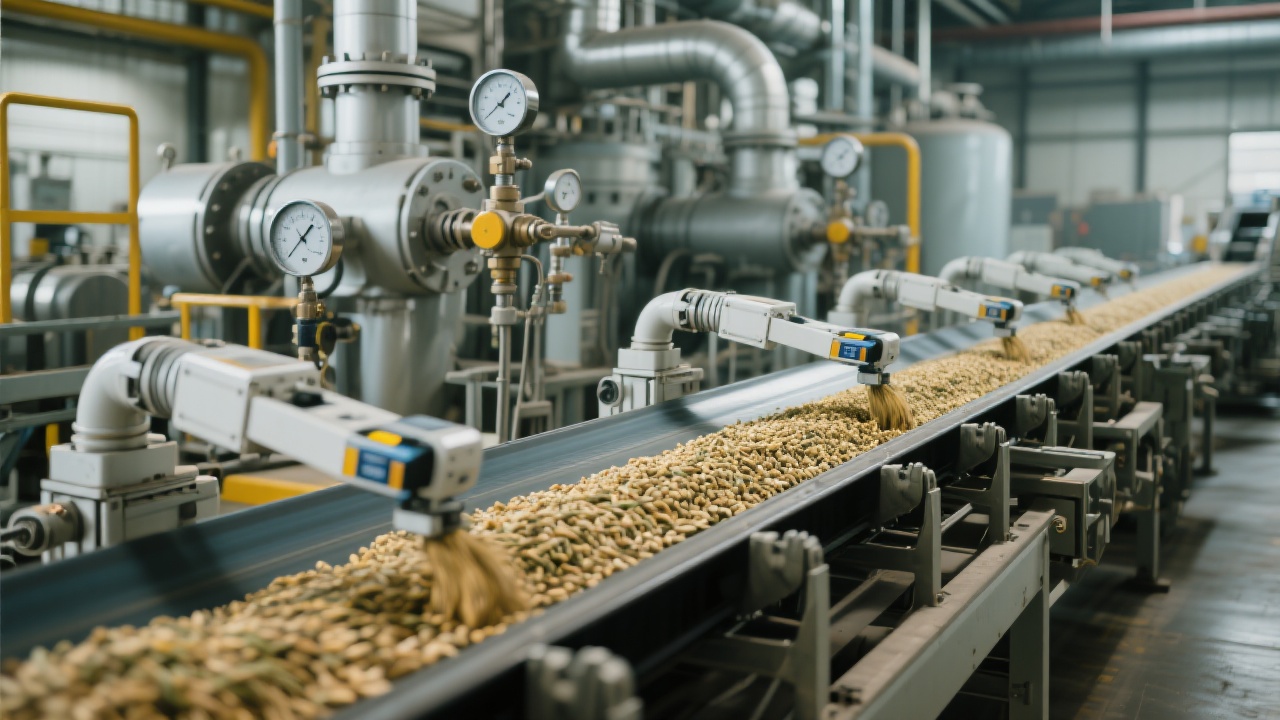
A standard operating procedure (SOP) is essential for ensuring the consistency and efficiency of the vegetable oil pressing process. A well - designed SOP can help operators quickly understand and follow the correct steps. By using a flowchart, the SOP can be presented in a clear and intuitive way, making it easier for users to implement.
In conclusion, by understanding the physical properties of different oil crops, optimizing the synergy between mechanical pressing and physical filtration, implementing quantifiable operation strategies, and following a standard operating procedure, small and medium - sized oil production enterprises can significantly improve their oil extraction rate, reduce energy consumption, and produce high - quality oil. If you want to learn more about these techniques, download the free PDF version of the 'Oil Press Parameter Adjustment Manual' now.
 32
|
32
|
 multi-function peanut oil refining equipment
peanut oil press machine
high-efficiency peanut oil processing
peanut oil refining technology
environmentally friendly oil refining machine
ISO certified peanut oil equipment
energy-saving peanut oil refining solutions
advanced peanut oil processing machinery
peanut oil purification unit
premium quality peanut oil production
multi-function peanut oil refining equipment
peanut oil press machine
high-efficiency peanut oil processing
peanut oil refining technology
environmentally friendly oil refining machine
ISO certified peanut oil equipment
energy-saving peanut oil refining solutions
advanced peanut oil processing machinery
peanut oil purification unit
premium quality peanut oil production
 310
|
low energy peanut oil press
intelligent pressing equipment
peanut oil production efficiency
oil processing equipment
energy-saving oil press
310
|
low energy peanut oil press
intelligent pressing equipment
peanut oil production efficiency
oil processing equipment
energy-saving oil press
.jpg?x-oss-process=image/resize,h_300,m_lfit/format,webp) 331
|
High Efficiency Corn Germ Oil Press Machine
Commercial Corn Germ Oil Press Machine
Advanced Corn Germ Oil Press Machine
Smart Temperature Control Corn Germ Oil Press
Eco-Friendly Corn Germ Oil Press Machine
Multi-Functional Corn Germ Oil Press
Corn Germ Oil Extractor Machine
High Yield Corn Germ Oil Press Equipment
Corn Oil Processing Press Machine
331
|
High Efficiency Corn Germ Oil Press Machine
Commercial Corn Germ Oil Press Machine
Advanced Corn Germ Oil Press Machine
Smart Temperature Control Corn Germ Oil Press
Eco-Friendly Corn Germ Oil Press Machine
Multi-Functional Corn Germ Oil Press
Corn Germ Oil Extractor Machine
High Yield Corn Germ Oil Press Equipment
Corn Oil Processing Press Machine
 390
|
small peanut oil production line installation
automated peanut oil press setup
peanut oil processing equipment foundation preparation
oil extraction automation integration
efficient oil press installation checklist
390
|
small peanut oil production line installation
automated peanut oil press setup
peanut oil processing equipment foundation preparation
oil extraction automation integration
efficient oil press installation checklist
 480
|
Low Energy Peanut Oil Press Machine
Peanut Oil Press Machine for High Efficiency
Eco-Friendly Peanut Oil Extraction Machine
Smart Control Peanut Oil Press Equipment
High Yield Peanut Oil Press Machine
Low Consumption Peanut Oil Extraction Device
Peanut Oil Press Machine for Small Enterprises
Advanced Peanut Oil Press Technology
Peanut Oil Production Machine for Emerging Markets
480
|
Low Energy Peanut Oil Press Machine
Peanut Oil Press Machine for High Efficiency
Eco-Friendly Peanut Oil Extraction Machine
Smart Control Peanut Oil Press Equipment
High Yield Peanut Oil Press Machine
Low Consumption Peanut Oil Extraction Device
Peanut Oil Press Machine for Small Enterprises
Advanced Peanut Oil Press Technology
Peanut Oil Production Machine for Emerging Markets