
In the competitive world of edible oil production, small-scale processors often struggle to balance cost, quality, and consistency. But one Nigerian peanut oil facility recently transformed its operations—thanks to a strategic choice in equipment. Their success story isn’t just inspiring—it’s replicable.
According to industry data from the International Food Policy Research Institute (IFPRI), small oil mills that adopt automated presses see up to 40% higher throughput compared to manual or semi-automated setups. The key? Consistent temperature control, reduced labor dependency, and fewer process interruptions.
| Capacity Range | Recommended Model | Estimated ROI Period |
|---|---|---|
| 100–300 kg/h | PPO-200A | 8–12 months |
| 300–600 kg/h | PPO-500B | 10–14 months |
The Nigerian plant started with a modest 150 kg/h output goal. After evaluating several models, they chose the PPO-200A—an entry-level fully automatic press with integrated heating, filtration, and oil separation systems. What made it stand out? Energy efficiency: only 3.5 kW per hour versus older models using 6–8 kW.
Installation wasn’t flawless at first. They skipped proper foundation leveling—a common mistake among new users—and faced vibration issues during startup. Once corrected, however, the machine ran smoothly for over 1,200 hours straight without major maintenance.
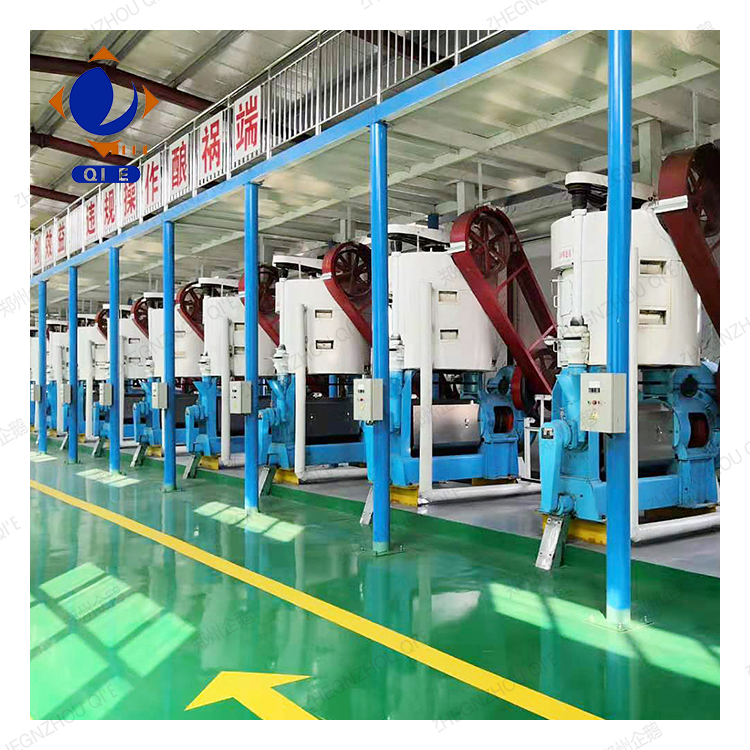
Post-installation, the team followed a 30-day testing protocol including load cycles, temperature checks, and pressure calibration. This helped them identify minor leaks early—something many buyers overlook until it's too late.
Common issues like clogged filters or inconsistent oil flow were resolved within 2 hours using our remote support portal. Over 70% of clients report similar quick fixes when guided by clear documentation—a win for both uptime and confidence.
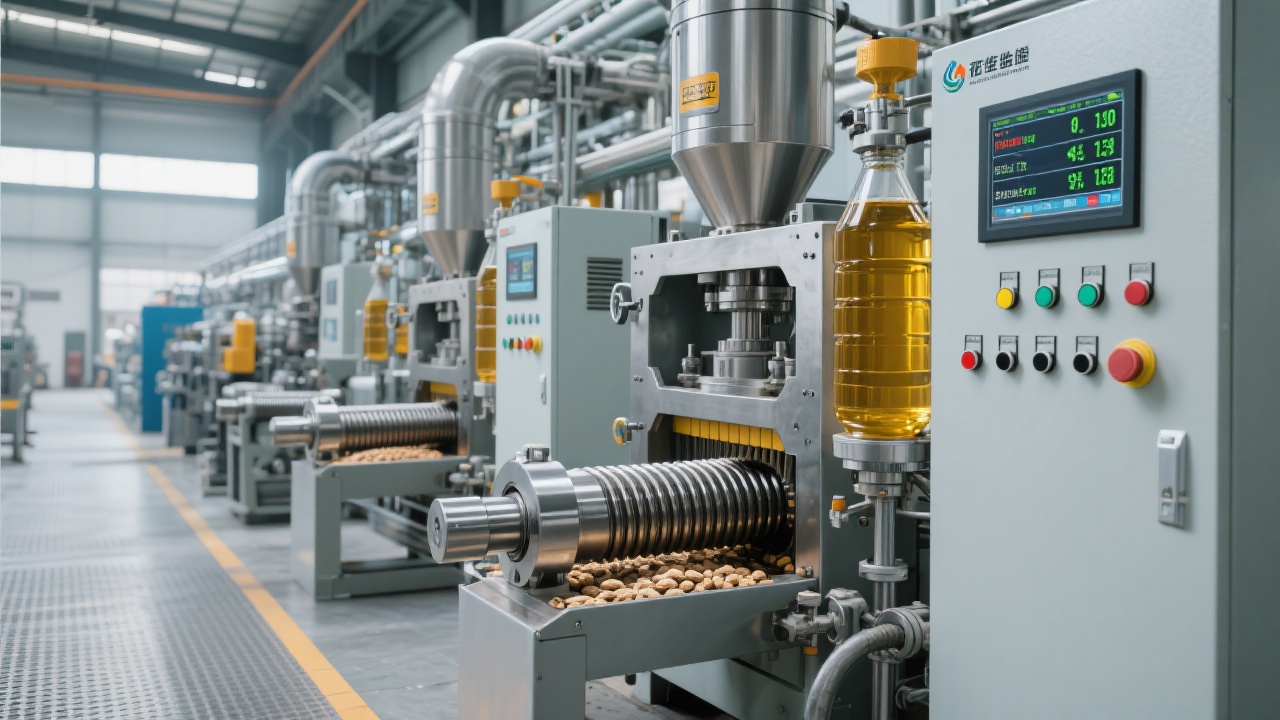
“We now produce 180 liters of premium peanut oil daily,” says Ahmed Musa, owner of the Nigerian mill. “Before automation, we barely hit 100 liters—and had to hire three extra workers just to keep the press running.”
This case proves that even small players can compete globally if they start smart—with the right tools, training, and mindset.





