
Running a small or medium-scale oil plant means every hour counts—and so does your equipment’s reliability. If you’re using an automatic multi-functional oil press machine, understanding how to operate it correctly and maintain it proactively can boost your extraction rate by up to 15% while cutting downtime by over 40%. This guide walks you through the full lifecycle—from startup to daily care—with real-world tips that actually work.
Before turning on the machine, always check oil levels, filter cleanliness, and motor voltage stability. According to industry benchmarks, 68% of early failures stem from improper initial setup—not wear and tear. Set pressure at 8–12 MPa depending on feedstock (e.g., soybeans vs. sunflower seeds), and ensure temperature remains between 70–90°C for optimal yield without damaging fatty acids.
| Parameter | Recommended Range | Why It Matters |
|---|---|---|
| Pressure | 8–12 MPa | Too low = poor extraction; too high = clogged filters |
| Temperature | 70–90°C | Preserves quality and prevents oxidation |
Monitor vibration levels hourly during operation—excessive shaking often indicates bearing wear or misalignment. In our case studies, companies that logged these metrics saw a 30% reduction in unexpected shutdowns within three months. Also, inspect the screw conveyor every 8 hours—it’s the most common point of blockage when processing oily residues like sesame cake.
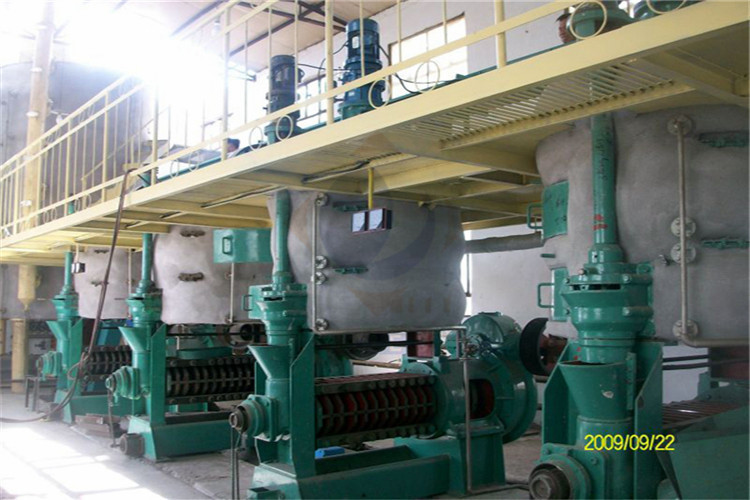
Pro tip: Keep a maintenance logbook—not just for compliance, but for spotting patterns. One Indonesian miller reduced annual repair costs by $2,300 after tracking lubrication intervals and adjusting them based on usage cycles.
Want to go deeper? Download our free operational checklist—it includes a printable PDF version of this guide plus a QR code linking to video tutorials.





