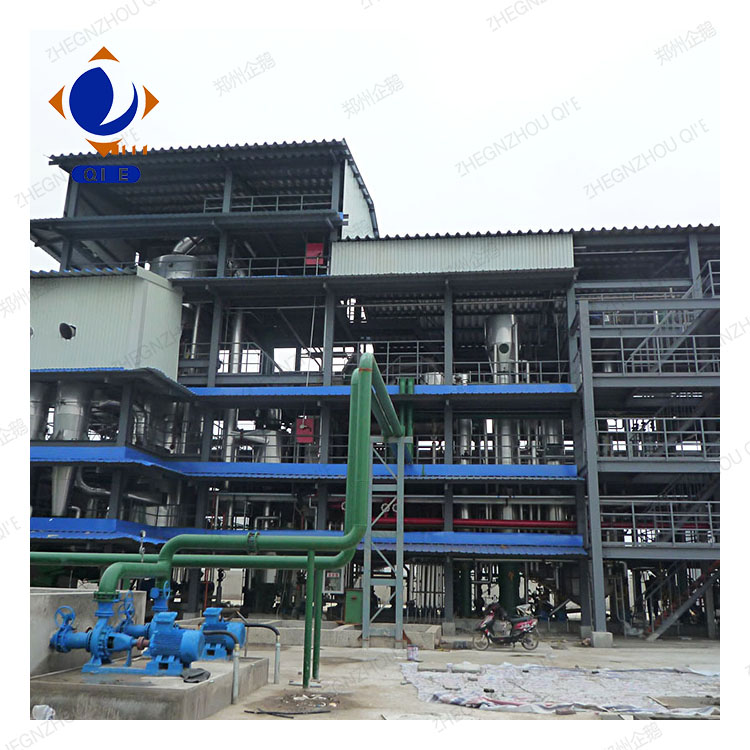
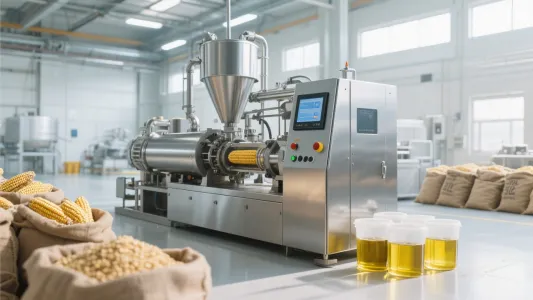
When it comes to producing corn germ oil for export, the choice between cold-pressing and hot-pressing processes can significantly impact the value of your products. Let's delve into the core differences between these two technologies and understand how they can affect your production line.
The fundamental differences between cold-pressed and hot-pressed corn germ oil can be understood from the perspectives of nutritional components, color, aroma, and oxidative stability. Cold-pressed oil retains more nutrients, such as vitamin E and unsaturated fatty acids, due to the lower processing temperature. It also has a lighter color, a more delicate aroma, and better oxidative stability. In contrast, hot-pressed oil has a higher oil yield but may lose some of its nutritional value during the high-temperature process.
For example, in the European and American markets, where consumers have a preference for high-end edible oils, cold-pressed corn germ oil is more popular. On the other hand, in some Asian markets, hot-pressed oil may be more in demand due to its stronger aroma. Our research shows that in the European market, the demand for cold-pressed corn germ oil has been increasing at a rate of 10% per year in the past five years.
The intelligent temperature control system plays a crucial role in the cold-pressing process. It can maintain a stable low temperature during the pressing, ensuring the maximum retention of nutrients. In hot-pressing, precise temperature control is also essential to avoid overheating and oxidation of the oil. Our cold-pressed and hot-pressed dual-mode intelligent temperature control system can effectively solve these problems, ensuring the quality of your oil.
To increase the oil yield, you need to optimize the pressing parameters, including pressure range setting, determination of material moisture content, and control of pressing time. Generally, for cold-pressing, the pressure should be set between 20-30 MPa, the moisture content of the material should be around 8%-12%, and the pressing time should be about 30-60 minutes. For hot-pressing, the pressure can be slightly higher, around 30-40 MPa, the moisture content should be around 6%-10%, and the pressing time can be reduced to 20-40 minutes.
For small-scale production lines, you can flexibly configure the equipment according to your production needs. For example, you can use a small-scale press with adjustable pressure and temperature. In contrast, large-scale automated production lines should follow standard processes to ensure high efficiency and stability. We recommend referring to a temperature control curve chart to better adjust the pressing parameters (Suggestion: Use a temperature control curve chart for illustration).
Common mistakes in the pressing process, such as incorrect temperature setting, can lead to oil oxidation and reduced oil quality. If the temperature is too high, the oil may turn dark and have a bad smell. To correct these mistakes, you need to adjust the temperature in time and clean the equipment regularly. Our pressing machines support intelligent temperature control adjustment, which can help you avoid these problems and improve the oil yield by 15%-25%.
How can you quickly determine whether the raw materials are suitable for cold-pressing or hot-pressing? One practical method is to check the moisture content and oil content of the raw materials. If the moisture content is high and the oil content is low, cold-pressing may be a better choice. If the moisture content is low and the oil content is high, hot-pressing may be more suitable.
Regular equipment maintenance and temperature control calibration are essential to ensure the long-term stable operation of your production line. You should clean the pressing machine regularly, check the seals, and replace the worn parts in time. Our after-sales service team can provide you with professional maintenance guidance and support.
Let's look at a successful case. An export-oriented grain and oil enterprise improved the oil qualification rate by 20% through process adjustment. They adopted our intelligent temperature control system and optimized the pressing parameters, which significantly improved the quality and yield of their corn germ oil.
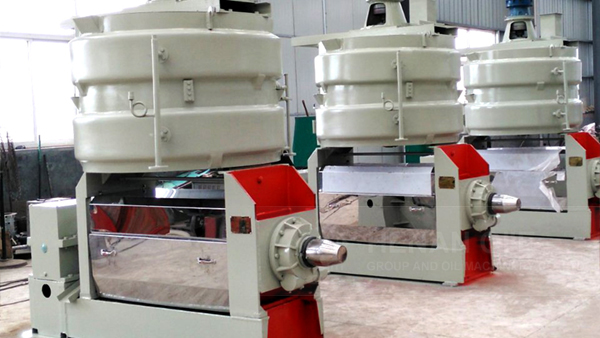
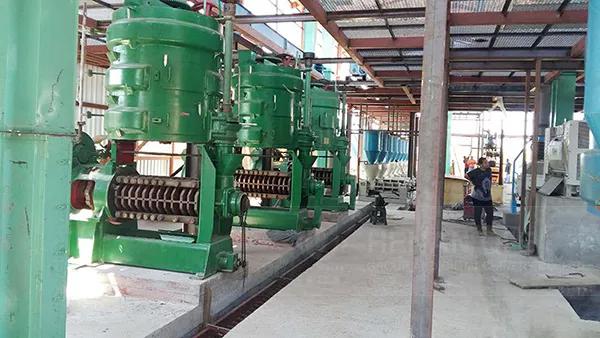
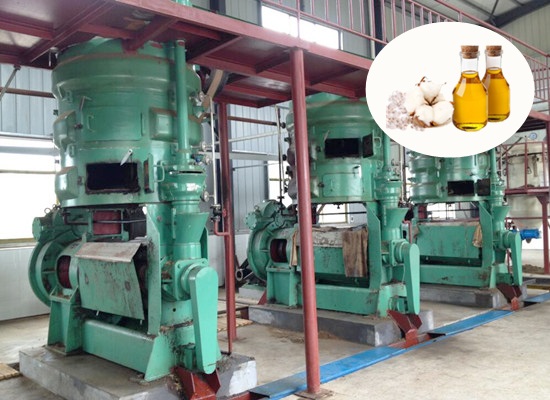
Our press supports intelligent temperature control adjustment and is suitable for both cold-pressing and hot-pressing dual modes, which can help you solve various problems in the production process and ensure the stable operation of your production line.
Now, we have a question for you: What are the main challenges you face in the production of corn germ oil? Leave your comments below and let's discuss together!
 342
|
342
|
 Peanut Oil Press Machine
High-Efficiency Automatic Oil Press Machine
Automatic Oil Production Line
Plant Oil Processing Equipment
Sustainable Oil Extraction Machinery
High Yield Oil Press
Low Energy Consumption Oil Machine
Oil Extraction Equipment for Soybean
Palm Oil Processing Equipment
Multifunctional Oil Press Machine
Peanut Oil Press Machine
High-Efficiency Automatic Oil Press Machine
Automatic Oil Production Line
Plant Oil Processing Equipment
Sustainable Oil Extraction Machinery
High Yield Oil Press
Low Energy Consumption Oil Machine
Oil Extraction Equipment for Soybean
Palm Oil Processing Equipment
Multifunctional Oil Press Machine
 260
|
corn germ oil pressing efficiency
intelligent temperature control system
physical pressing process
oil yield optimization
grain and oil processing equipment
260
|
corn germ oil pressing efficiency
intelligent temperature control system
physical pressing process
oil yield optimization
grain and oil processing equipment
 169
|
intelligent peanut oil press
low energy consumption oil press
high-efficiency peanut oil production
peanut oil extraction equipment
energy-saving oil press machine
169
|
intelligent peanut oil press
low energy consumption oil press
high-efficiency peanut oil production
peanut oil extraction equipment
energy-saving oil press machine
 374
|
energy-efficient
peanut oil press machine
advanced technology
eco-friendly
intelligent control
ISO 9001:2000
oil yield
after-sales support
competitive advantage
374
|
energy-efficient
peanut oil press machine
advanced technology
eco-friendly
intelligent control
ISO 9001:2000
oil yield
after-sales support
competitive advantage
 169
|
Peanut Oil Press Machine
Multifunctional Oil Press Equipment
High Efficiency Oil Extraction
Oil Refining Equipment
Eco-friendly Oil Production
Quality Assurance Oil Press
Custom Oil Press Solutions
Internationally Recognized Oil Equipment
Edible Oil Processing Machines
169
|
Peanut Oil Press Machine
Multifunctional Oil Press Equipment
High Efficiency Oil Extraction
Oil Refining Equipment
Eco-friendly Oil Production
Quality Assurance Oil Press
Custom Oil Press Solutions
Internationally Recognized Oil Equipment
Edible Oil Processing Machines