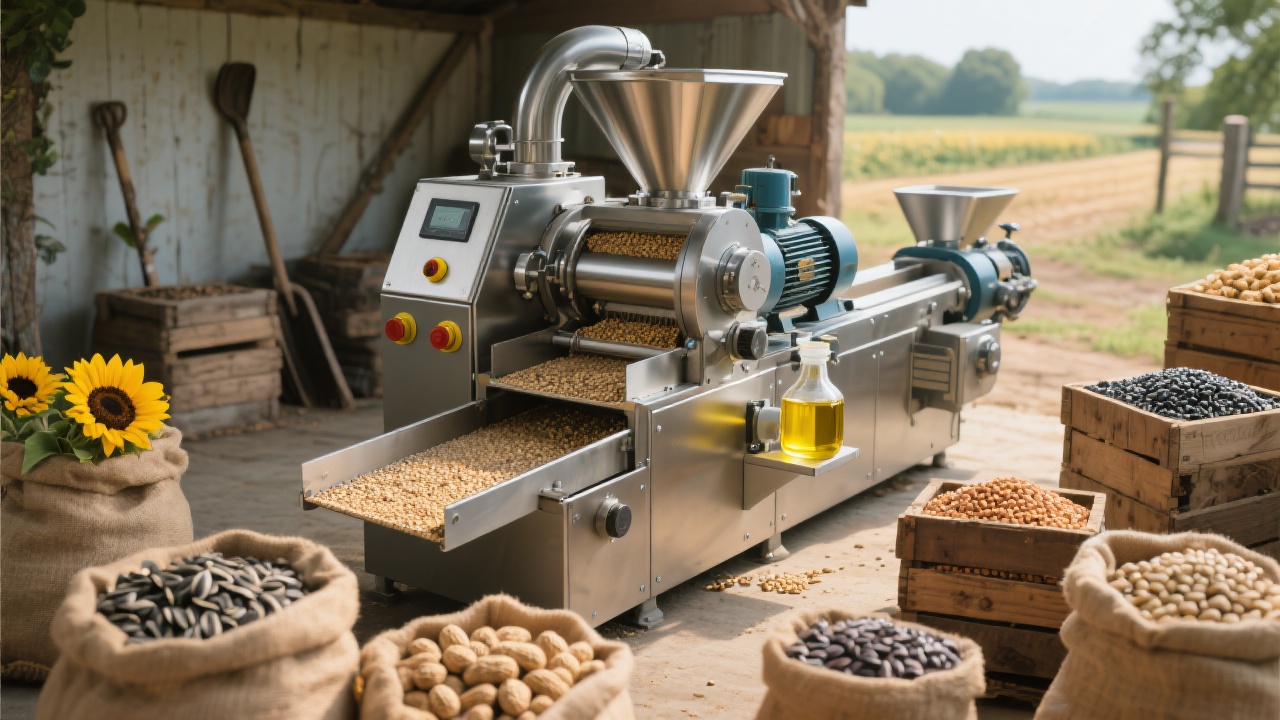
When it comes to corn germ oil extraction, you may often encounter issues like dark - colored oil and excessive impurities, which can significantly impact the quality of the final product and the profitability of your business. In this article, we'll delve into these common production pain points and present comprehensive solutions from raw material handling to optimizing pressing parameters, leveraging the advantages of intelligent temperature control systems and physical pressing processes.
One of the main reasons for dark - colored oil is temperature mismanagement. If the temperature during the pressing process gets out of control, it can lead to oxidation reactions, causing the oil to darken and nutrients to be lost. Another factor is the uneven moisture content of the raw materials. When the moisture in the corn germ varies widely, it can result in inconsistent pressing and an increase in impurities.
Intelligent temperature control systems are a game - changer in corn germ oil pressing. They can precisely adjust the temperature in different environments, preventing nutrient loss and oxidation reactions. For example, in a hot and humid environment, the system can automatically lower the temperature to a safe range, ensuring the quality of the oil. The system's logic is based on real - time monitoring of various factors such as ambient temperature, raw material temperature, and moisture content, providing accurate temperature regulation.
To achieve both high oil yield and good oil quality, it's crucial to control the pressing pressure and time. Our research and practical experience suggest that a pressing pressure range of 3 - 5 MPa is ideal for most corn germ oil pressing scenarios. The pressing time should be between 30 - 60 minutes, depending on the type of raw materials and the pressing equipment. By adhering to these parameters, you can ensure that the oil meets the purity and quality standards.
According to our front - line engineers, quickly assessing the suitability of the raw materials for pressing is a key skill. They recommend checking the color, smell, and texture of the corn germ. If the germ has a fresh smell, a bright color, and a certain degree of hardness, it is more likely to produce high - quality oil. Additionally, they suggest using a simple moisture - testing tool to measure the moisture content of the raw materials before pressing.
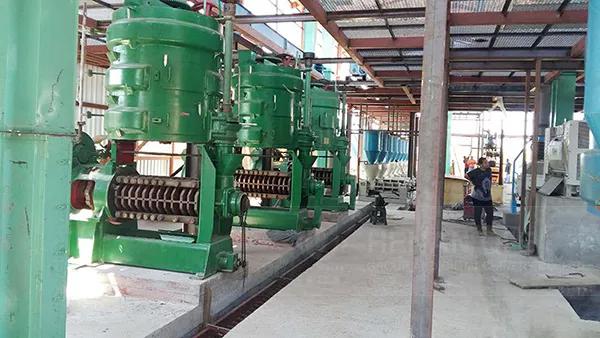
Whether you operate a small - scale workshop or a large - scale production line, there are specific solutions for you. Small - scale operations may benefit more from the flexibility of equipment, which can be easily adjusted according to different batches of raw materials. On the other hand, large - scale production lines can take advantage of the high - capacity and automation features of the equipment. The intelligent temperature control system can be configured to adapt to different production scales, maximizing the value of the equipment.
Let's take a look at some common mistakes in the pressing process. For instance, using too high a temperature at the beginning of pressing can cause the oil to darken quickly. The corrective measure is to start with a lower temperature and gradually increase it as the pressing progresses. Another mistake is neglecting to clean the pressing equipment regularly, which can lead to an increase in impurities. Regular cleaning and maintenance of the equipment are essential to ensure the quality of the oil.
Are you struggling with corn germ oil pressing issues? Our team of experts has compiled detailed operation guides and practical tips for you. Whether you're aiming to improve oil purity, increase oil yield, or enhance production efficiency, we have the solutions. Don't miss out on the opportunity to make the most of your equipment. Click here to access our official technical documents and consult our customer service for more in - depth information and personalized advice.
 169
|
169
|
 intelligent peanut oil press
low energy consumption oil press
high-efficiency peanut oil production
peanut oil extraction equipment
energy-saving oil press machine
intelligent peanut oil press
low energy consumption oil press
high-efficiency peanut oil production
peanut oil extraction equipment
energy-saving oil press machine
 289
|
seed preprocessing technology for vegetable oil
efficient oilseed processing solutions
innovative vegetable oil extraction systems
289
|
seed preprocessing technology for vegetable oil
efficient oilseed processing solutions
innovative vegetable oil extraction systems
 218
|
Peanut oil quality control
International standard peanut oil
Green production pressing process
Fully automatic peanut oil press
Environmental regulations for oil processing
218
|
Peanut oil quality control
International standard peanut oil
Green production pressing process
Fully automatic peanut oil press
Environmental regulations for oil processing
 317
|
automated peanut oil press machine
green oil production process
peanut oil quality control
international food safety standards
energy-efficient oil extraction equipment
317
|
automated peanut oil press machine
green oil production process
peanut oil quality control
international food safety standards
energy-efficient oil extraction equipment
 163
|
Peanut Oil Press Machine
multi-functional peanut oil refining equipment
high-efficiency peanut oil press
ISO certified peanut oil machine
eco-friendly peanut oil refining systems
peanut oil production equipment
industrial peanut oil refining solutions
small-scale peanut oil processing equipment
peanut oil extraction technology
163
|
Peanut Oil Press Machine
multi-functional peanut oil refining equipment
high-efficiency peanut oil press
ISO certified peanut oil machine
eco-friendly peanut oil refining systems
peanut oil production equipment
industrial peanut oil refining solutions
small-scale peanut oil processing equipment
peanut oil extraction technology








.jpg)