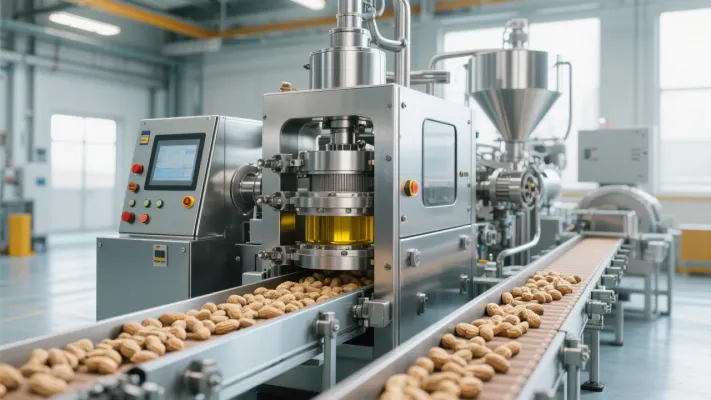
In the realm of peanut oil production, the automatic peanut oil press is a cornerstone of efficiency and productivity. However, like any sophisticated machinery, it can encounter operational glitches that may disrupt your production line. This troubleshooting guide is designed to equip you with the knowledge and practical steps to identify, analyze, and resolve common issues, ensuring your equipment runs smoothly and your investment yields maximum returns.
The automatic peanut oil press can exhibit various operational anomalies, each with a direct impact on your production capacity. For instance, a low oil yield can significantly reduce your output, while an overheating motor may lead to unexpected shutdowns. A leaking hydraulic system not only compromises the machine's performance but also poses safety risks. These issues can cause substantial downtime, affecting your bottom line.

| Fault Type | Impact on Production |
|---|---|
| Low oil yield | Reduces output by up to 30% |
| Motor overheating | Can cause unplanned downtime of 1 - 2 hours per incident |
| Hydraulic system leakage | Decreases machine efficiency by 20 - 25% |
Understanding the root causes of these faults is crucial for effective troubleshooting. Mechanical wear and tear are inevitable over time, especially in components that are subject to high stress. A misjudgment in the control system can lead to incorrect operation, affecting the entire production process. High moisture content in the raw materials can also cause problems, such as clogging and reduced oil extraction efficiency. Insufficient lubrication can increase friction, leading to overheating and premature wear of parts.
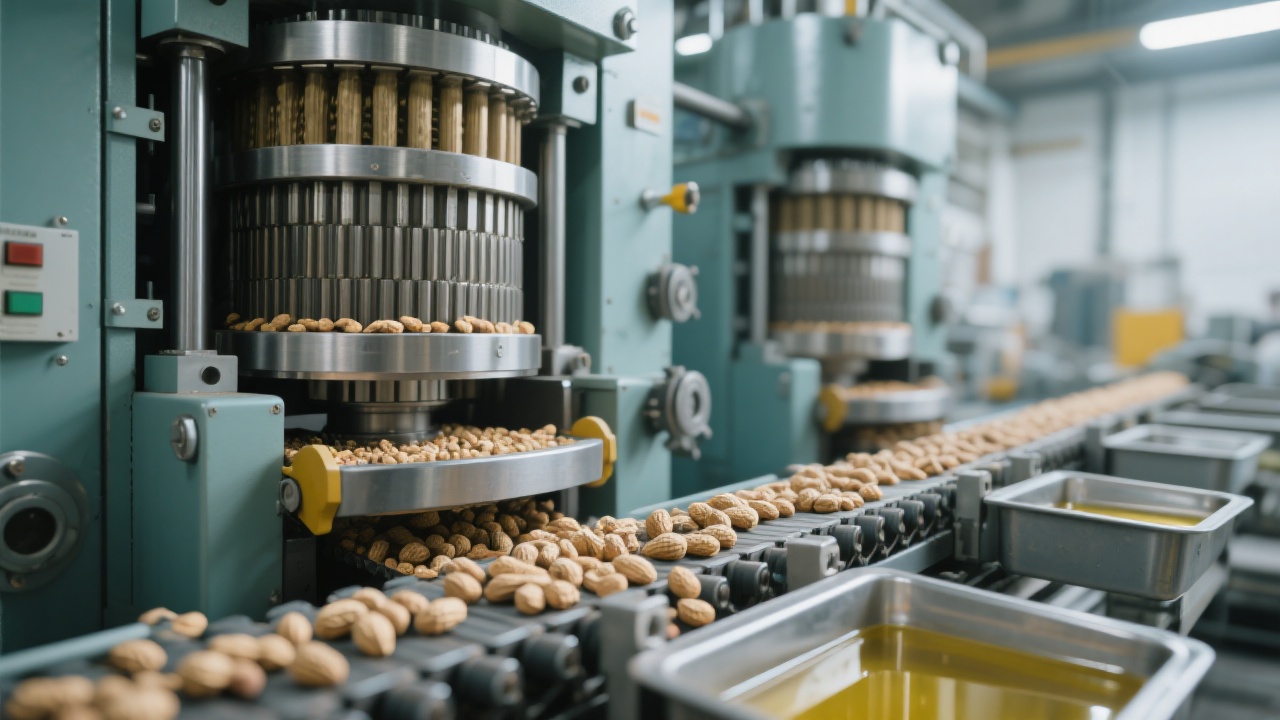
To address these issues, a systematic troubleshooting process is essential. Start by conducting a visual inspection of the machine, checking for obvious signs of damage or leakage. Then, review the control system settings to ensure they are correct. Next, test the raw materials for moisture content and adjust if necessary. Finally, check the lubrication levels and replenish as needed. Regular preventive maintenance can also help reduce the occurrence of these problems, saving you time and money in the long run.
Let's look at some real - world customer cases to illustrate how these issues can be identified and resolved. One customer reported a low oil yield. After a thorough inspection, it was found that the raw materials had a high moisture content. By adjusting the drying process, the oil yield increased by 25%. Another customer experienced motor overheating. The root cause was insufficient lubrication. After replenishing the lubricant, the motor temperature returned to normal, and the machine resumed normal operation.
"Thanks to the troubleshooting guide provided by the manufacturer, we were able to quickly identify and fix the problem with our peanut oil press. Our production has been running smoothly ever since." - A satisfied customer
In addition to the troubleshooting guide, our after - sales technical support team is always ready to assist you. With remote diagnosis capabilities, we can quickly assess the situation and provide real - time solutions, minimizing your downtime. Our team of experts has extensive experience in dealing with various issues related to automatic peanut oil presses, ensuring that you receive the best possible support.
Have you encountered any operational problems with your automatic peanut oil press? Leave a message below and share your experiences. Our team will be happy to help you find solutions.
Don't let operational issues hold back your peanut oil production. Our automatic peanut oil press offers energy - saving features, advanced automation control, and high - efficiency performance. Click here to learn more about how we can help you keep your production line running smoothly.





