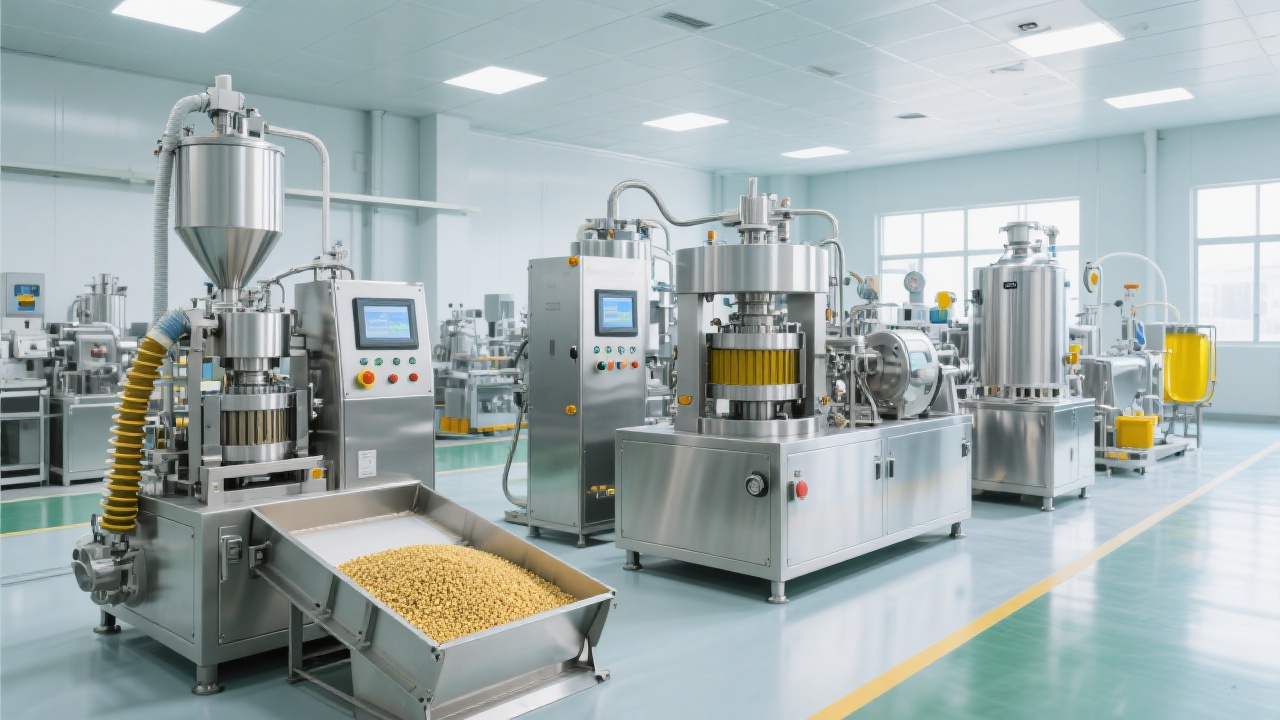
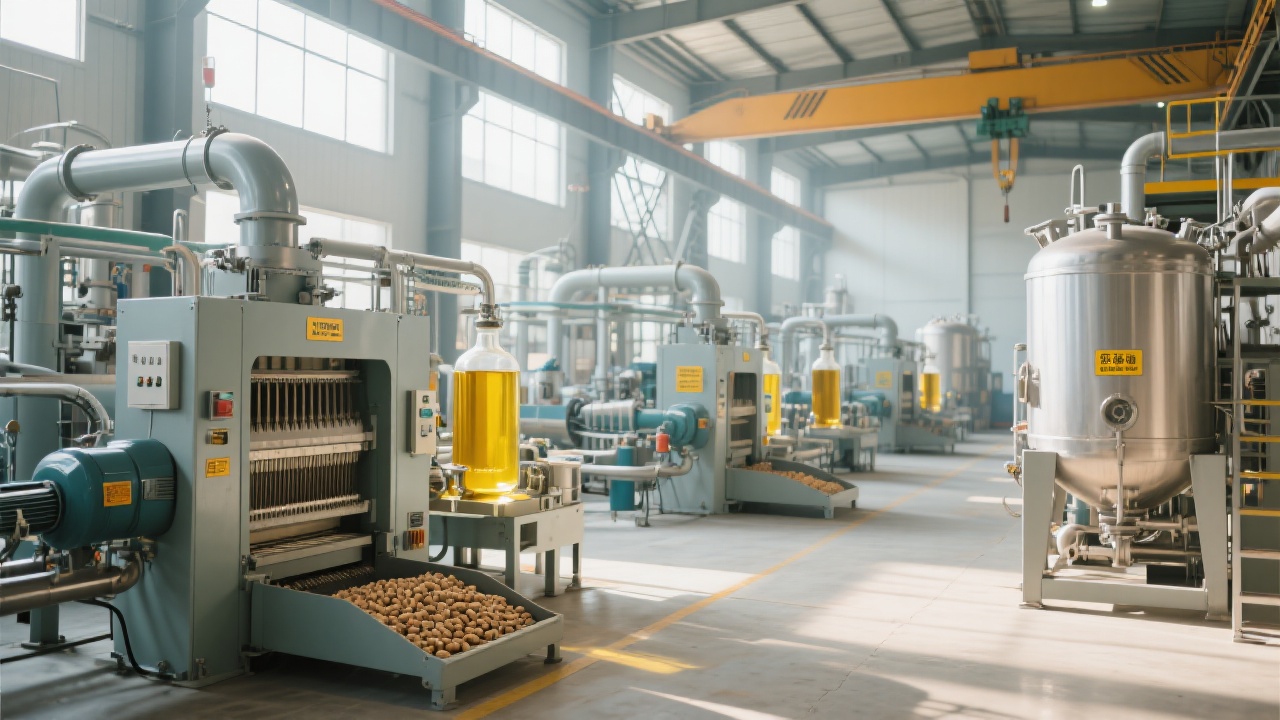
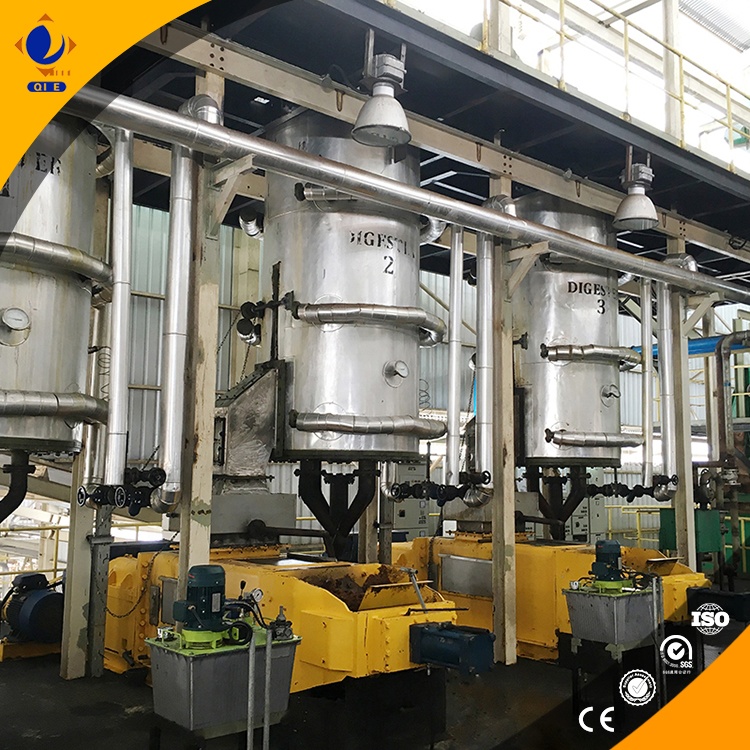
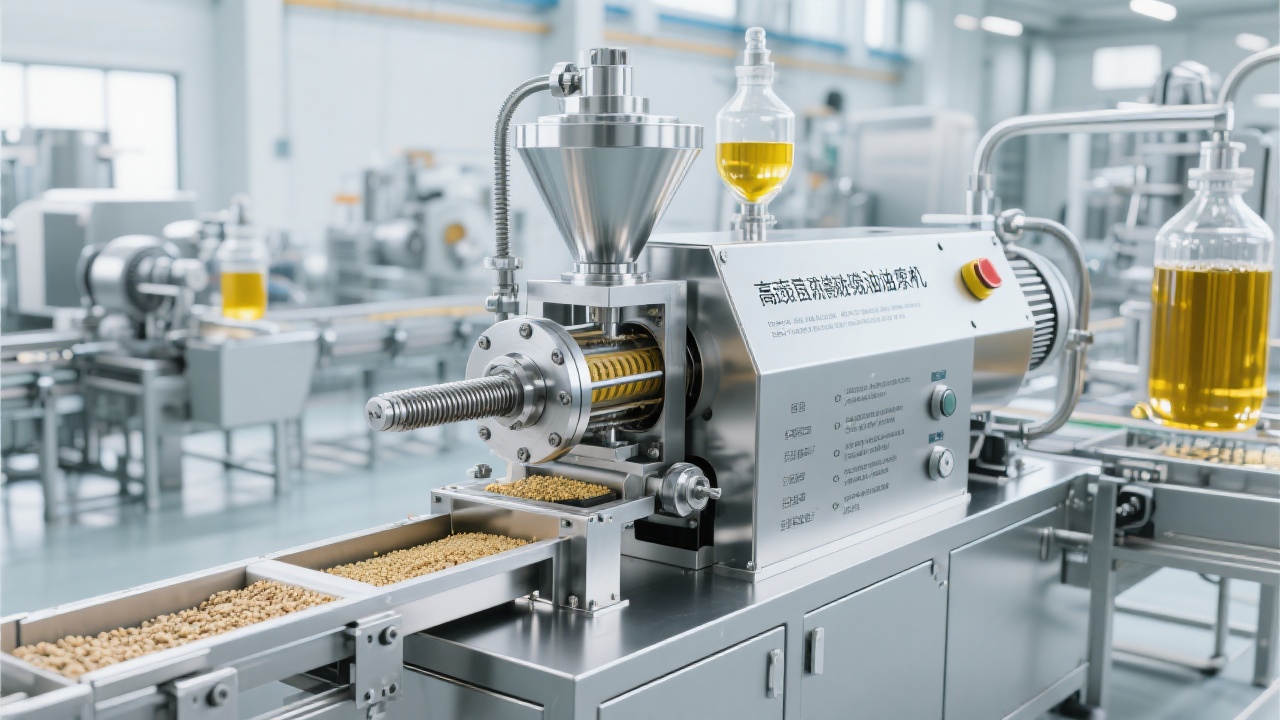
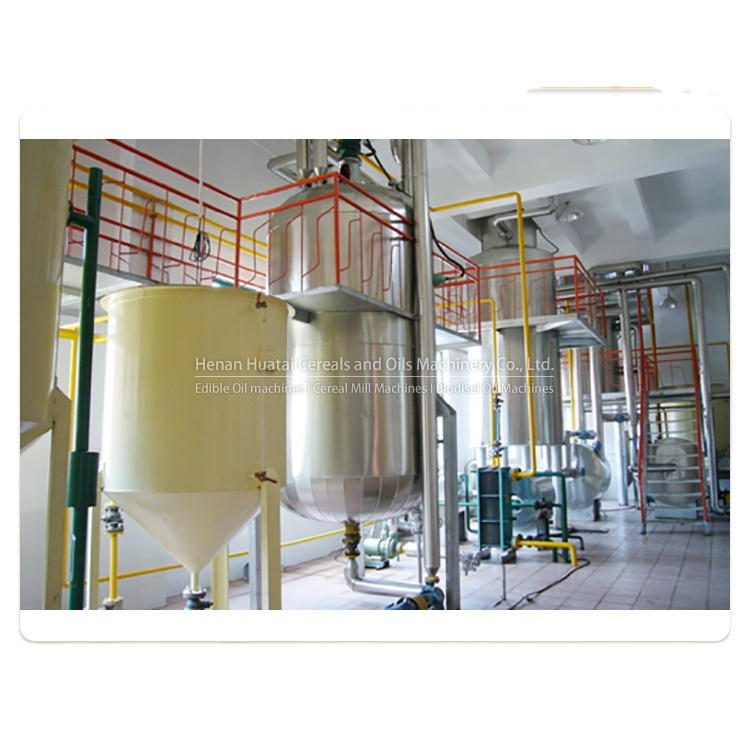
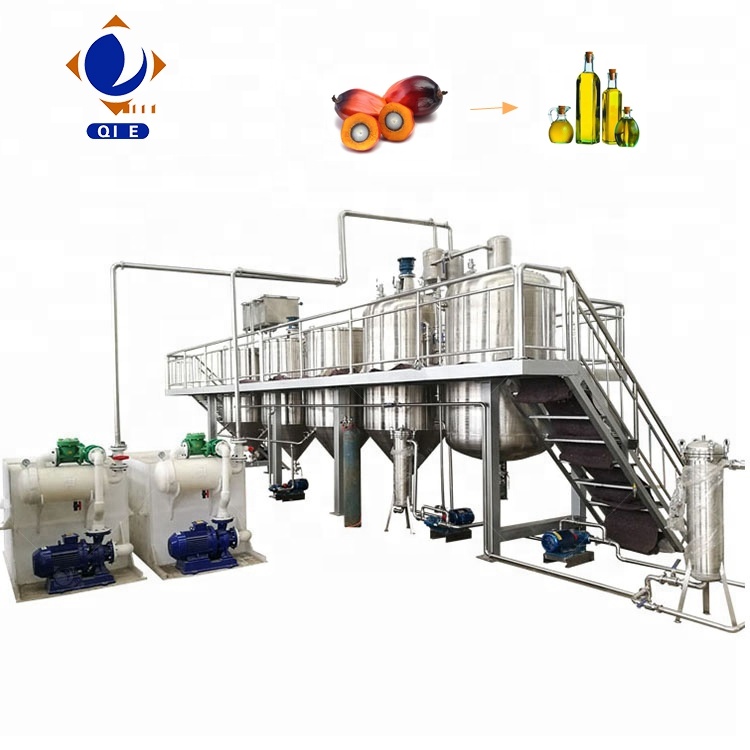
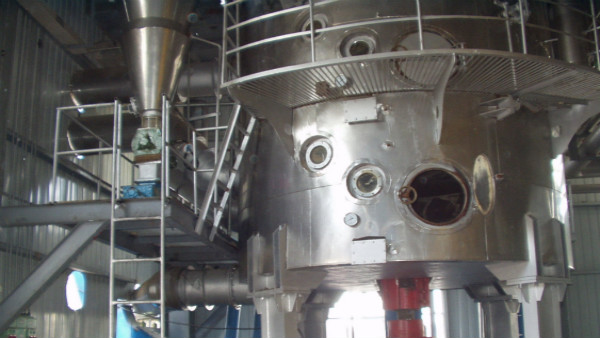
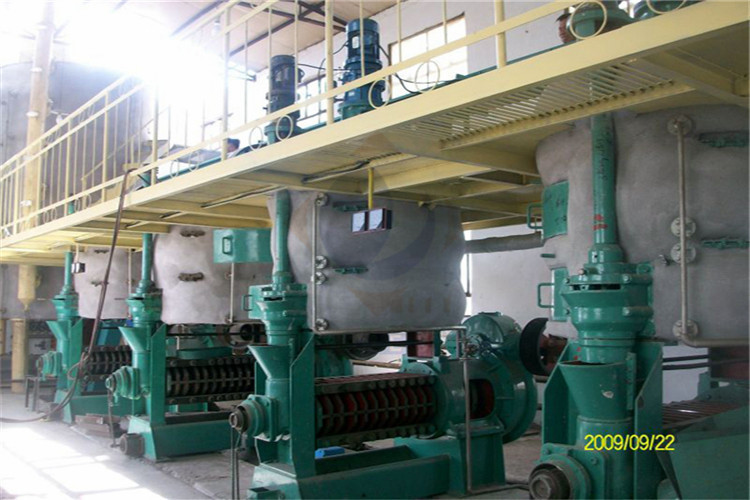
In the competitive landscape of grain and oil processing, maintaining the optimal performance of corn germ oil press machines is pivotal. These machines play a critical role in extracting premium-quality oil rich in nutrients, where even minor operational inefficiencies can significantly affect output and product quality. This article delves into how professional after-sales technical support ensures sustained high efficiency, focusing on core machine performance, intelligent temperature control, and maintenance strategies tailored for operations of varying scales.
Corn germ oil extraction via physical pressing is preferred for its ability to preserve essential nutrients and natural flavor profiles. Unlike solvent extraction, physical pressing retains valuable antioxidants and vitamins, enhancing oil quality. Modern corn germ oil press machines integrate intelligent temperature control systems, ensuring optimal pressing temperatures are maintained within a narrow, ideal range (typically 60–80°C). This optimization:
Conventional pressing machines frequently suffer from inconsistent temperature control resulting in frequent quality fluctuations, higher downtime, and costly maintenance. Common issues include:
Upgrading to machines equipped with AI-driven temperature modulation and robust mechanical components is no longer optional but essential for producers striving for quality consistency and operational continuity.
One of the key advantages of advanced corn germ oil press machines is their versatility across different production volumes:
This flexibility makes these machines suitable for a broad range of clients, each benefiting from tailored performance parameters and workflow configurations.
Technical sophistication must be matched by responsive and reliable after-sales support. Key components include:
"Since implementing their comprehensive after-sales support, our production line uptime increased from 85% to over 95%, with oil quality metrics consistently exceeding standards." – GrainTech Processing Manager
Verified implementations report an average oil yield increase of 8%-10% and a 20% reduction in unscheduled downtime within the first operational year. These improvements directly translate into better raw material ROI and enhanced market competitiveness.
The evolving landscape of grain processing demands ongoing collaboration between manufacturers and end-users. Regular software updates, sensor upgrades, and customized service packages ensure machines adapt to changing raw material profiles and regulatory requirements.

 94
|
94
|
 Cold - pressed corn germ oil
Hot - pressed corn germ oil
Corn germ oil pressing process
High - efficiency oil press
Physical pressing process
Cold - pressed corn germ oil
Hot - pressed corn germ oil
Corn germ oil pressing process
High - efficiency oil press
Physical pressing process
 80
|
high-efficiency oil press machine
automated peanut oil press machine
Peanut Oil Press Machine production line
environmentally friendly oil extraction equipment
high-capacity oil press machine
oil extraction machinery for agriculture
global oil press machine suppliers
reliable oil press machine manufacturer
Peanut Oil Press Machine for food industry
automated oil processing solutions
80
|
high-efficiency oil press machine
automated peanut oil press machine
Peanut Oil Press Machine production line
environmentally friendly oil extraction equipment
high-capacity oil press machine
oil extraction machinery for agriculture
global oil press machine suppliers
reliable oil press machine manufacturer
Peanut Oil Press Machine for food industry
automated oil processing solutions
 359
|
High-Efficiency Corn Germ Oil Press Machine
Commercial Oil Processing Equipment
Oil Extraction Machine
Vegetable Oil Press Machine
Advanced Oil Press Technology
Intelligent Temperature Control Oil Press
Eco-Friendly Oil Extraction
Multi-Functional Oil Press
Peanut Oil Press Solutions
359
|
High-Efficiency Corn Germ Oil Press Machine
Commercial Oil Processing Equipment
Oil Extraction Machine
Vegetable Oil Press Machine
Advanced Oil Press Technology
Intelligent Temperature Control Oil Press
Eco-Friendly Oil Extraction
Multi-Functional Oil Press
Peanut Oil Press Solutions
 398
|
Automatic Cold Press Oil Machine
Peanut Oil Press Machine
High Efficiency Oil Extractor
Eco-Friendly Oil Production
Oil Extraction Equipment
Industrial Oil Press Machine
Food Processing Oil Machine
Small Scale Oil Extraction
High Oil Yield Cold Press
Multi-Seed Oil Press Machine
398
|
Automatic Cold Press Oil Machine
Peanut Oil Press Machine
High Efficiency Oil Extractor
Eco-Friendly Oil Production
Oil Extraction Equipment
Industrial Oil Press Machine
Food Processing Oil Machine
Small Scale Oil Extraction
High Oil Yield Cold Press
Multi-Seed Oil Press Machine
 131
|
peanut oil refining equipment
multifunctional oil refining machinery
oil refining process
131
|
peanut oil refining equipment
multifunctional oil refining machinery
oil refining process