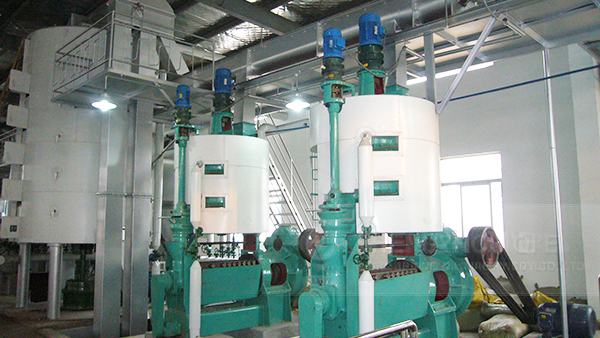
For global exporters in the edible oil sector, investing in high-efficiency corn germ oil press machines is just the first step. The real competitive edge lies in how well these machines are maintained over time. According to a 2023 industry survey by the International Food Processing Association (IFPA), companies that follow structured maintenance routines report up to 40% longer equipment lifespan and 25% higher extraction efficiency compared to those with ad-hoc servicing.
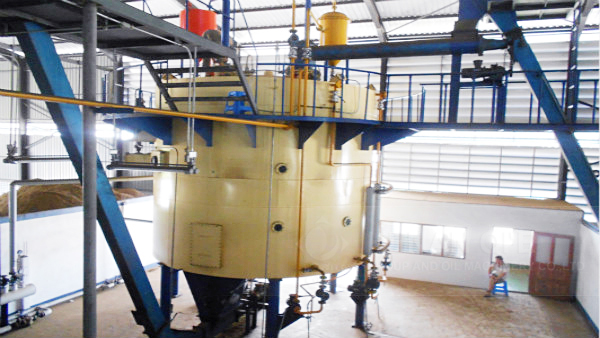
Modern corn germ oil presses use precision mechanical pressing combined with intelligent temperature control systems—unlike older hydraulic models that often overheat during continuous operation. In one case study from a Malaysian processing plant, switching to a smart-temperature-controlled press increased oil yield by 8.7% while reducing free fatty acid content by 12%. This improvement directly impacts both profitability and compliance with EU and US food safety standards.
The core innovation? A closed-loop thermal regulation system that maintains optimal pressing temperatures between 65–75°C. This range ensures maximum oil release without degrading sensitive nutrients like tocopherols and phytosterols—critical for premium cold-pressed oils targeting health-conscious markets.
Whether you're running a 50 kg/h small-scale facility or a 5-ton/day automated line, today’s advanced presses offer modular configurations. For example, a Vietnamese exporter reported a 30% reduction in downtime after upgrading to a scalable model that allowed them to adjust pressure settings based on raw material moisture levels—a common issue in tropical climates.
This flexibility also supports multi-crop operations. Many users now run both corn germ and sunflower seed presses on the same platform, thanks to interchangeable die sets and digital monitoring interfaces that simplify workflow transitions.
Maintenance isn’t just about fixing breakdowns—it’s about preventing them. Experts recommend a quarterly inspection schedule including bearing lubrication, belt tension checks, and seal integrity tests. One Indian manufacturer saw a 50% drop in unexpected stoppages after implementing this protocol, saving an estimated $12,000 annually in lost production time.
“We used to wait until something broke,” says Rajiv Mehta, Operations Manager at AgroTech Solutions. “Now we track vibration patterns and temperature spikes through IoT sensors. It’s not magic—it’s data-driven care.”
A well-maintained press doesn’t just last longer—it performs better, meets stricter quality benchmarks, and builds buyer trust across international markets.
If your team is still relying on reactive fixes—or if you’re evaluating new equipment for your next expansion—understanding these technical nuances can make all the difference. Stay ahead of the curve with actionable insights tailored to your production scale and market goals.
Get Your Customized Oil Press Maintenance Plan Today
 60
|
60
|
 Oil pressing equipment selection
Small and medium - sized oil enterprise equipment
Oil pressing efficiency improvement
Multi - functional oil press
Oil production equipment
Oil pressing equipment selection
Small and medium - sized oil enterprise equipment
Oil pressing efficiency improvement
Multi - functional oil press
Oil production equipment
 45
|
Fully Automatic Oil Press Machine
Multi-Functional Peanut Oil Press Machine
High-Efficiency Oil Extraction Equipment
45
|
Fully Automatic Oil Press Machine
Multi-Functional Peanut Oil Press Machine
High-Efficiency Oil Extraction Equipment
 429
|
["low energy peanut oil press machine"
"intelligent control peanut oil extractor"
"peanut oil production efficiency"
"modern oil processing equipment"
"food-grade oil press system"]
429
|
["low energy peanut oil press machine"
"intelligent control peanut oil extractor"
"peanut oil production efficiency"
"modern oil processing equipment"
"food-grade oil press system"]
 469
|
fully automatic oil press operation
oil press maintenance guide
small oil mill equipment
oil extraction process
energy-saving oil press techniques
469
|
fully automatic oil press operation
oil press maintenance guide
small oil mill equipment
oil extraction process
energy-saving oil press techniques
 74
|
corn germ oil press
efficient oil extraction equipment
intelligent temperature control oil press
multi-scenario oil press machine
high-yield oil pressing system
74
|
corn germ oil press
efficient oil extraction equipment
intelligent temperature control oil press
multi-scenario oil press machine
high-yield oil pressing system