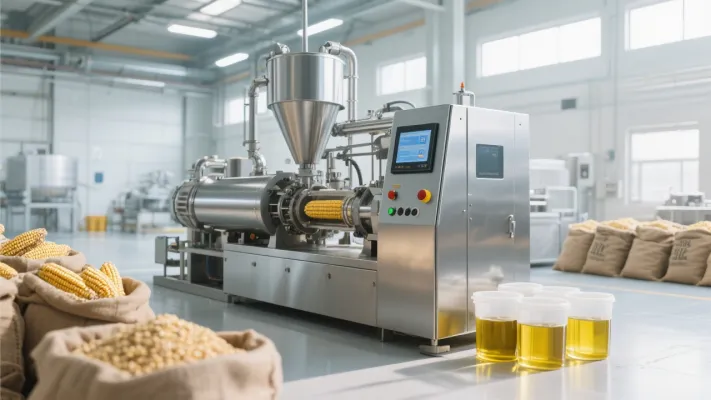
In the realm of corn germ oil production, enhancing extraction efficiency is a top priority for edible oil processing enterprises. This article delves into the full - process techniques of corn germ oil extraction, integrating the core advantages of an advanced intelligent temperature control system. It aims to provide a comprehensive guide to help businesses improve production efficiency and product quality.
Proper raw material pretreatment is the foundation for high - efficiency oil extraction. Corn germ should be cleaned to remove impurities such as dust, stones, and broken kernels. The moisture content of the germ is also crucial. Generally, the optimal moisture content for corn germ before extraction ranges from 10% to 12%. If the moisture is too high, it may lead to difficulties in the pressing process and affect the oil quality; if it is too low, the oil yield may decrease. For example, in a large - scale production line, precise moisture adjustment can increase the oil yield by about 2 - 3%.
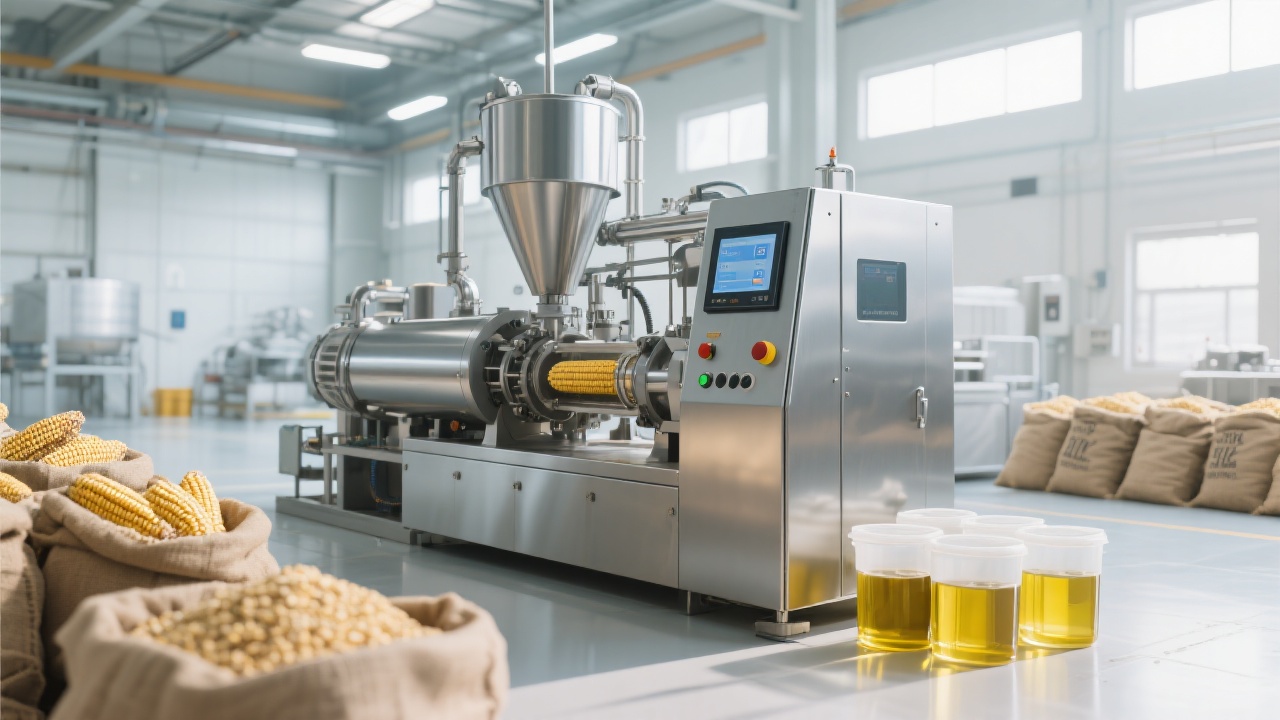
The intelligent temperature control system plays a pivotal role in the entire extraction process. Different stages require different temperature settings. During the heating stage of the germ, the temperature should be gradually increased to around 100 - 110°C. This temperature range can effectively break down the cell walls of the germ, facilitating oil release. In the pressing process, maintaining a stable temperature between 80 - 90°C can ensure a high oil yield and good oil quality. The system can adjust the temperature according to the ambient temperature. For instance, in a cold environment, it may need to increase the heating power to reach the desired temperature more quickly.
Pressing pressure and time are two key factors affecting oil yield. The pressure should be gradually increased during the pressing process. For small - scale presses, an initial pressure of about 1 - 2 MPa can be applied, and then gradually increased to 5 - 6 MPa. The pressing time usually lasts for 30 - 60 minutes, depending on the scale of production and the type of press. In a medium - sized production line, a well - adjusted pressure and time combination can improve the oil yield by approximately 1 - 2%.
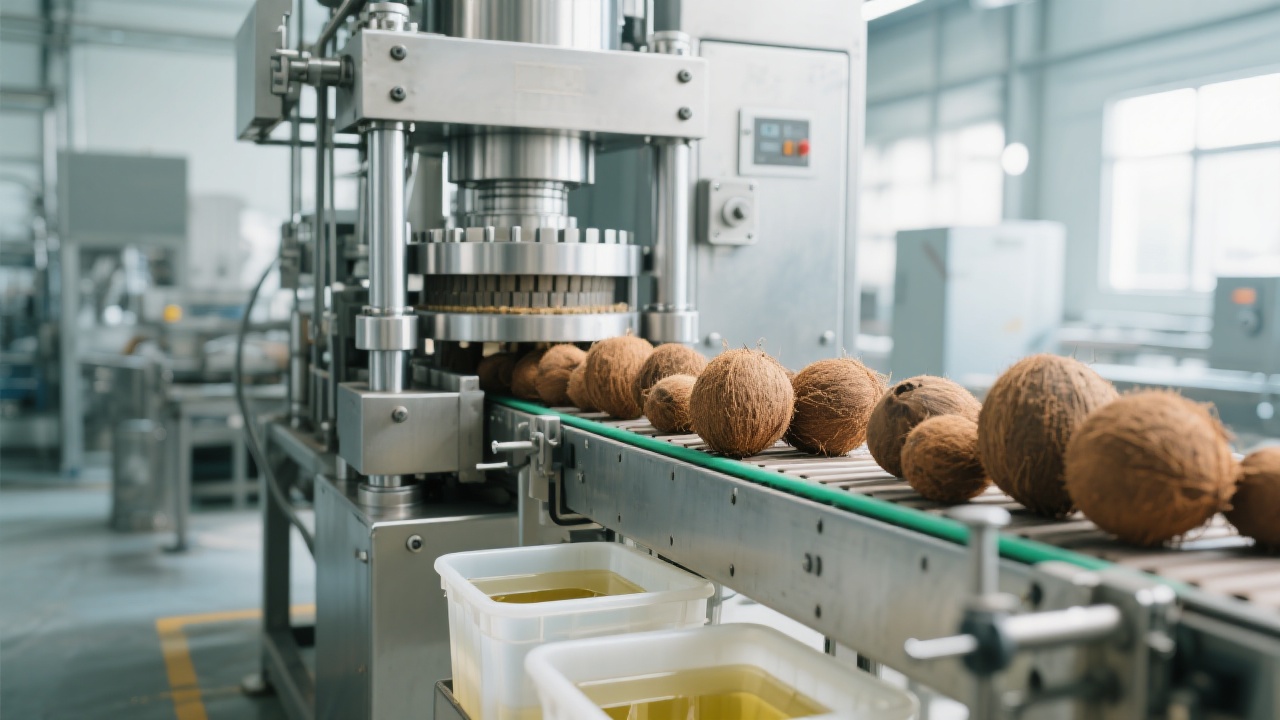
After pressing, the crude oil needs to be separated from the cake and refined. Gravity separation is a common method for initial separation. The crude oil can then be further refined through processes such as degumming, deacidification, decolorization, and deodorization. During the refining process, temperature control is still important. For example, the decolorization process usually requires a temperature of around 90 - 100°C to ensure effective removal of pigments.
During the production process, several common problems may occur. One of the most frequent issues is low oil yield. This can be caused by improper temperature control, incorrect pressing pressure, or poor raw material quality. If the oil has a strange smell, it may be due to excessive oxidation during the extraction or storage process. Technical engineers' practical experience shows that by carefully checking the temperature control system, adjusting the pressing parameters, and improving raw material management, most of these problems can be effectively solved.
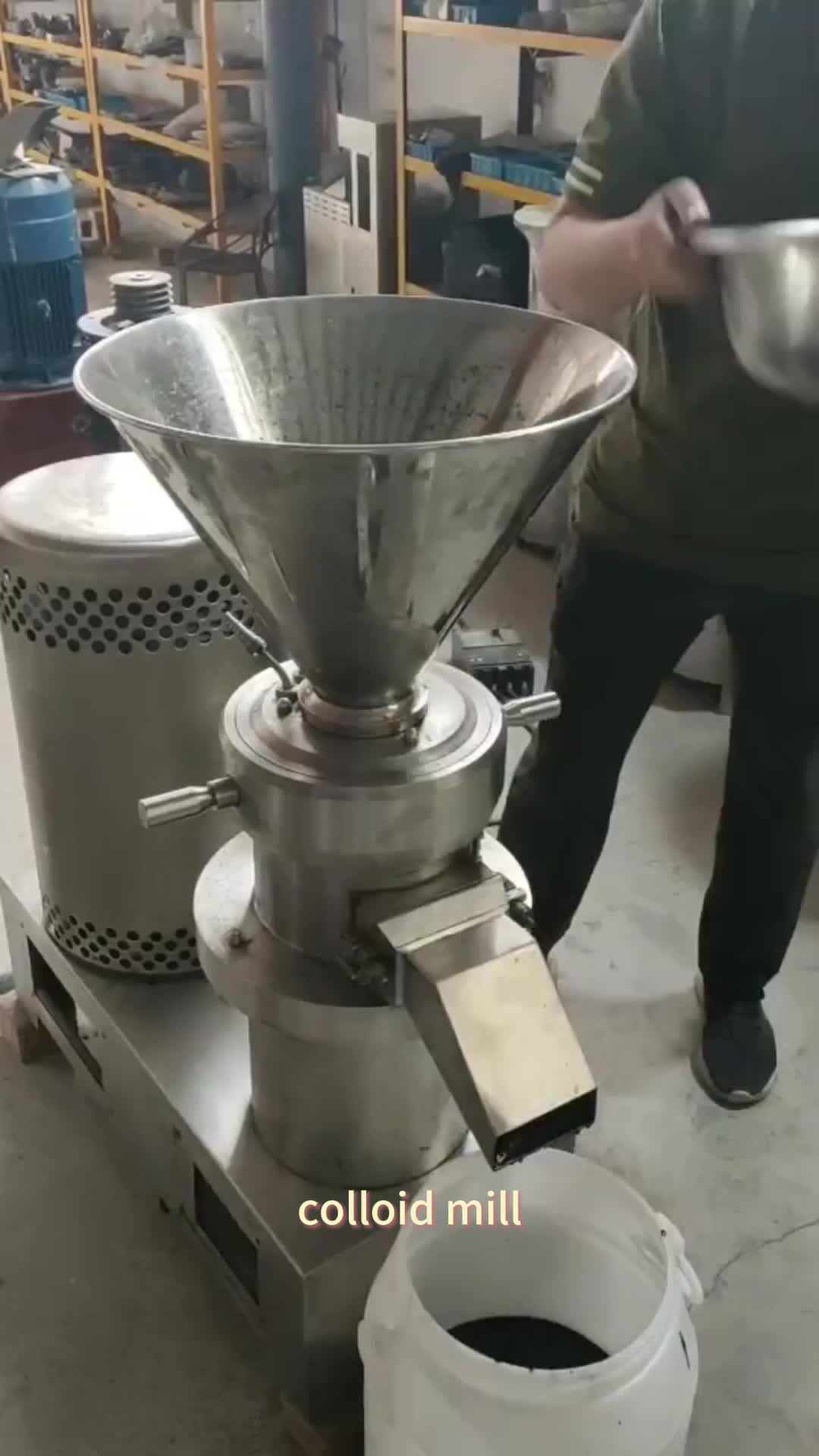
By mastering the above - mentioned techniques and making full use of the intelligent temperature control system, edible oil processing enterprises can significantly improve the extraction efficiency of corn germ oil, enhance product quality, and gain a competitive edge in the market. For more in - depth technical information and support, please visit our official website's technical documentation or contact our customer service.





