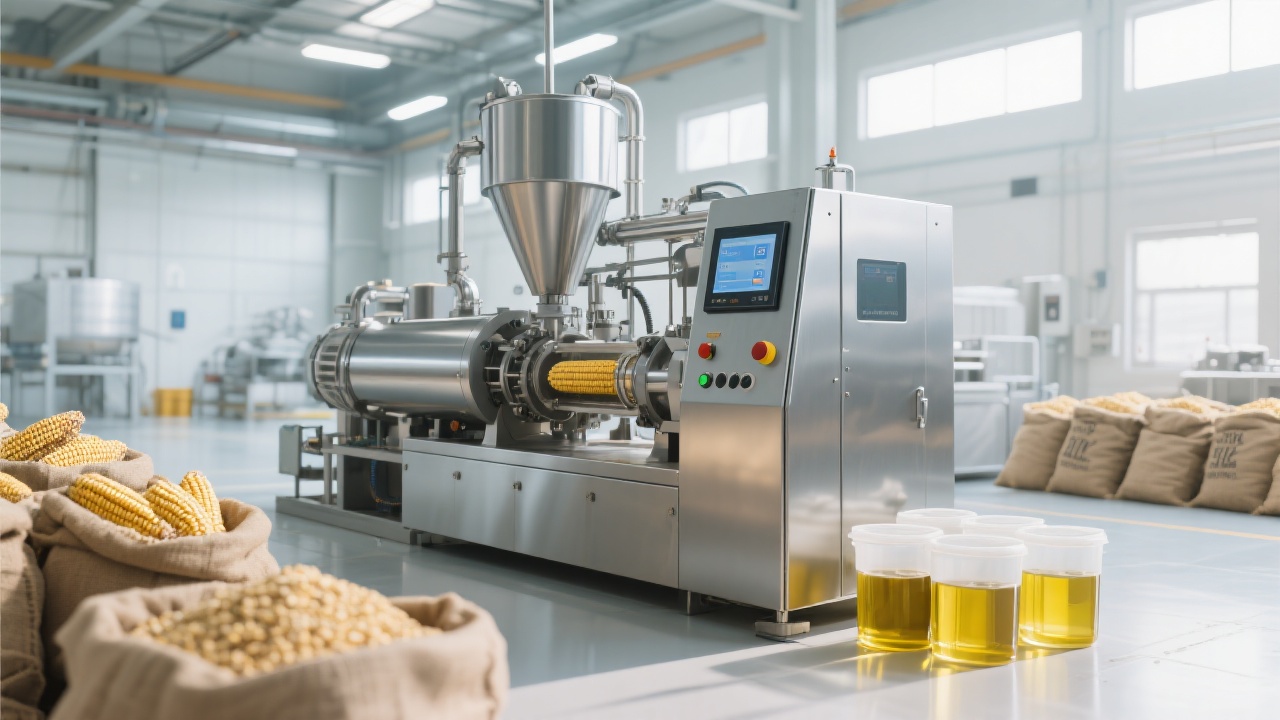
When it comes to corn germ oil pressing, several key factors play a crucial role in determining the quality and quantity of the final product. One of the most significant factors is temperature control. The precision of temperature control has a profound impact on the quality of the oil. For instance, according to industry research, traditional temperature control methods often lead to an average oil yield of around 28%, while the use of an intelligent temperature control system can boost the oil yield to approximately 32%. This 4% difference might seem small, but it can significantly affect the profitability of a large - scale oil processing enterprise.
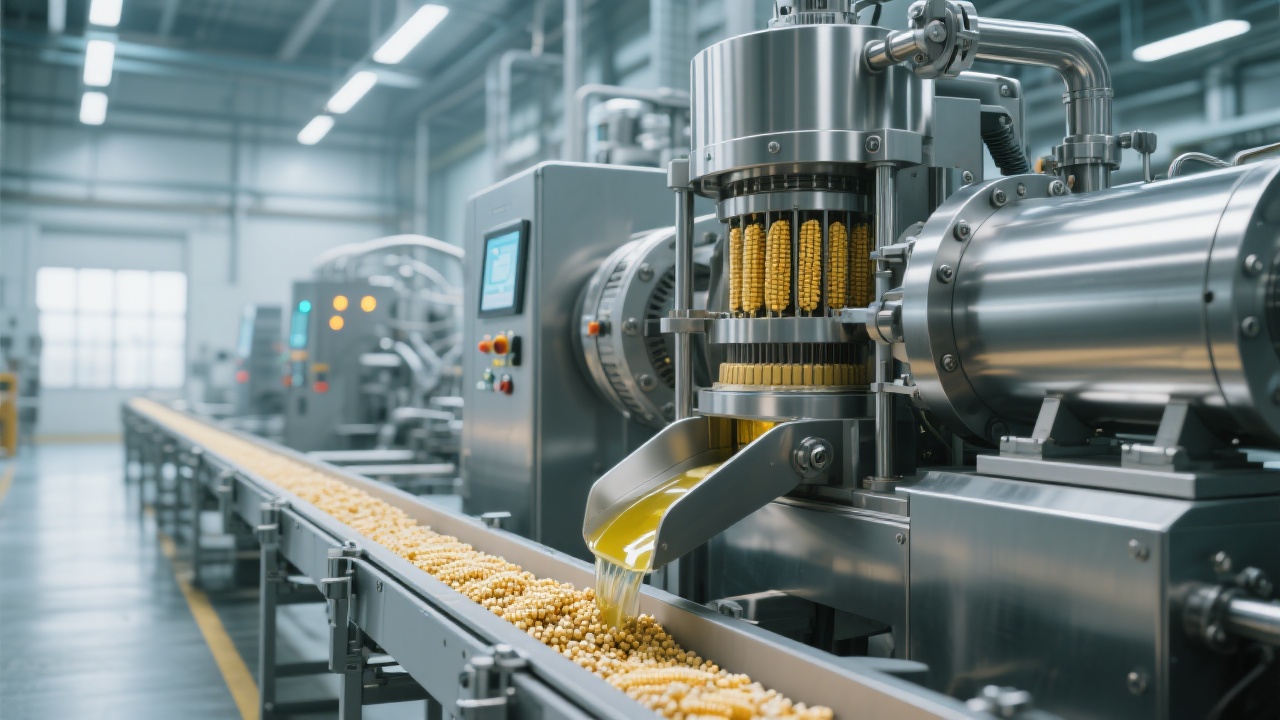
The mechanism behind this lies in the fact that different temperatures can cause varying degrees of damage to the oil molecules in corn germ. High temperatures can break down some of the unsaturated fatty acids, reducing the nutritional value of the oil and altering its natural flavor. On the other hand, an intelligent temperature control system can maintain the temperature within an optimal range, usually between 80 - 90°C, to preserve the nutritional components and natural aroma of the oil.
Let's take a look at some real - world examples to understand how different parameter settings affect the oil yield. Pressure is one of the key parameters. In a case study of a medium - sized oil processing plant, when the pressure was increased from 20 MPa to 30 MPa, the oil yield increased by about 3%. However, excessive pressure can also lead to the extraction of impurities, affecting the quality of the oil.
Temperature also has a direct impact on the oil yield. As mentioned earlier, the intelligent temperature control system can optimize the temperature. When the temperature is too low, the viscosity of the oil is high, and it is difficult to separate from the germ. When the temperature is too high, the oil may oxidize. Research shows that a temperature of 85°C is the most suitable for maximizing the oil yield while maintaining the quality of the oil.
Feed rate is another important factor. A proper feed rate ensures that the germ is evenly pressed. If the feed rate is too fast, the germ may not be fully pressed, resulting in a lower oil yield. In contrast, if the feed rate is too slow, it will reduce the production efficiency. An ideal feed rate is usually around 10 - 15 kg/min for a standard - sized pressing machine.
| Parameter | Traditional Setting | Optimized Setting | Oil Yield Difference |
|---|---|---|---|
| Pressure | 20 MPa | 30 MPa | +3% |
| Temperature | Traditional control | 85°C (Intelligent control) | +4% |
| Feed rate | Unregulated | 10 - 15 kg/min | +2% |
Equipment maintenance is often overlooked but is closely related to process optimization. A well - maintained pressing machine can ensure the stability of the pressing process. For example, regular cleaning of the pressing chamber can prevent the accumulation of residues, which can affect the pressure distribution and reduce the oil yield. According to industry standards, the pressing chamber should be cleaned at least once a week for continuous operation.
At the same time, timely replacement of worn - out parts, such as pressing screws, can also improve the efficiency of the pressing process. A new pressing screw can increase the oil yield by about 1 - 2% compared to a worn - out one. Therefore, equipment maintenance and process optimization should be carried out simultaneously to achieve the best results.
To sum up, here are some practical operation points for optimizing the corn germ oil pressing process. First, make full use of the intelligent temperature control system to maintain the temperature at 80 - 90°C. Second, adjust the pressure, temperature, and feed rate according to the actual situation of the raw materials and equipment. Third, regularly maintain the equipment to ensure its normal operation.
If you want to learn more about the advanced corn germ oil pressing technology and get further technical materials, click the button below to download our 《Efficient Pressing Operation Guide》.
Download the Guide Now