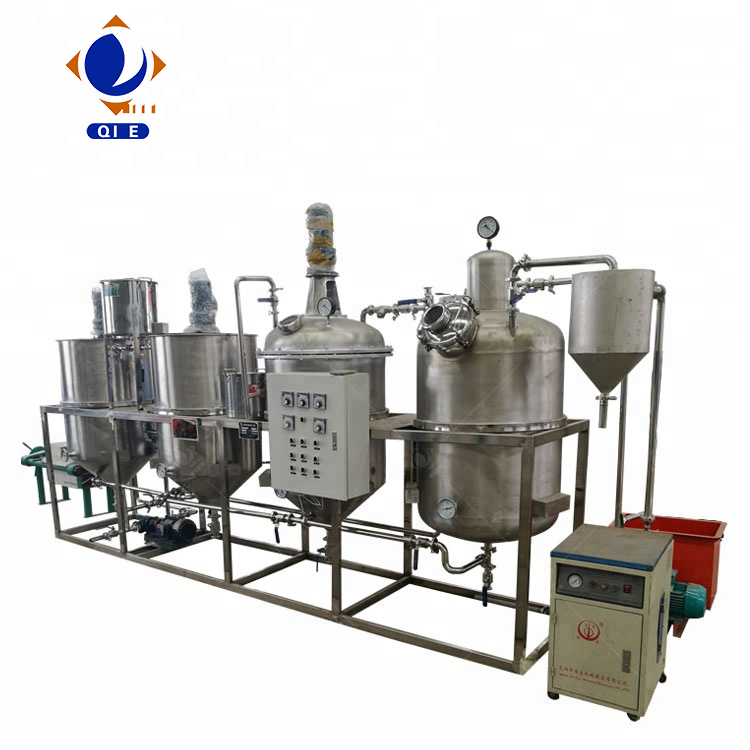
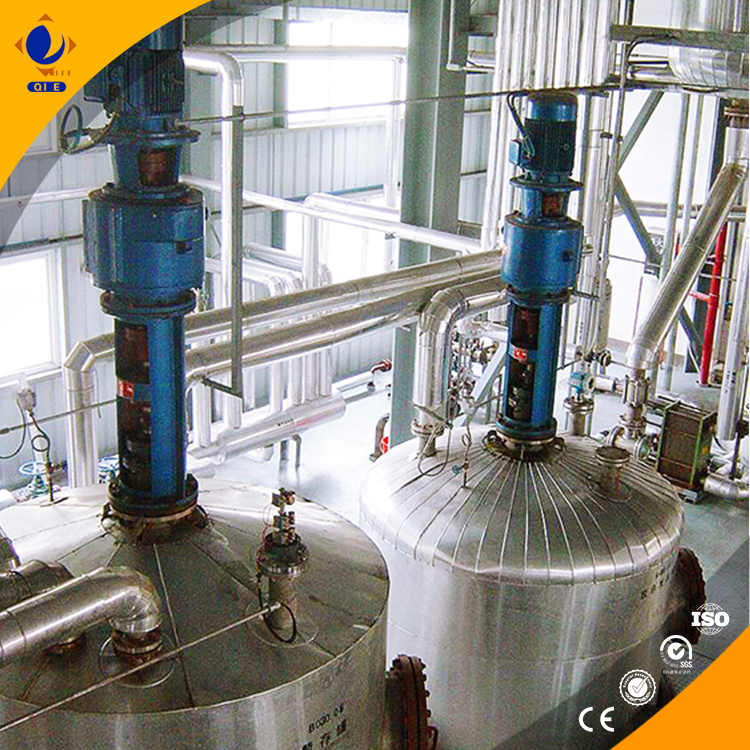
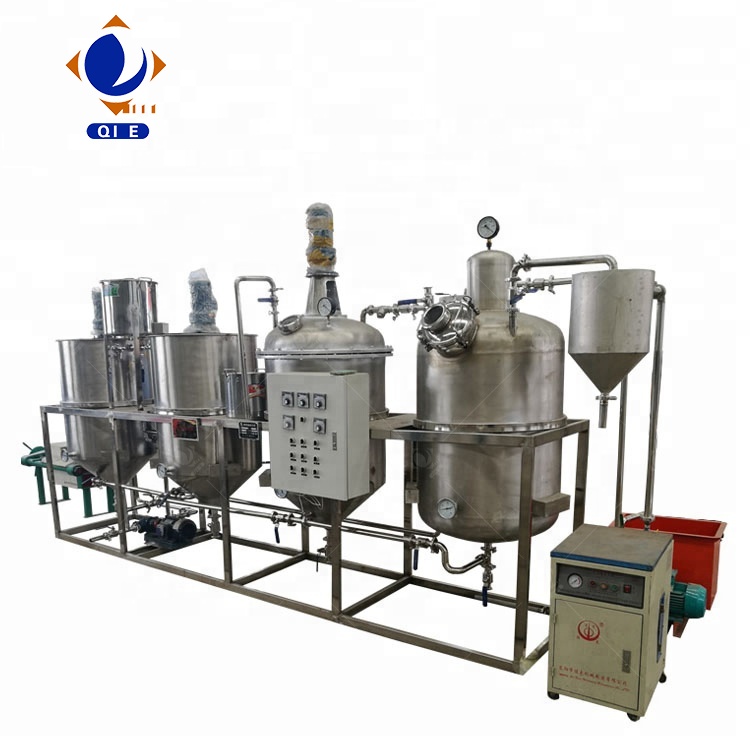
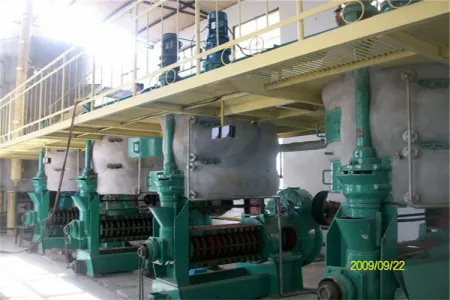
For food processors and oilseed manufacturers, choosing the right corn germ oil press line configuration is critical—not just for output volume, but for consistent quality, energy efficiency, and long-term ROI. Whether you're starting a small-scale operation or scaling up to industrial production, understanding the differences in equipment setup, process control, and operational flexibility can make or break your success.
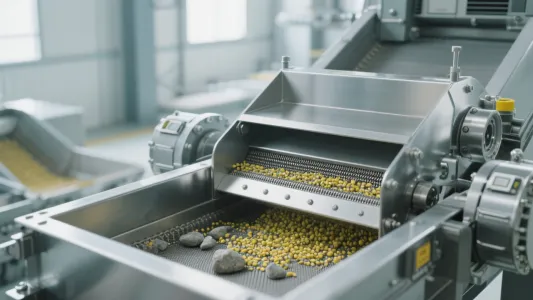
The corn germ oil extraction process typically involves four core stages: raw material pre-treatment (cleaning, drying, dehulling), pressing under controlled temperature, oil separation (using filters or centrifuges), and final refining (degumming, neutralization, bleaching, deodorizing). Each step must be precisely tuned—especially temperature and pressure—to maximize yield while preserving essential nutrients like tocopherols and phytosterols.
Industry data shows: A well-managed small-scale system (5–10 tons/day) can achieve an average oil yield of 42–45% with proper pre-conditioning, while large-scale lines (50+ tons/day) often reach 47–52% due to optimized automation and continuous flow design.
One of the most overlooked factors in corn germ oil production is thermal management during pressing. Too high a temperature (>65°C) leads to lipid oxidation and reduced shelf life; too low (<45°C) causes poor oil release and increased mechanical stress on the screw press.
Modern intelligent temperature control systems allow real-time adjustments based on feed moisture content and ambient conditions. For example, one engineer from a Thai processor reported a 12% improvement in oil clarity after implementing variable-speed heating zones in their mid-sized press line—without increasing energy consumption.
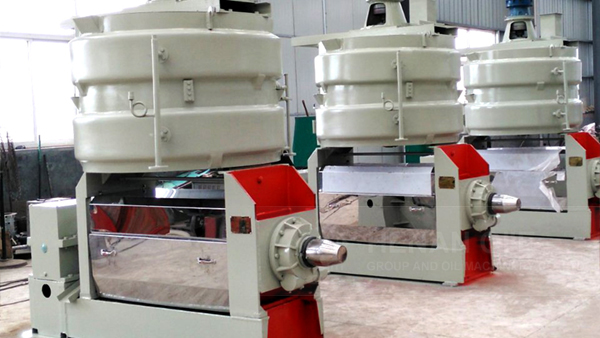
Small-scale producers benefit from modular setups—easy to expand, simpler maintenance, and lower capital risk. However, they may lack the economies of scale needed for competitive pricing in export markets.
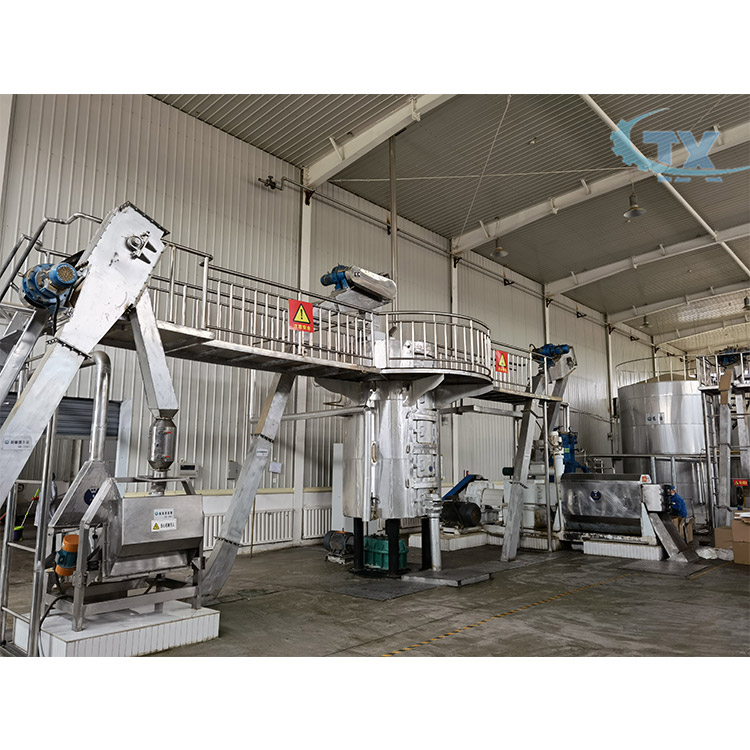
In contrast, large-scale operations prioritize throughput and consistency. They invest in multi-stage presses, automated feeding, and integrated oil purification units. Yet, these systems require skilled technicians and regular calibration to maintain peak performance—especially when switching between different grain qualities or seasonal supply fluctuations.
If you’re evaluating configurations for your facility—or looking to upgrade existing systems—our technical team has helped over 150 global clients improve yield, reduce downtime, and meet international quality standards.
Download Free Technical Guide: "Optimizing Corn Germ Oil Press Settings"
 251
|
251
|
 multi-functional peanut oil refining equipment
food safety compliant refining equipment for peanuts
refining equipment suitable for small oil mills
multi-functional peanut oil refining equipment
food safety compliant refining equipment for peanuts
refining equipment suitable for small oil mills
 58
|
peanut oil press technology
automatic oil pressing equipment efficiency
energy-saving oil extraction solutions
peanut oil press selection criteria
automated oil production line
58
|
peanut oil press technology
automatic oil pressing equipment efficiency
energy-saving oil extraction solutions
peanut oil press selection criteria
automated oil production line
 478
|
energy-efficient peanut oil press machine
ISO9001 certification
high-efficiency peanut oil production equipment
advantages of peanut oil press
eco-friendly oil pressing machine
478
|
energy-efficient peanut oil press machine
ISO9001 certification
high-efficiency peanut oil production equipment
advantages of peanut oil press
eco-friendly oil pressing machine
 174
|
oilseed pretreatment processing equipment
efficient vegetable oil production solutions
customized oilseed processing machinery
174
|
oilseed pretreatment processing equipment
efficient vegetable oil production solutions
customized oilseed processing machinery
 432
|
oil press machine operation guide
oilseed oil press maintenance
oil press energy management
fully automatic oil press techniques
small and medium oil mill optimization
432
|
oil press machine operation guide
oilseed oil press maintenance
oil press energy management
fully automatic oil press techniques
small and medium oil mill optimization