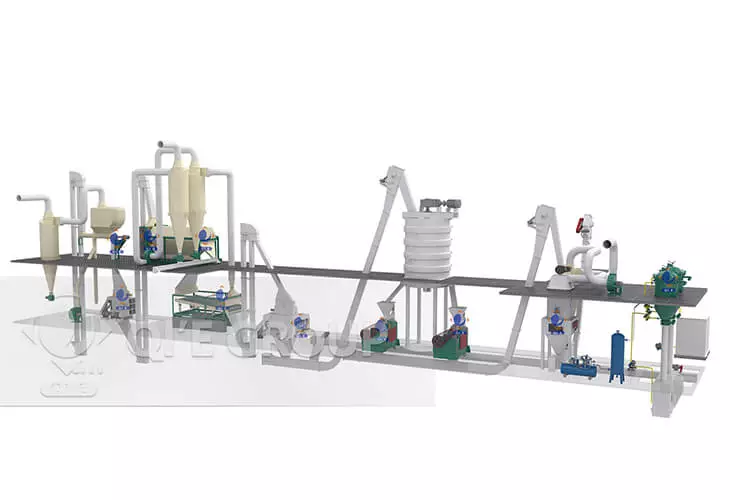
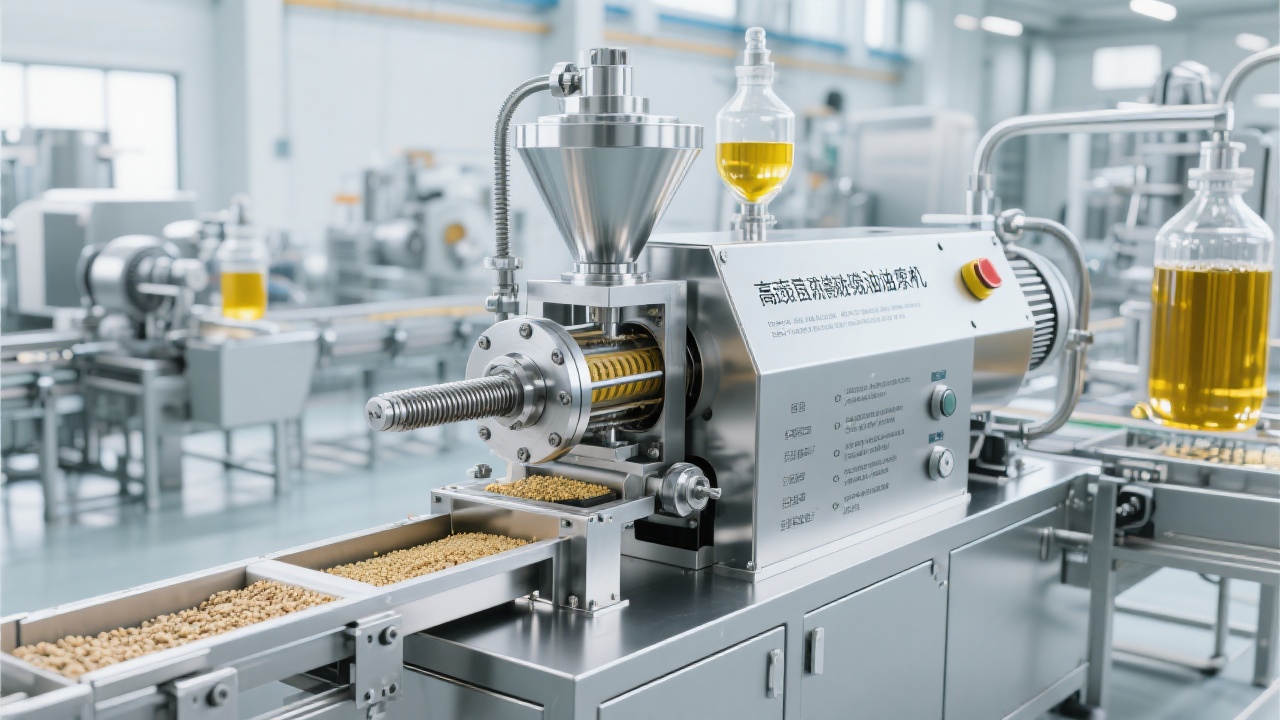
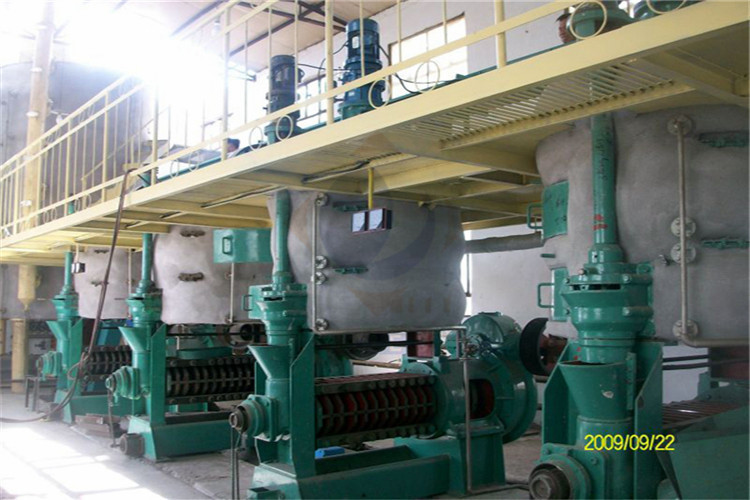
Producing high-quality corn germ oil isn’t just about having the right equipment—it’s about mastering each stage of the process. From raw material prep to final separation, even small deviations can impact yield, color, and nutritional value. Based on real-world data from over 40 processing plants globally, here’s how to solve the most frequent bottlenecks in corn germ oil extraction.
Moisture content should be maintained between 8–12% for optimal press performance. A study by the Chinese Grain & Oil Association found that 67% of production issues stemmed from improper pre-treatment—especially when moisture exceeded 14%. Use a calibrated infrared moisture meter before feeding into the press. For every 1% deviation above 12%, expect a 3–5% drop in oil recovery rate.
The ideal pressing temperature range is 65–75°C. Going beyond 80°C increases free fatty acid (FFA) levels rapidly—by up to 20% in just 30 minutes. One Indonesian mill reported oxidized oil with rancid smell after running at 85°C continuously. Implement an intelligent temperature control system with real-time feedback loops to prevent overheating without sacrificing throughput.
For screw-type presses, apply pressure gradually: start at 15 MPa for 5 minutes, then increase to 25 MPa for another 10 minutes. This two-stage approach improves oil clarity and reduces residual solids in cake by 12%. In contrast, constant high pressure leads to fiber breakdown and darker oil—a common issue in small-scale operations.
Case Study: A Mexican processor saw repeated low yields (below 28%) despite using new machinery. Upon inspection, engineers discovered that the feed hopper was clogged due to inconsistent kernel size. After installing a sieve screen and adjusting roller gap settings, output rose to 34%. Always check feed uniformity—if your kernels vary more than ±2mm, you’re likely losing efficiency.
Small processors (under 5 tons/day) benefit from modular designs with adjustable rollers and manual controls. Larger facilities (>20 tons/day) should invest in automated systems with PLC-based monitoring. Both setups must include regular maintenance schedules—downtime costs average $3,000 per hour in large plants if not managed proactively.
Pro Tip: Train operators to recognize early signs of poor oil quality—such as increased viscosity or darkening within the first 30 minutes of operation. Quick adjustments can save entire batches and reduce waste by up to 15%.
Looking for detailed technical guides, case studies, or equipment configuration templates? Our engineering team has helped over 100 mills optimize their processes—no sales pitch, just actionable insights.
Download Free Technical Documentation Now
 241
|
241
|
 Fully Automatic Cold Press Oil Machine
Peanut Oil Press Machine
High Efficiency Oil Extraction
Automated Oil Processing Equipment
Energy Saving Cold Oil Press
Oil Press Machine for Soybean
Sunflower Oil Extraction Machine
Vegetable Oil Processing Equipment
Small Scale Oil Press Machines
Industrial Cold Oil Press
Fully Automatic Cold Press Oil Machine
Peanut Oil Press Machine
High Efficiency Oil Extraction
Automated Oil Processing Equipment
Energy Saving Cold Oil Press
Oil Press Machine for Soybean
Sunflower Oil Extraction Machine
Vegetable Oil Processing Equipment
Small Scale Oil Press Machines
Industrial Cold Oil Press
 55
|
oil press selection for small and medium enterprises
energy-efficient oil press machine
multi-functional oil press equipment
oil pressing efficiency optimization
oilseed processing equipment
55
|
oil press selection for small and medium enterprises
energy-efficient oil press machine
multi-functional oil press equipment
oil pressing efficiency optimization
oilseed processing equipment
 33
|
oil press equipment selection
small oil processing plant equipment
oil pressing efficiency improvement
automatic oil press machine
oilseed processing solutions
33
|
oil press equipment selection
small oil processing plant equipment
oil pressing efficiency improvement
automatic oil press machine
oilseed processing solutions
 430
|
fully automatic peanut oil press machine
peanut oil extraction equipment
oil pressing machine for small production
automated oil press installation
energy-efficient oil press systems
430
|
fully automatic peanut oil press machine
peanut oil extraction equipment
oil pressing machine for small production
automated oil press installation
energy-efficient oil press systems
 128
|
automatic palm fruit oil press line
palm kernel oil processing machine
high-efficiency palm oil production line
durable palm oil extraction equipment
energy-efficient palm oil machinery
automated palm oil production solution
ISO9001 certified palm oil press
versatile palm oil processing line
stainless steel palm oil extraction machine
128
|
automatic palm fruit oil press line
palm kernel oil processing machine
high-efficiency palm oil production line
durable palm oil extraction equipment
energy-efficient palm oil machinery
automated palm oil production solution
ISO9001 certified palm oil press
versatile palm oil processing line
stainless steel palm oil extraction machine






.jpg)