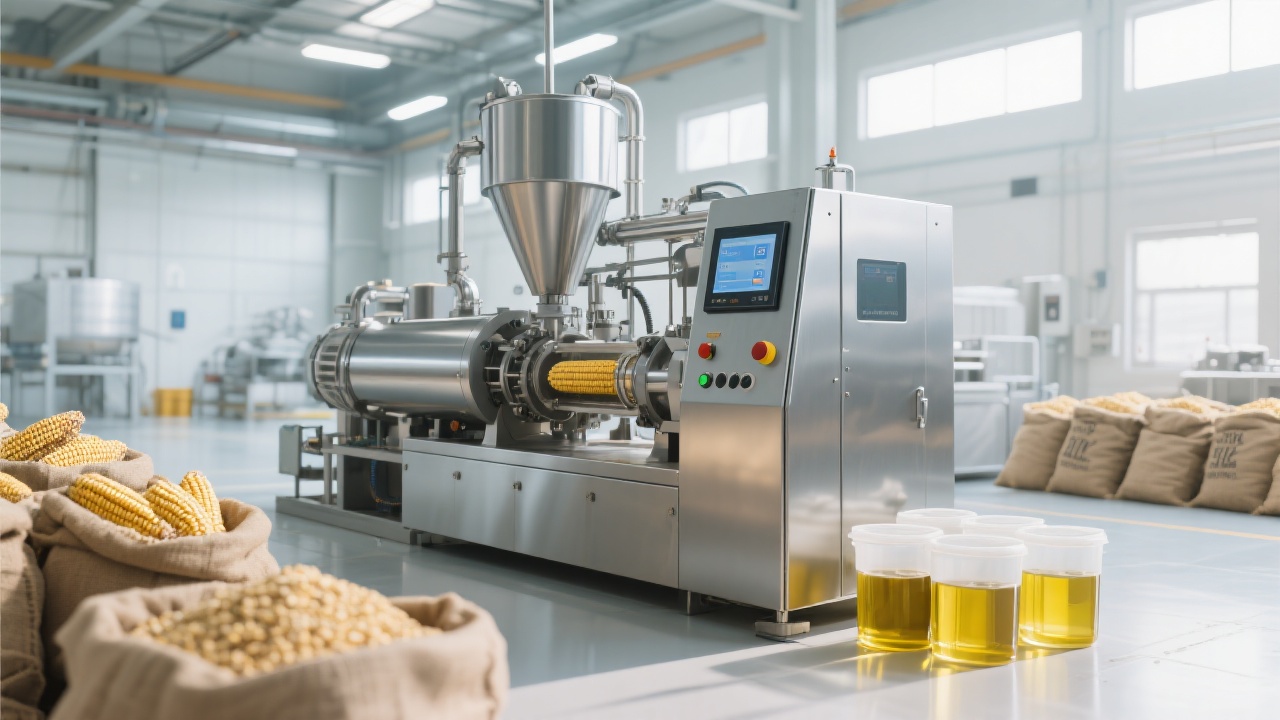
Boosting the efficiency of corn germ oil production demands a thorough understanding of key process parameters and advanced equipment handling. Drawing from frontline engineers' practical notes, this guide explores actionable methods to optimize pressing operations, advance process control, and improve product quality. Grain and oil processors aiming to upgrade productivity and meet diverse production scales will find structured, data-backed advice on elevating their output sustainably.
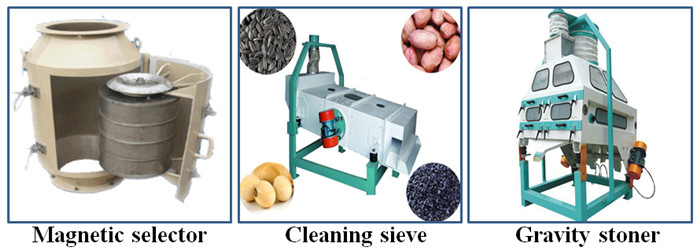
Ensuring the raw corn germ is properly pretreated significantly impacts oil extraction efficiency. Moisture content should be maintained between 6% to 8% to facilitate optimal pressing without clogging the machinery. Pre-cleaning to remove impurities enhances oil purity and reduces wear on mechanical parts.
One frontline observation notes a 5-7% increase in oil yield after implementing a rigorous germ drying period and screening process. This step prevents excessive emulsification later in refining steps.
Precise temperature regulation during pressing is central to maximizing oil yield and maintaining quality. Advanced pressing lines integrate intelligent temperature control systems that adjust heat dynamically based on input moisture and pressing speed. Field tests demonstrate that maintaining temperatures around 90-95°C leads to a 12-15% improvement in extraction efficiency compared to fixed temperature operations.
These systems reduce manual interventions, lowering operator errors and stabilizing daily production output. The temperature curve correlation with oil purity and color attributes is crucial for meeting strict food-grade standards.
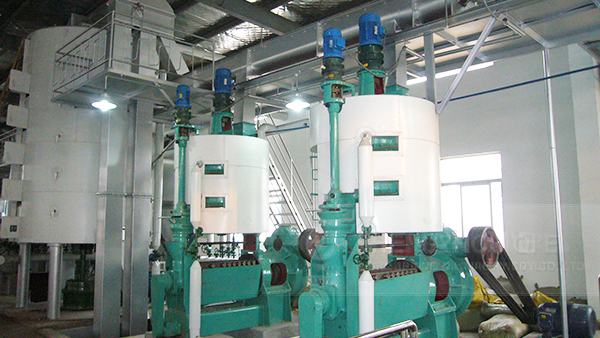
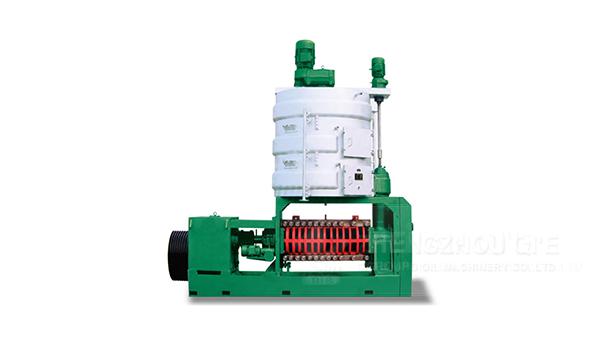
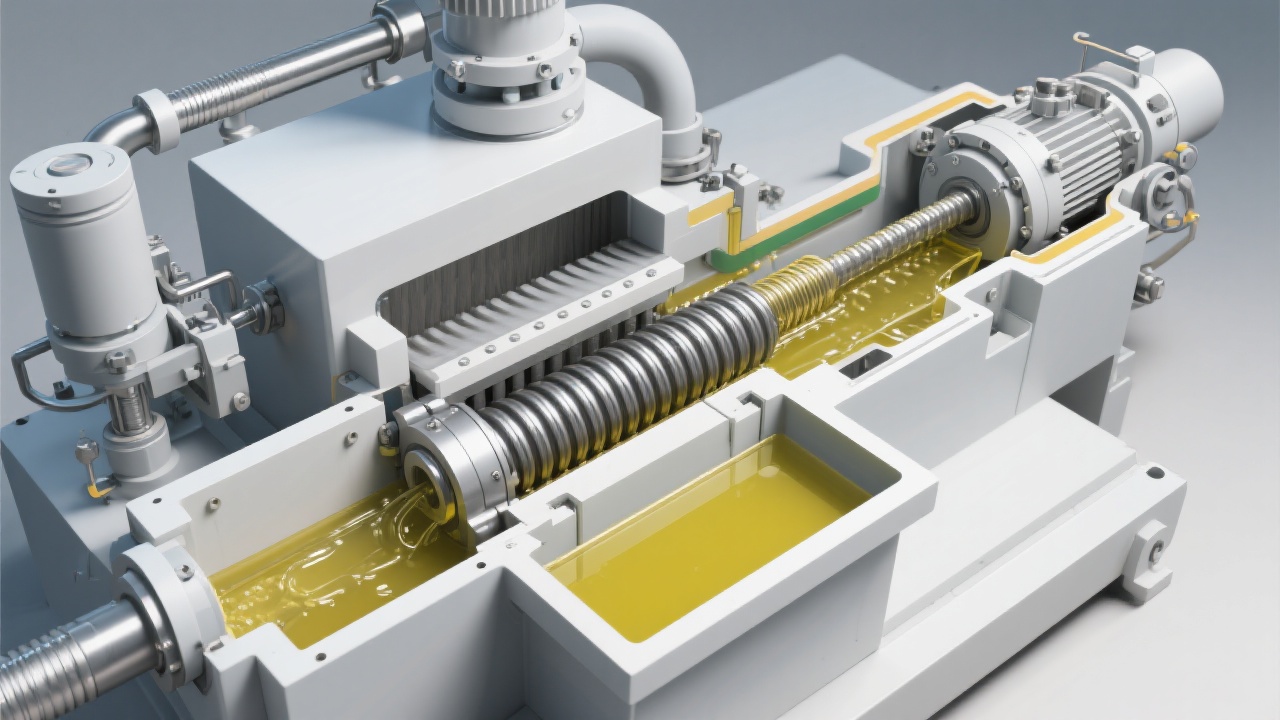
According to seasoned engineers, the interplay between pressing pressure and screw speed must be fine-tuned to the particular machine model and feedstock characteristics. Optimal pressure settings typically range between 15 to 20 MPa, ensuring maximum oil release without damaging the screw or overheating the germ.
Adjusting the screw speed to maintain a residence time of approximately 60-90 seconds has proven effective. Excess speed can compromise yield, whereas too slow operation reduces throughput. It is recommended to continuously monitor process indicators, including temperature and oil moisture content, to adjust parameters in real-time.
Post-pressing, efficient separation and refining techniques secure the oil's clarity and stability. Implementing centrifugal separators that operate at speeds above 10,000 RPM helps remove insoluble solids and moisture effectively, raising oil purity to above 99.5%.
Refining steps targeting color and free fatty acid reduction use controlled bleaching and deodorizing processes, essential for edible grade standards. Monitoring color metrics (Lovibond scale) alongside periodic acid value tests ensures batch-to-batch consistency.
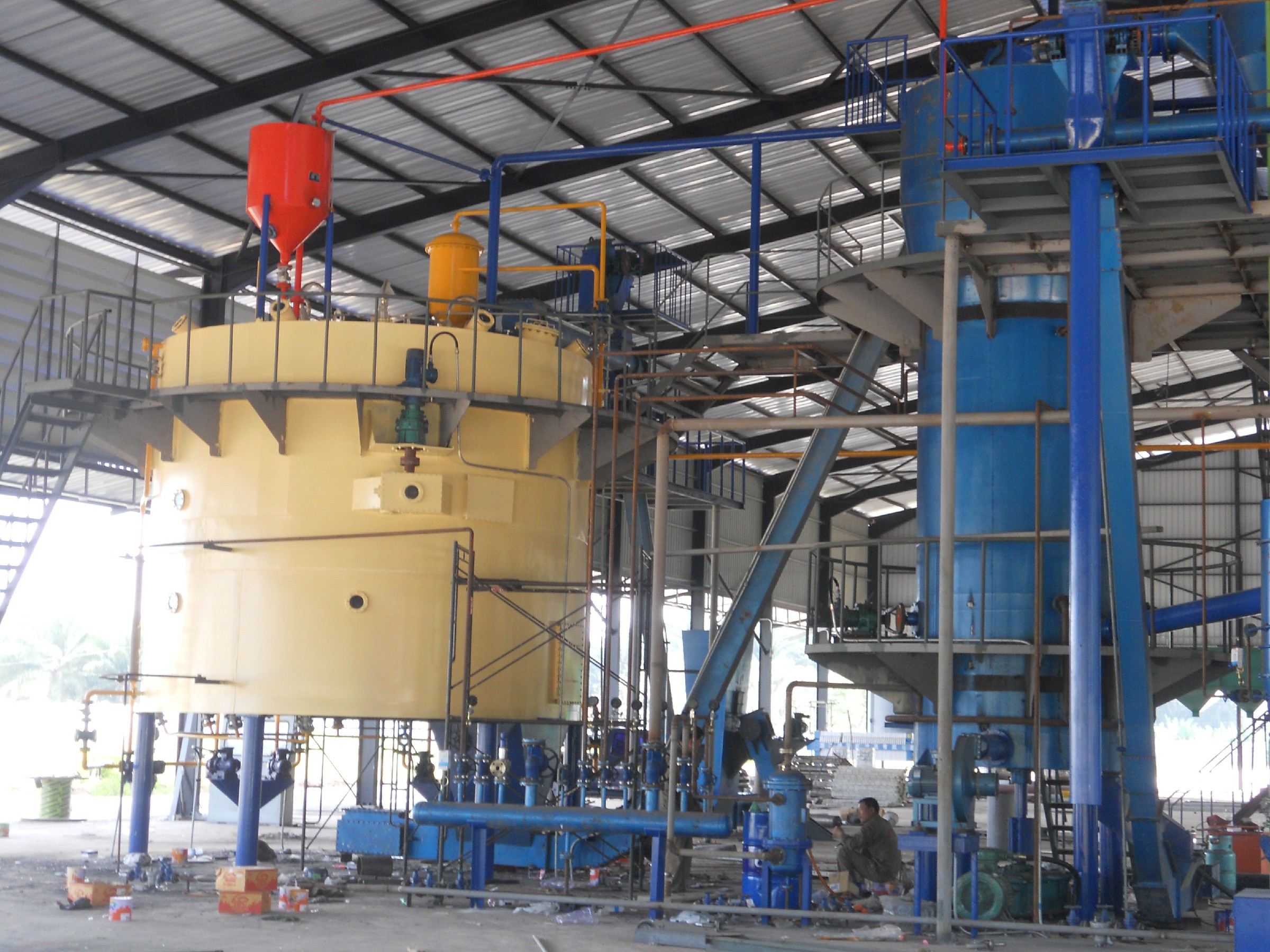
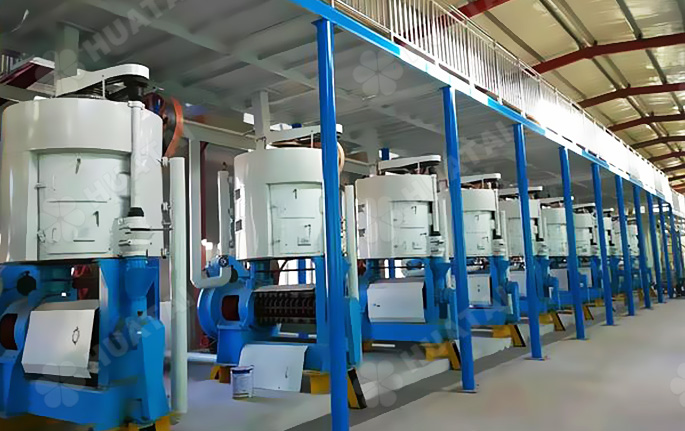
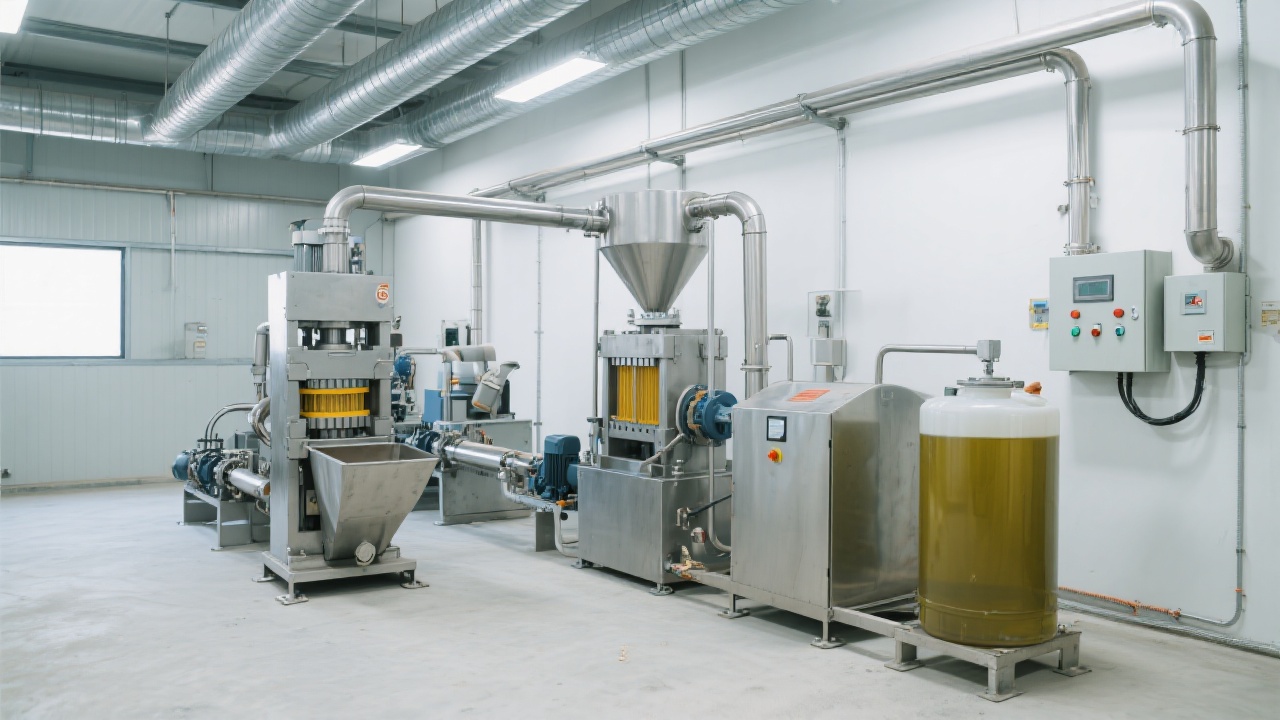
Production capacity demands vary greatly—from small family-operated mills to large industrial plants. Equipment selection should prioritize modular designs allowing easy capacity scaling. For instance, multi-stage pressing units combined with auxiliary pre-treatment modules can adapt from 1 ton/day to over 50 tons/day without major overhaul.
This flexibility minimizes upfront capital expenditure and supports stepwise expansion tied to market demand.
Field engineers frequently encounter issues such as uneven oil discharge, overheating, and equipment vibration. Typical root causes include raw material variability, incorrect press settings, or inadequate maintenance routines. Implementing predictive maintenance schedules and continuous operator training reduces downtime by up to 20%.
Troubleshooting charts integrated into plant control systems can alert users to parameter deviations, preventing production losses.
Q1: What is the ideal moisture content of corn germs before pressing?
A1: Maintaining 6–8% moisture optimizes extraction and prevents machinery clogging.
Q2: How critical is temperature control during pressing?
A2: Extremely critical; intelligent temperature control maintains 90-95°C for maximal yield and quality.
Q3: Can production scale affect oil quality?
A3: If equipment design is modular and flexible, oil quality remains consistent across scales.

 376
|
376
|
 energy-efficient soybean processing equipment
soybean flake equipment
solvent extraction technology
soybean nutritional assurance
soybean processing enterprise competitiveness
energy-efficient soybean processing equipment
soybean flake equipment
solvent extraction technology
soybean nutritional assurance
soybean processing enterprise competitiveness
 432
|
oil press machine operation guide
oilseed oil press maintenance
oil press energy management
fully automatic oil press techniques
small and medium oil mill optimization
432
|
oil press machine operation guide
oilseed oil press maintenance
oil press energy management
fully automatic oil press techniques
small and medium oil mill optimization
.jpg?x-oss-process=image/resize,h_300,m_lfit/format,webp) 313
|
plant and animal oil pressing technology
oil extraction efficiency improvement
advanced oil pressing techniques
oil production process optimization
small-scale oil pressing equipment
313
|
plant and animal oil pressing technology
oil extraction efficiency improvement
advanced oil pressing techniques
oil production process optimization
small-scale oil pressing equipment
 279
|
Peanut Oil Press Machine
Automatic Peanut Oil Press Machine
Cold Press Peanut Oil Extractor
High Efficiency Oil Extraction Machine
Soybean Oil Press Machine
Versatile Oil Press for Various Seeds
ISO9001 Certified Oil Press Machine
279
|
Peanut Oil Press Machine
Automatic Peanut Oil Press Machine
Cold Press Peanut Oil Extractor
High Efficiency Oil Extraction Machine
Soybean Oil Press Machine
Versatile Oil Press for Various Seeds
ISO9001 Certified Oil Press Machine