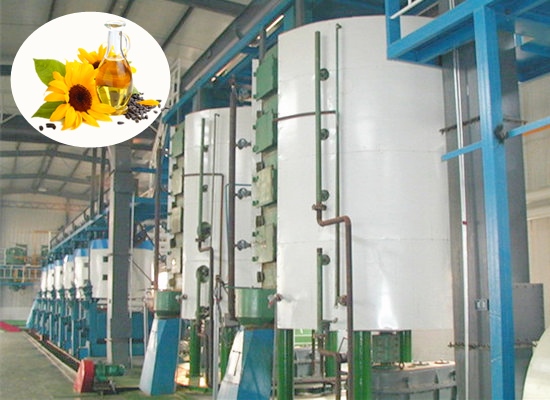
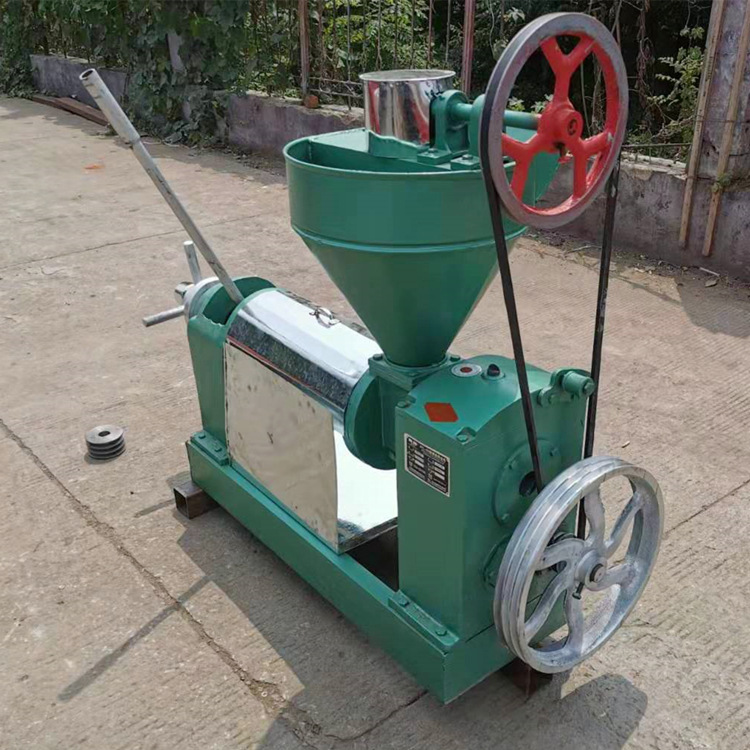
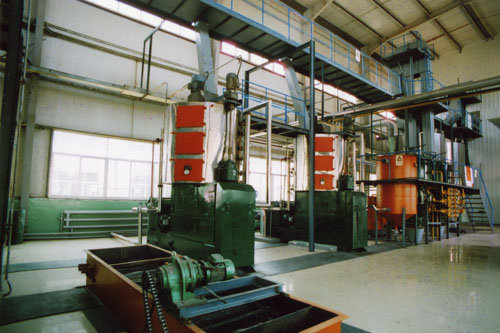
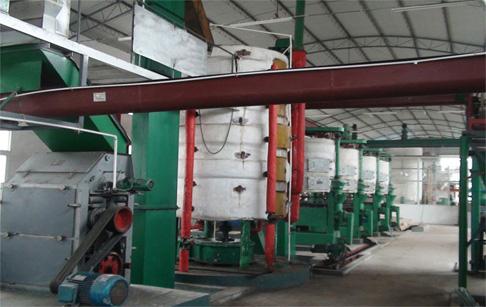
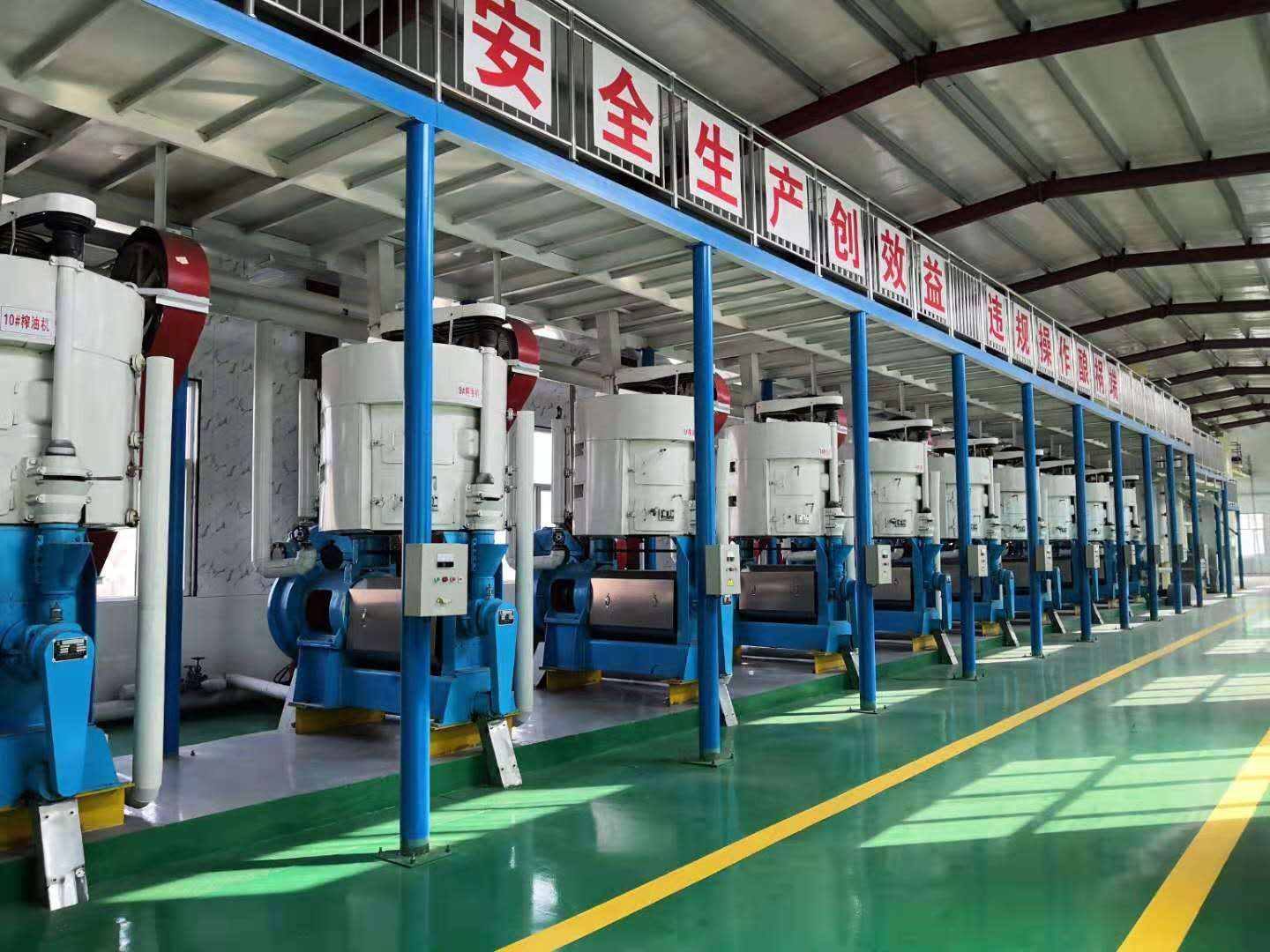
For mid-sized oil processing companies, selecting the right oil extraction machinery involves more than just upfront investment—it's a calculated decision that directly impacts long-term operational efficiency and product quality. This article explores the critical parameters such as extraction efficiency, energy consumption, ease of operation, versatility across oilseed types, multifunctionality, and material durability, guiding enterprises to make data-driven procurement choices.
Extraction efficiency remains the cornerstone of olive oil, soybean, sunflower, or other oilseed processing profitability. Modern machines achieve oil yields between 95% to 98%, thanks to progressive screw press designs and optimized pressing parameters. However, balancing high yield with energy consumption is essential. Typically, energy costs can account for up to 25% of overall production expenses. Selecting equipment with energy-efficient motors rated at <3 kW per 100 kg of processed seeds can reduce annual energy expenses by 10-15%, enhancing cost-effectiveness.
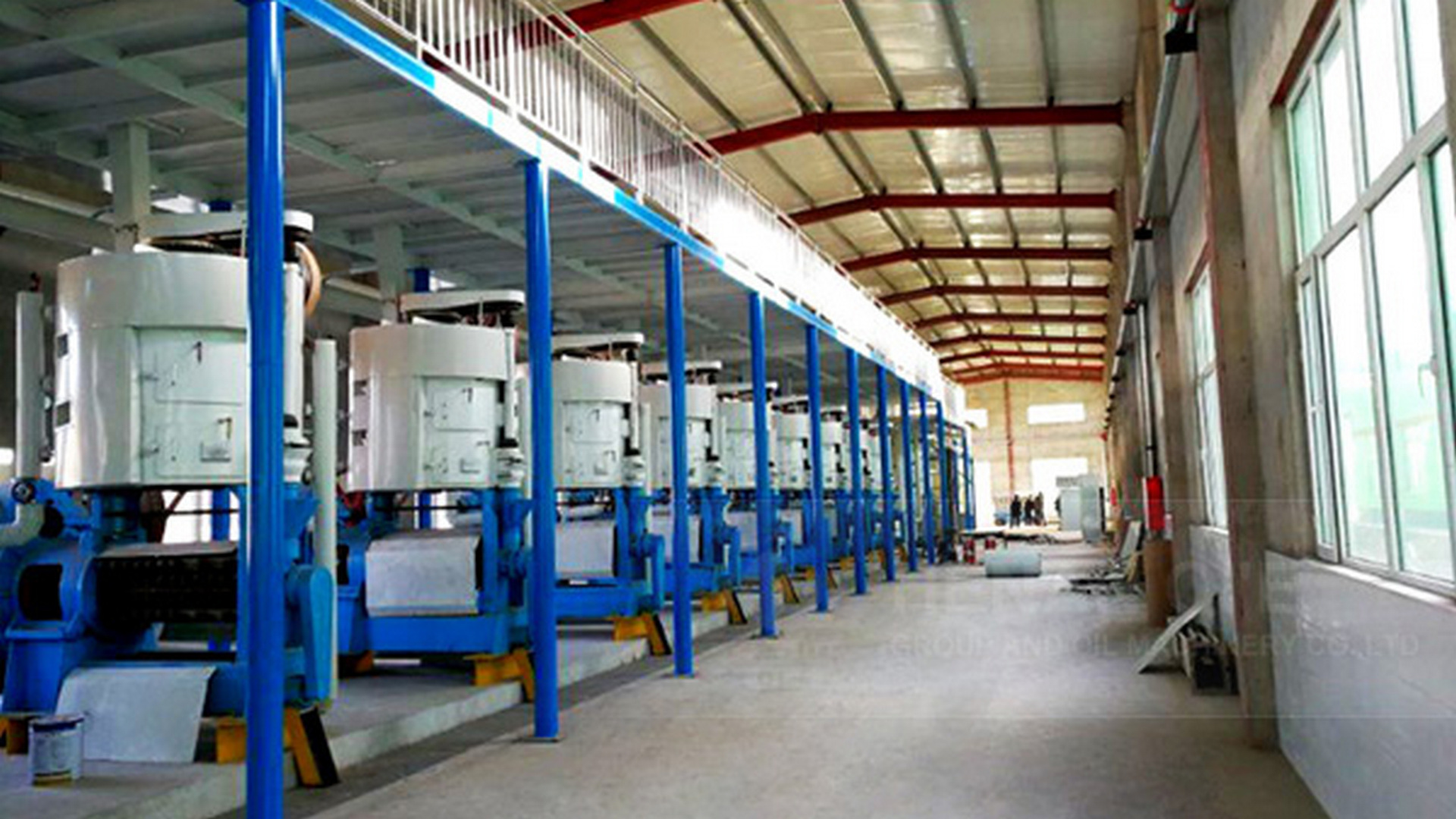
Ease of operation is a decisive factor for enterprises often constrained by limited technical staff or training budgets. Machines featuring automatic temperature control and self-cleaning capabilities minimize downtime and reduce operator errors. Moreover, multi-functional machines that accommodate a range of oilseeds—such as rapeseed, peanut, and sesame—enable businesses to diversify their product line without additional capital expenditure. Recent industry data indicates that equipment supporting 5+ oilseed varieties increases production flexibility by over 40%.
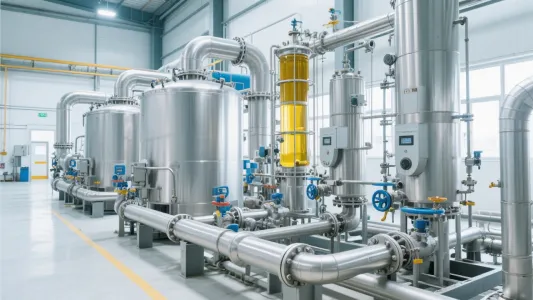
The longevity and maintenance cost of oil extraction machinery hinge significantly on build quality. Premium-grade stainless steel components resist corrosion and contamination, vital for food-grade oil processing. Additionally, machines integrating functions such as dehulling, pressing, and filtration streamline workflow and reduce footprint by 30–50%. According to recent market surveys, multifunctional equipment adoption is correlated with a 20% reduction in operational costs over five years.

Beyond hardware capabilities, selecting a supplier offering robust after-sales service and technical support is paramount. Warranty support of 12-24 months, accessible training modules, and responsive troubleshooting directly affect uptime and return on investment. Companies that engage suppliers with comprehensive servicing options report 15% faster resolution of operational issues, ensuring sustained production momentum.
| Key Factor | Performance Metric | Recommended Benchmark | Impact on Cost |
|---|---|---|---|
| Extraction Efficiency | 95% - 98% | Aim for >96% | High yield reduces raw material waste |
| Energy Consumption | <3 kW/100 kg seeds | Lower power usage preferred | Lowers operational energy costs |
| Material Quality | Food-grade stainless steel | SUS304 or higher | Longer lifespan, less downtime |
| Multi-Seed Compatibility | Supports 5+ seed types | Ensures operational flexibility | Enables market diversification |
| Supplier Support | 12-24 months warranty, training | Comprehensive post-sale care | Minimizes risk, maximizes uptime |
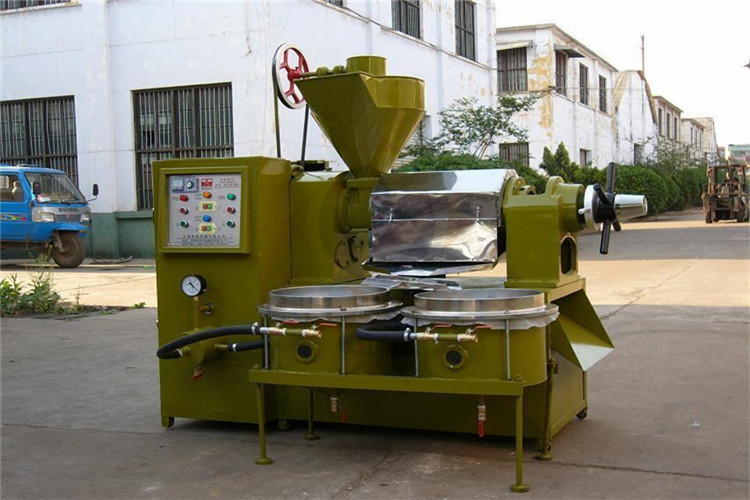
Employing a structured decision-making framework combining these benchmarks empowers mid-sized oil processing enterprises to align procurement strategies with production goals and budgetary constraints. It transforms ambiguity into actionable insights, promoting agility in an increasingly competitive global market.
 301
|
301
|
 energy-efficient peanut oil press machine
high-efficiency oil expeller
peanut oil production equipment
energy-efficient peanut oil press machine
high-efficiency oil expeller
peanut oil production equipment
 400
|
["low-energy peanut oil press"
"peanut oil extraction technology"
"high-yield oil pressing machine"
"energy-efficient oil processing equipment"
"advanced oil press system"]
400
|
["low-energy peanut oil press"
"peanut oil extraction technology"
"high-yield oil pressing machine"
"energy-efficient oil processing equipment"
"advanced oil press system"]
 199
|
Full Automatic Oil Press Machine
Peanut Oil Press Machine
High-Efficiency Oil Extraction Equipment
Automatic Oil Extraction Machine
Energy Saving Oil Press Equipment
Small Business Oil Press Machine
Home Use Oil Press Machine
Eco-Friendly Oil Press Equipment
Multi-Function Oil Press Machine
199
|
Full Automatic Oil Press Machine
Peanut Oil Press Machine
High-Efficiency Oil Extraction Equipment
Automatic Oil Extraction Machine
Energy Saving Oil Press Equipment
Small Business Oil Press Machine
Home Use Oil Press Machine
Eco-Friendly Oil Press Equipment
Multi-Function Oil Press Machine
 399
|
seed preprocessing production line for oilseeds
versatile oilseed processing solution
customizable vegetable oil production equipment
399
|
seed preprocessing production line for oilseeds
versatile oilseed processing solution
customizable vegetable oil production equipment
 88
|
peanut oil export quality control
green production in food processing
automated peanut oil press machine
HACCP certification for oils
environmental compliance in food manufacturing
88
|
peanut oil export quality control
green production in food processing
automated peanut oil press machine
HACCP certification for oils
environmental compliance in food manufacturing