For B2B buyers, purchasing edible oil refining equipment is not only about selecting a machine, but also about matching process requirements, plant conditions, compliance needs, and long-term operating expectations. Qi'e Grain and Oil Machinery Co., Ltd. supports buyers with refining equipment and engineering-oriented guidance so each project can be evaluated on practical, production-ready criteria.
Edible oil refining equipment is part of a complete production chain. When the equipment configuration, process design, and operational targets are not aligned, the result can be unstable output, avoidable downtime, or added adjustment costs after installation. A careful review before purchase helps buyers compare options more accurately and select a solution that fits the intended production scale and oil type.
As a manufacturer focused on oil pressing equipment, oil production line equipment, and oil refining equipment, Qi'e Grain and Oil Machinery Co., Ltd. emphasizes practical matching rather than generic recommendations. This approach is especially important for buyers in Asia, Africa, and South America, where plant conditions, utility availability, and project budgets can vary widely.
One of the most common mistakes is choosing refining equipment based on price or appearance alone, without checking whether the configuration matches the planned production capacity, raw oil condition, or final product requirements. A system that is too small may restrict output, while an oversized line may increase investment and operating costs unnecessarily.
A reliable purchasing process should confirm the following points:
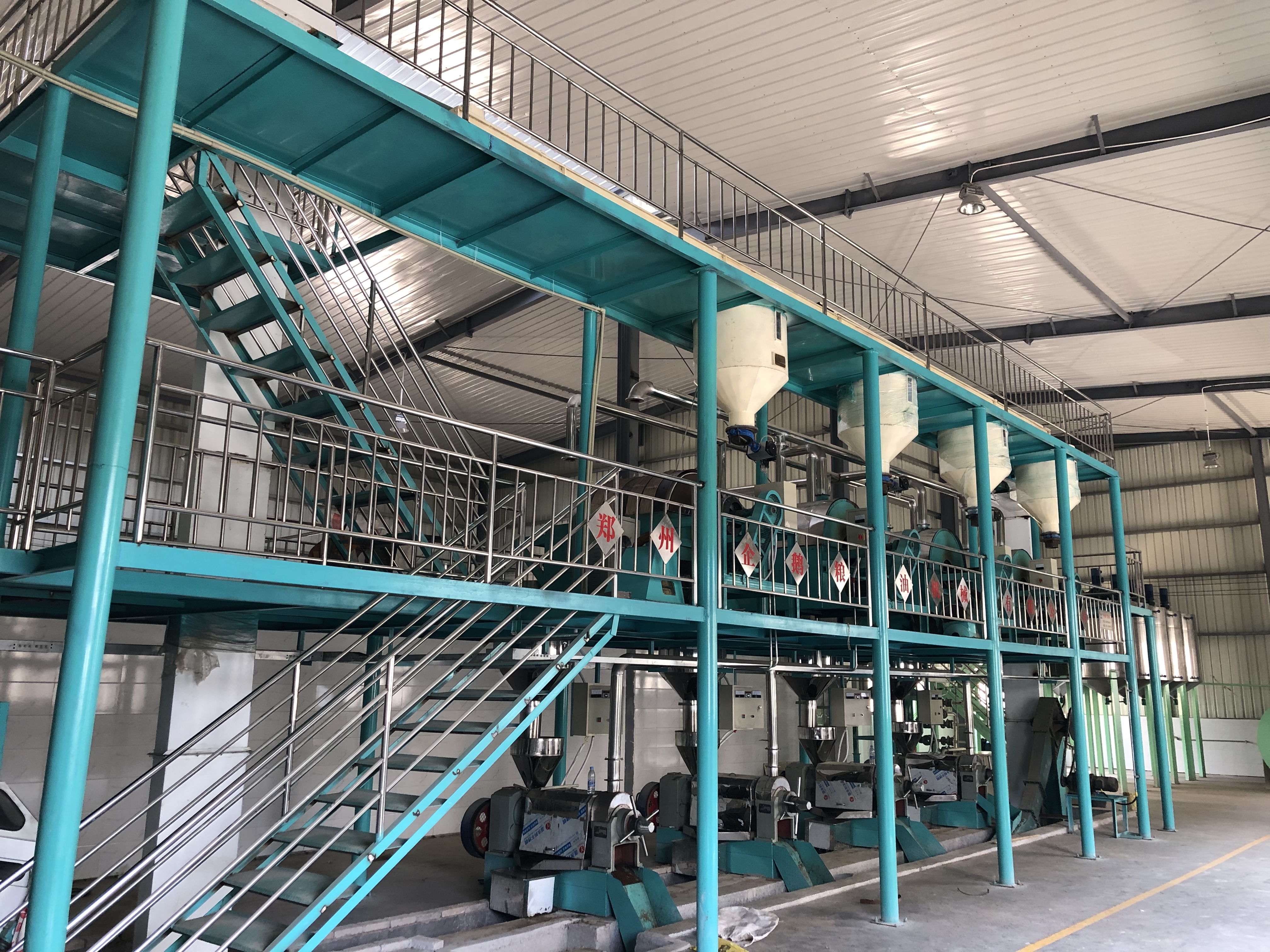
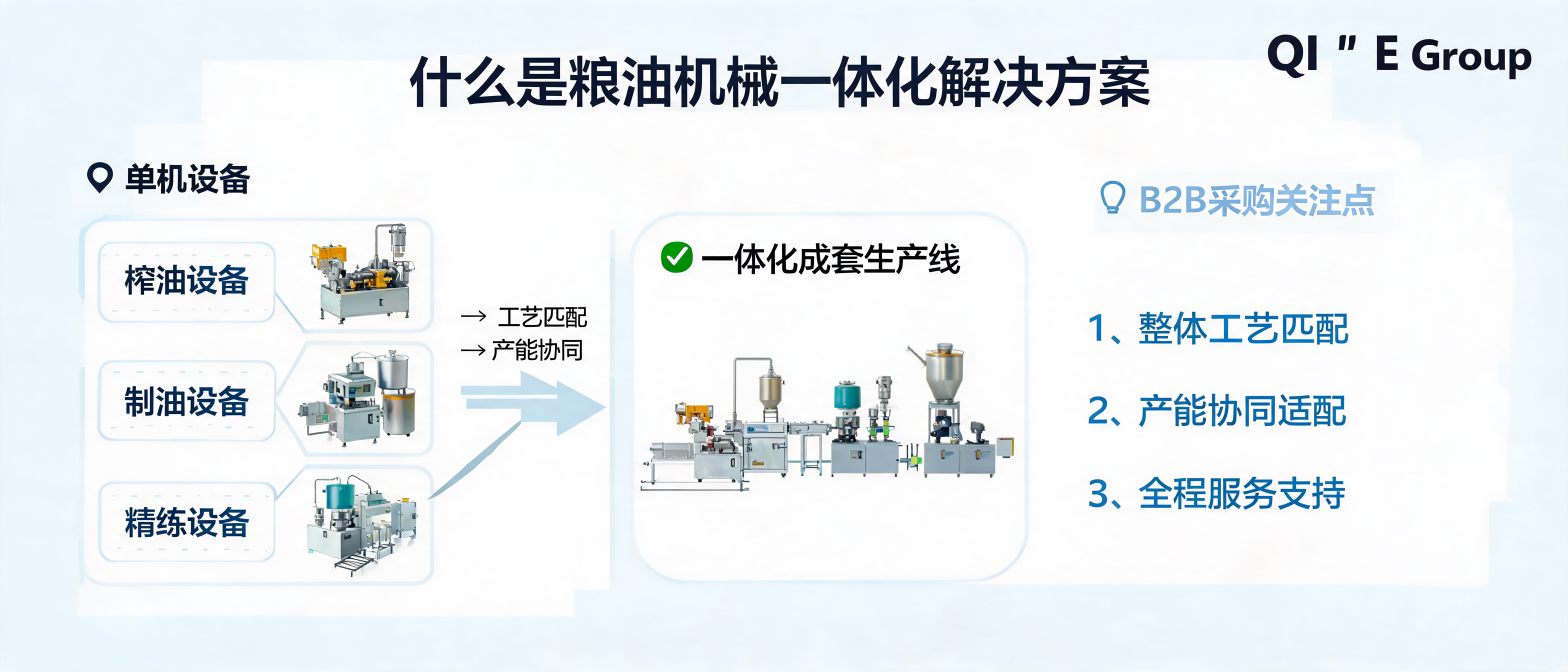
Refining equipment should be viewed as part of a complete workflow, not as a single isolated machine. When key stages are missing or poorly coordinated, the line may not perform as expected. Buyers should confirm whether the proposed solution covers the necessary steps for the intended application, including pre-treatment, refining, and supporting functions where applicable.
Qi'e Grain and Oil Machinery Co., Ltd. provides not only equipment, but also design, installation, and technical service support. For project owners, this integrated approach helps reduce the risk of fragmented procurement and improves consistency across the production line.
Environmental compliance and site operation requirements should be considered early in the procurement stage. Depending on the plant location and project scope, buyers may need to pay attention to emissions control, utility usage, wastewater handling, and overall workshop conditions. If these elements are ignored, later modifications may increase time and cost.
Ask whether the equipment layout, exhaust handling, water and power requirements, and installation conditions are suitable for the current site. A professional supplier should be able to discuss these points clearly and provide a proposal that fits the project environment.
Automation can improve consistency and reduce manual intervention, but the best choice depends on the buyer’s production plan, labor conditions, and management capacity. Some projects benefit from a higher degree of automation, while others may require a simpler structure that is easier to maintain locally.
The key is not to select the most advanced system by default, but to choose an automation level that supports stable operation, staff training, and future expansion. For B2B buyers, this balance often has more long-term value than a purely feature-driven purchase decision.
After-sales support is an essential part of equipment procurement, especially for international buyers who need dependable installation guidance, troubleshooting support, and spare parts planning. A machine with unclear service terms may create delays during startup or future maintenance.
A good supplier should be able to explain what support is available before, during, and after delivery, and how technical assistance will be handled across the project lifecycle.
| Evaluation area | What to confirm | Why it matters |
|---|---|---|
| Configuration matching | Capacity, oil type, and production goals | Helps avoid under-sizing or over-investment |
| Process chain completeness | Whether all required stages are included | Supports stable production flow |
| Environmental requirements | Site conditions, utilities, and compliance needs | Reduces later modification risk |
| Automation level | Operator capacity and maintenance capability | Improves practical usability |
| After-sales support | Installation, service response, and spare parts planning | Supports long-term operation |
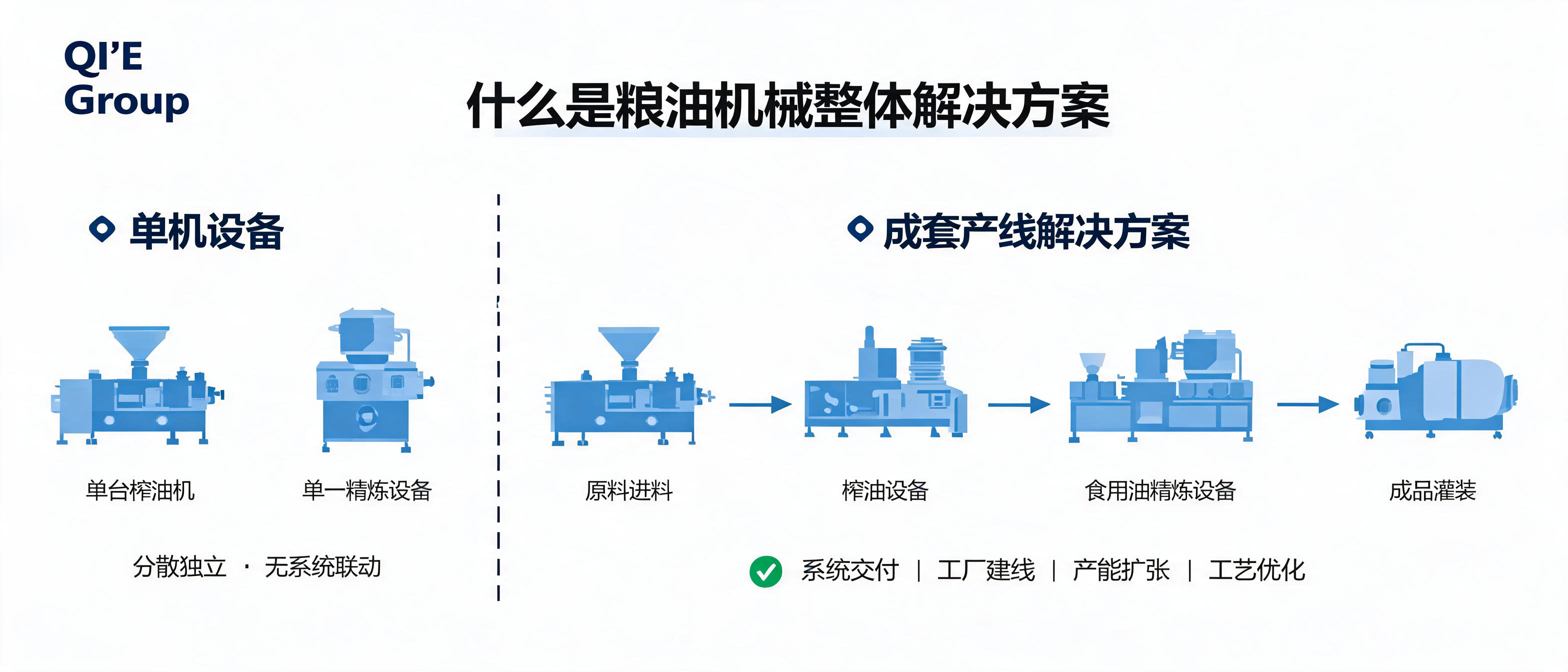
We help buyers review refining equipment from a system perspective, not just a single-machine perspective.
Our portfolio covers oil pressing equipment, oil production line equipment, and oil refining equipment.
From design to installation and technical service, we support project continuity throughout the lifecycle.
Before buying edible oil refining equipment, confirm your process goals, site conditions, automation expectations, and service needs. When these factors are reviewed together, the procurement decision becomes more practical, more transparent, and better aligned with long-term production planning. Qi'e Grain and Oil Machinery Co., Ltd. is ready to support that process with dependable equipment and professional project guidance.

 373
|
373
|
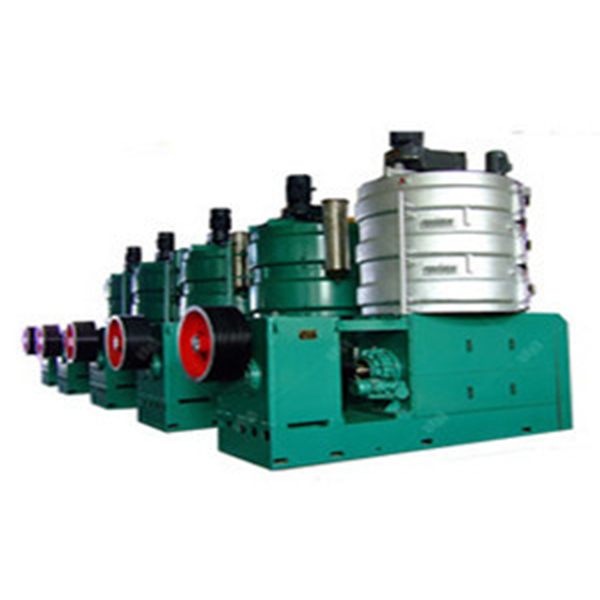
 screw cold press
multi - oil crop processing
oil crop pre - treatment
oil press technical parameters
small oil mill equipment
screw cold press
multi - oil crop processing
oil crop pre - treatment
oil press technical parameters
small oil mill equipment
 224
|
Qi'e Grain and Oil Machinery Co., Ltd.
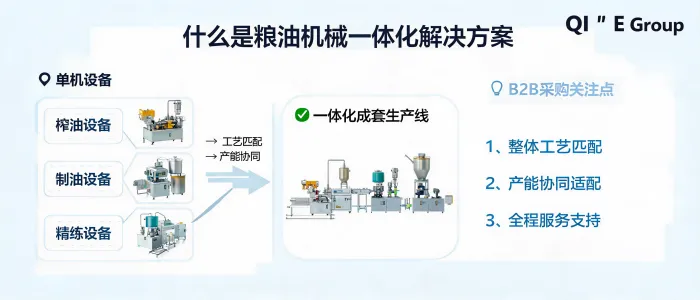
integrated grain and oil machinery solution
oil pressing equipment
complete production line
B2B procurement
224
|
Qi'e Grain and Oil Machinery Co., Ltd.
integrated grain and oil machinery solution
oil pressing equipment
complete production line
B2B procurement
.jpg?x-oss-process=image/resize,h_300,m_lfit/format,webp) 451
|
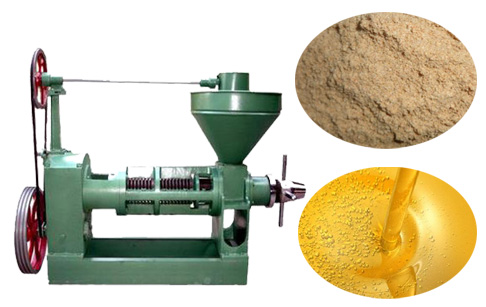
multifunctional oil press machine
soybean oil yield
efficient oil pressing technology
grain and oil processing equipment
eco-friendly oil press equipment
451
|
multifunctional oil press machine
soybean oil yield
efficient oil pressing technology
grain and oil processing equipment
eco-friendly oil press equipment
 306
|
cold and hot press integrated machine
home oil press operation
small workshop oil pressing equipment
multi-functional oil press maintenance
vegetable oil extraction technology
306
|
cold and hot press integrated machine
home oil press operation
small workshop oil pressing equipment
multi-functional oil press maintenance
vegetable oil extraction technology
 491
|
Qi'e Grain and Oil Machinery Co., Ltd.
overseas project delivery
grain and oil processing equipment
installation and commissioning
technical service
491
|
Qi'e Grain and Oil Machinery Co., Ltd.
overseas project delivery
grain and oil processing equipment
installation and commissioning
technical service





.jpg)

.jpg)