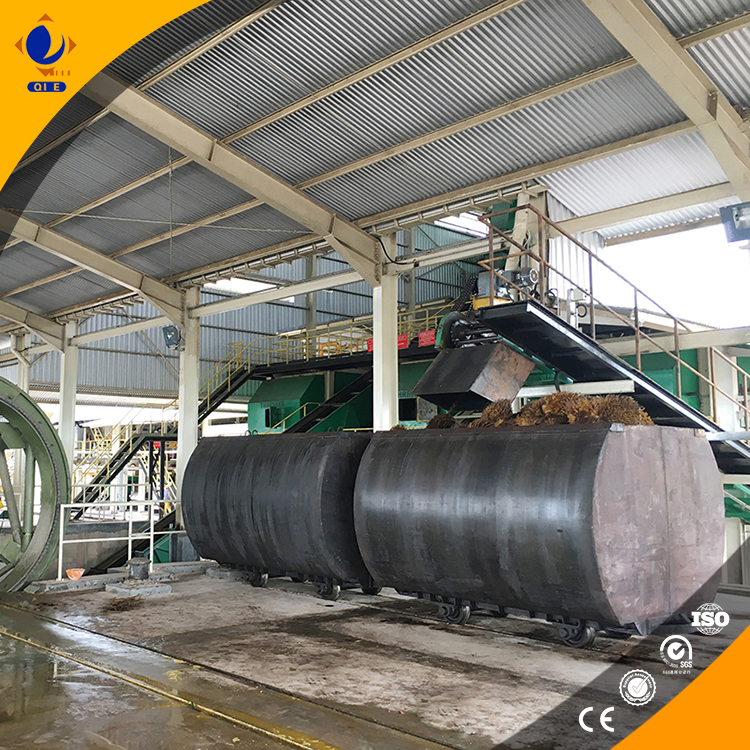
For food processors and oilseed manufacturers, maximizing yield while maintaining quality is critical—especially when working with corn germ, a high-value raw material rich in oil (typically 35–45% by weight). Whether you're running a small-scale pilot line or a full industrial facility, the right configuration of your corn germ oil press can mean the difference between average output and industry-leading efficiency.
Successful extraction starts long before the press itself. Proper pre-treatment—such as drying (to reduce moisture content to 6–8%) and conditioning (temperature control at 55–65°C)—can improve oil recovery by up to 12%, according to field data from Chinese and Indian processing plants. This sets the stage for consistent performance across different production scales.
Modern systems now integrate smart temperature regulation modules that automatically adjust based on ambient conditions and feedstock consistency. For example, one case study from a 10-ton/day facility showed that using adaptive thermal feedback reduced energy consumption by 18% and increased first-pass oil yield from 78% to 85% over six months.
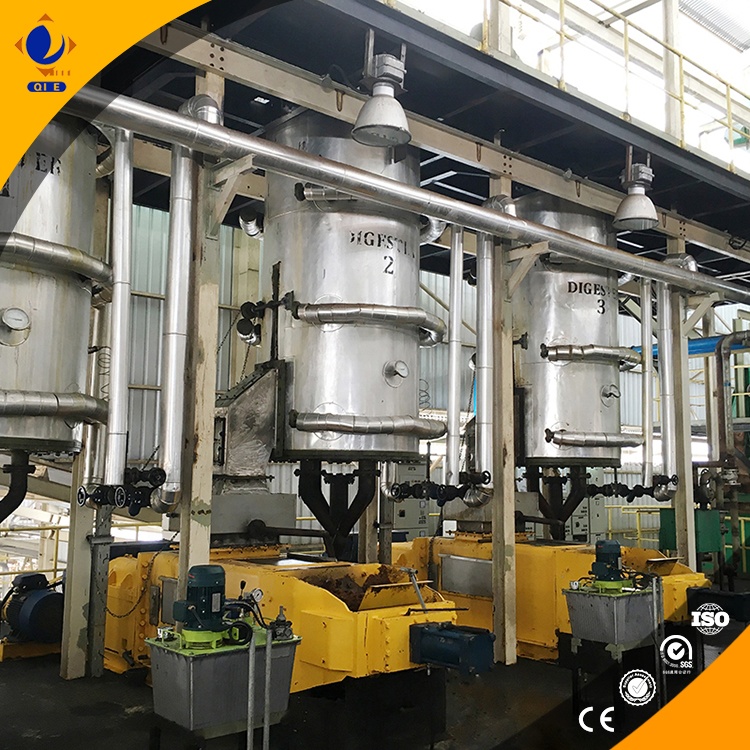
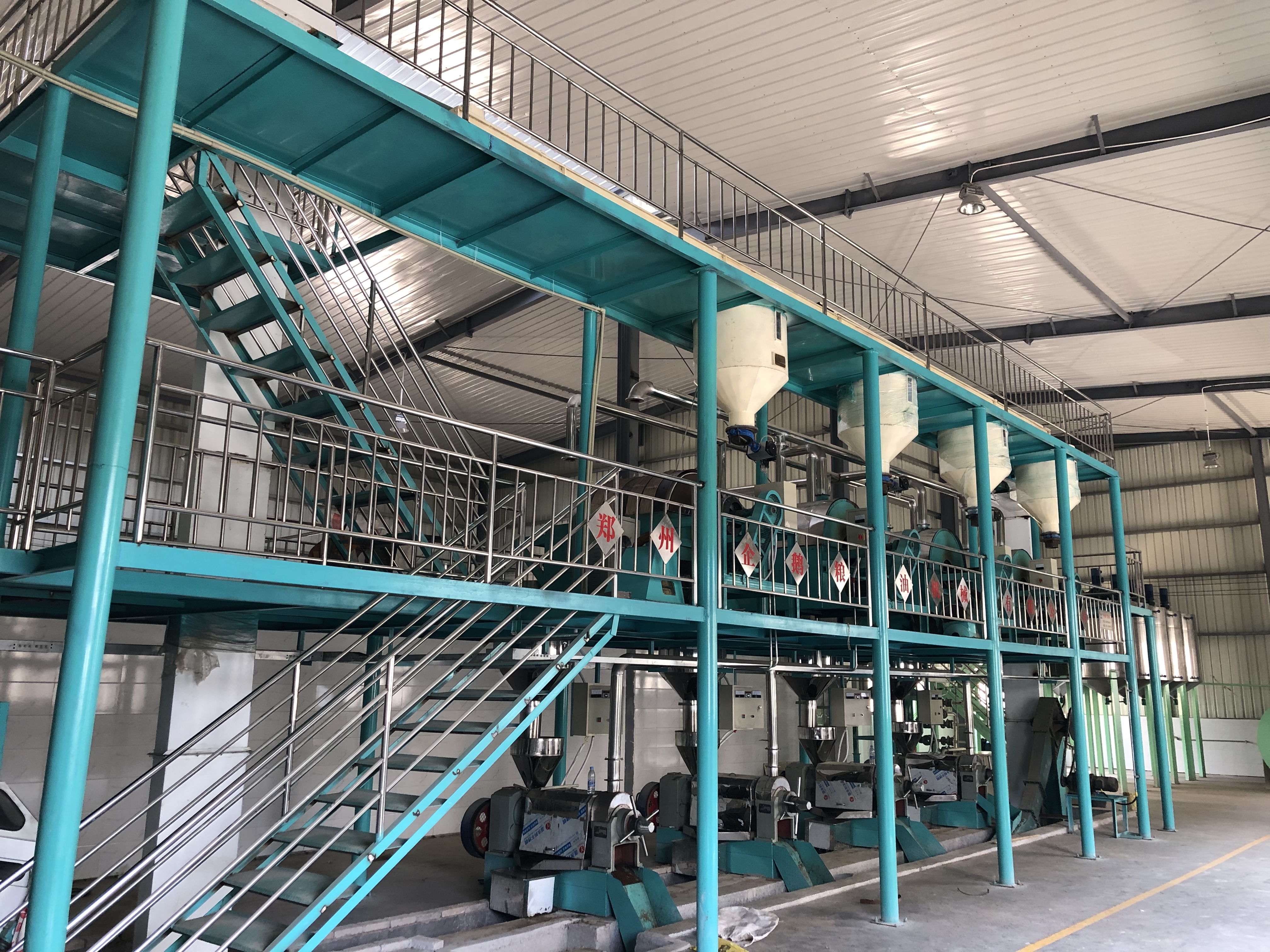
In smaller setups (<5 tons/day), single-stage screw presses with manual pressure control are cost-effective and easy to operate. However, larger operations (>20 tons/day) benefit significantly from multi-stage hydraulic presses paired with automated control systems. These configurations not only boost throughput but also ensure uniform cake moisture levels—key for downstream refining steps like filtration and degumming.
A real-world comparison revealed that a mid-sized plant upgrading from batch to continuous pressing saw a 27% reduction in labor costs and a 15% increase in daily capacity within three months. The key? Precise parameter tuning: optimal pressure (12–15 MPa), retention time (10–15 minutes), and temperature gradients tailored to each batch.
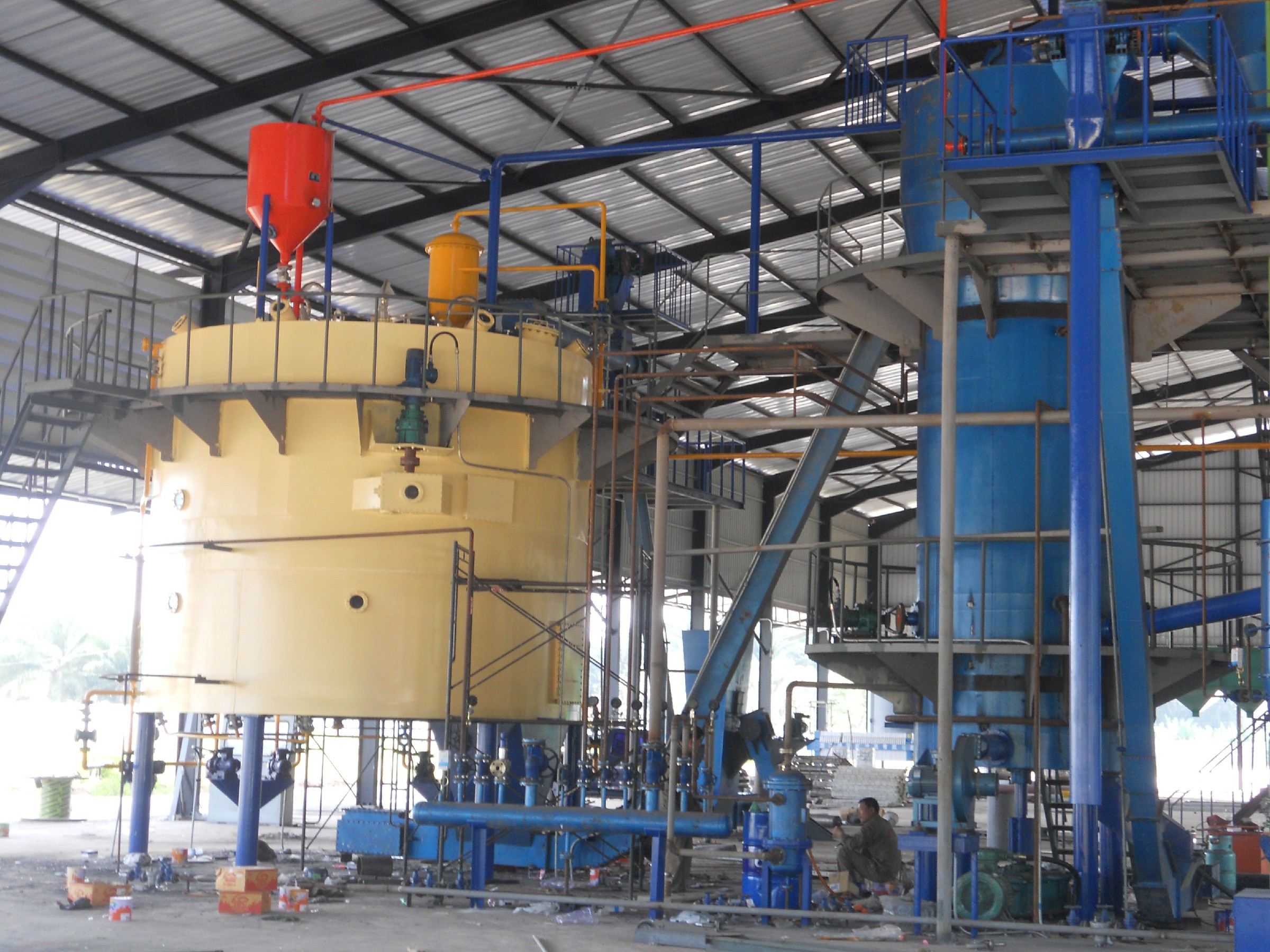
One frequent mistake? Overloading the press with wet or improperly conditioned germ. This leads to clogging, inconsistent pressure, and lower yields. Another issue: ignoring the importance of post-press cooling. Without proper heat dissipation, oil oxidation increases—leading to shorter shelf life and potential rejection by premium buyers.
Our technical team has documented over 30 common operational errors across 12 countries—from misaligned rollers in Brazil to incorrect lubrication schedules in Germany. Each was resolved through standardized checklists and digital monitoring tools, proving that proactive maintenance matters just as much as machine specs.
If you’re looking to optimize your current system—or plan a new installation—we’ve compiled detailed technical guides, including pressure curves, temperature profiles, and troubleshooting matrices. These resources are free for qualified B2B partners and can be downloaded directly via our online portal.

 349
|
349
|
 high-efficiency peanut oil press machine
technical principles unveiled
advantages of peanut oil press machines
intelligent control system
high processing capacity
high oil yield rate
ISO9001 standard
after-sales support
high-efficiency peanut oil press machine
technical principles unveiled
advantages of peanut oil press machines
intelligent control system
high processing capacity
high oil yield rate
ISO9001 standard
after-sales support
 242
|
multi-functional peanut oil refining equipment
food safety compliant peanut oil refining solutions
peanut oil refining equipment for large and small enterprises
242
|
multi-functional peanut oil refining equipment
food safety compliant peanut oil refining solutions
peanut oil refining equipment for large and small enterprises
 139
|
Efficient Soybean Oil Refining Equipment
QIE Group Soybean Oil Refinery
High-Quality Soybean Oil Processing Equipment
Automated Soybean Oil Refining Machine
Energy-Efficient Soybean Oil Refinery
ISO9001 Soybean Oil Refining Equipment
Eco-Friendly Soybean Oil Refining Solutions
Versatile Soybean Oil Processing Equipment
Soybean Oil Production Technology
Comprehensive Soybean Oil Refining Services
139
|
Efficient Soybean Oil Refining Equipment
QIE Group Soybean Oil Refinery
High-Quality Soybean Oil Processing Equipment
Automated Soybean Oil Refining Machine
Energy-Efficient Soybean Oil Refinery
ISO9001 Soybean Oil Refining Equipment
Eco-Friendly Soybean Oil Refining Solutions
Versatile Soybean Oil Processing Equipment
Soybean Oil Production Technology
Comprehensive Soybean Oil Refining Services
 386
|
Peanut Oil Press Machine
Automatic Peanut Oil Production Line
High Yield Peanut Oil Press
Peanut Oil Processing Equipment
Energy Efficient Peanut Oil Machine
ISO9001 Peanut Oil Production
Industrial Peanut Oil Press
Green Peanut Oil Processing
Peanut Oil Production Technology
Quality Peanut Oil Equipment
386
|
Peanut Oil Press Machine
Automatic Peanut Oil Production Line
High Yield Peanut Oil Press
Peanut Oil Processing Equipment
Energy Efficient Peanut Oil Machine
ISO9001 Peanut Oil Production
Industrial Peanut Oil Press
Green Peanut Oil Processing
Peanut Oil Production Technology
Quality Peanut Oil Equipment
 437
|
peanut oil quality control
environmental regulations 2024
automatic peanut oil press machine
ISO 22000 certification
green manufacturing process
437
|
peanut oil quality control
environmental regulations 2024
automatic peanut oil press machine
ISO 22000 certification
green manufacturing process