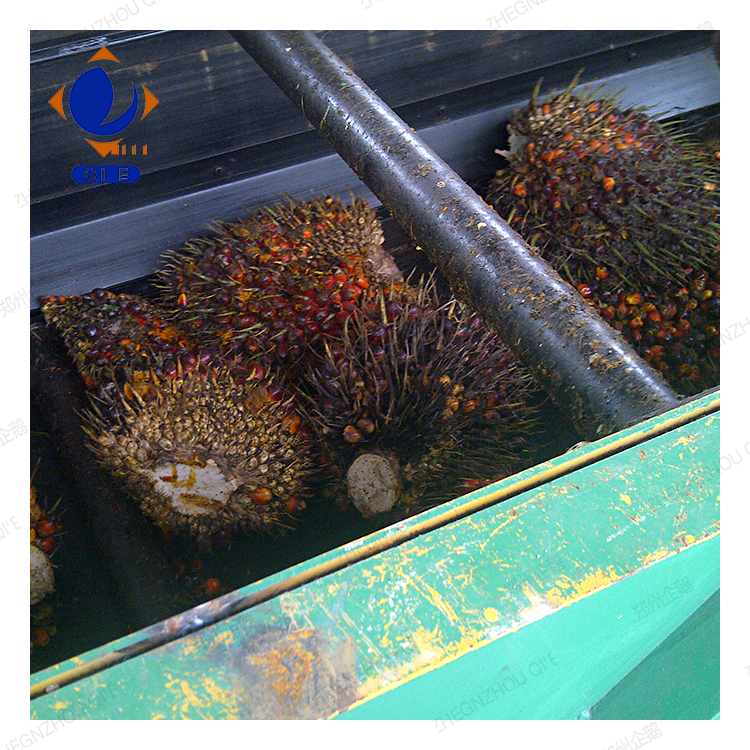
Navigating the choice of oil pressing equipment presents a critical challenge for small and medium-sized oil enterprises striving for growth while managing cost efficiency. The balance between high extractive efficiency and low energy consumption shapes production performance and profitability. This article dissects the essential criteria for selecting energy-efficient oil pressing machines, integrating the latest industry advancements and practical insights.
When evaluating pressing machinery, enterprises should prioritize the following attributes to maximize output and maintain product quality:
Pressing efficiency directly impacts yield and profitability. Modern presses incorporate advanced worm shaft designs and heating systems optimized for uniform temperature distribution, resulting in an average extraction rate increase of 5-7% compared to conventional equipment. Moreover, innovations such as variable frequency drives (VFDs) allow sensitive power adaptability, reducing energy consumption without compromising throughput.
| Parameter | Traditional Press | Modern Energy-Efficient Press |
|---|---|---|
| Oil Extraction Rate (%) | 90-93 | 95-98 |
| Energy Consumption (kWh/ton) | 60-70 | 40-50 |
| Automation Level | Low | High |
Equipment that supports a broad spectrum of raw materials gives manufacturers the flexibility to adapt to market demands. For instance, presses equipped with adjustable screw pitch and temperature controls handle seeds ranging from oily nuts to fibrous kernels. Metals sourced must meet food-grade certification standards such as FDA or EU regulations to avoid contamination and ensure consumer safety.
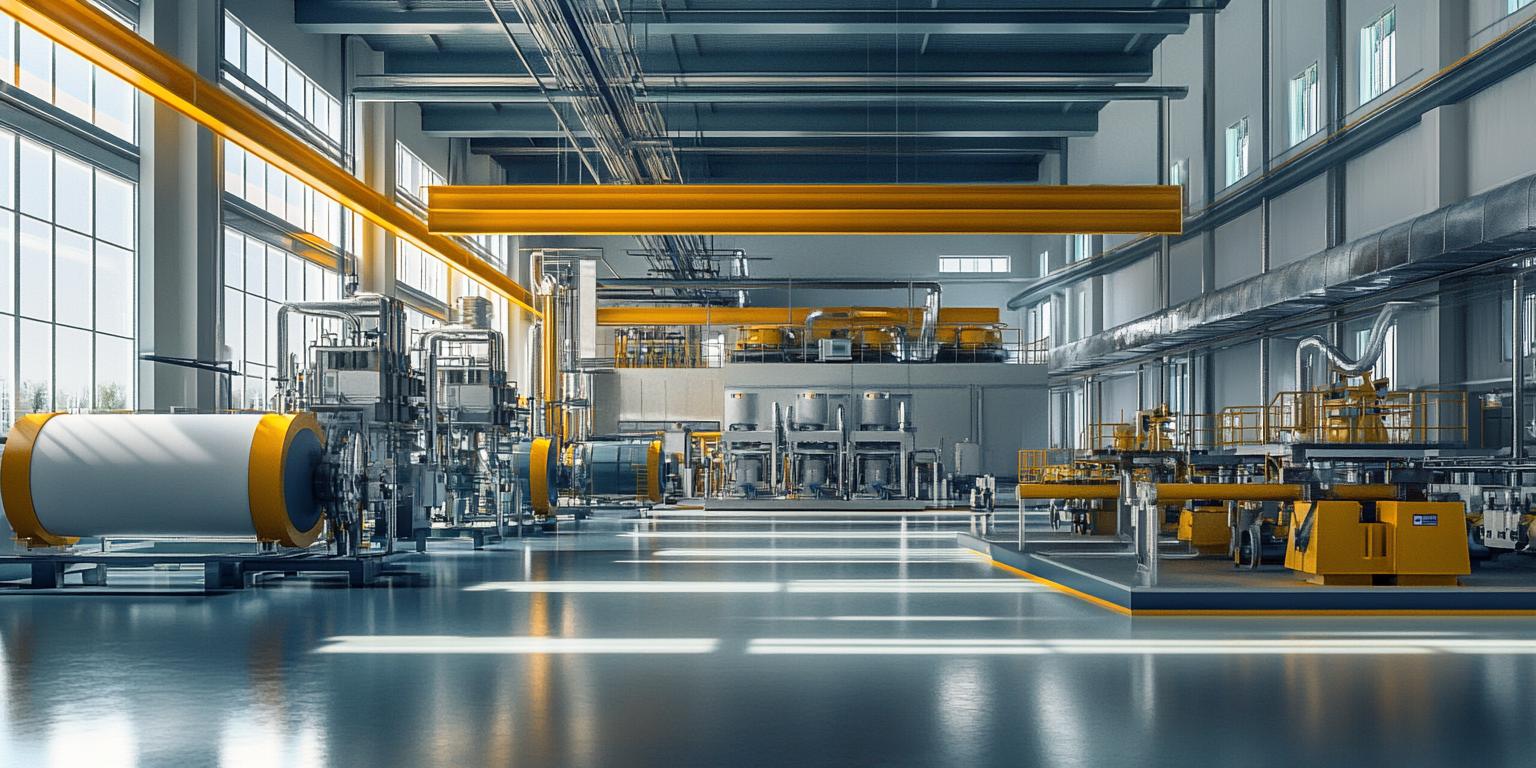
Recent implementations of the latest generation presses have shown tangible results: a mid-sized enterprise reported a 12% reduction in raw material usage with a corresponding 15% cut in electricity bills after upgrading technology. Market trends increasingly favor multi-stage pressing processes and integrated heat recovery systems to align production with sustainability goals and regulatory policies.
The stability of operations hinges not solely on equipment but also on reliable after-sales service. Comprehensive support includes installation guidance, routine maintenance, remote diagnostics, and prompt spare parts supply. Vendors with established service networks reduce downtime risks and enhance lifecycle value. Choose suppliers who offer transparent warranties and responsive technical teams.
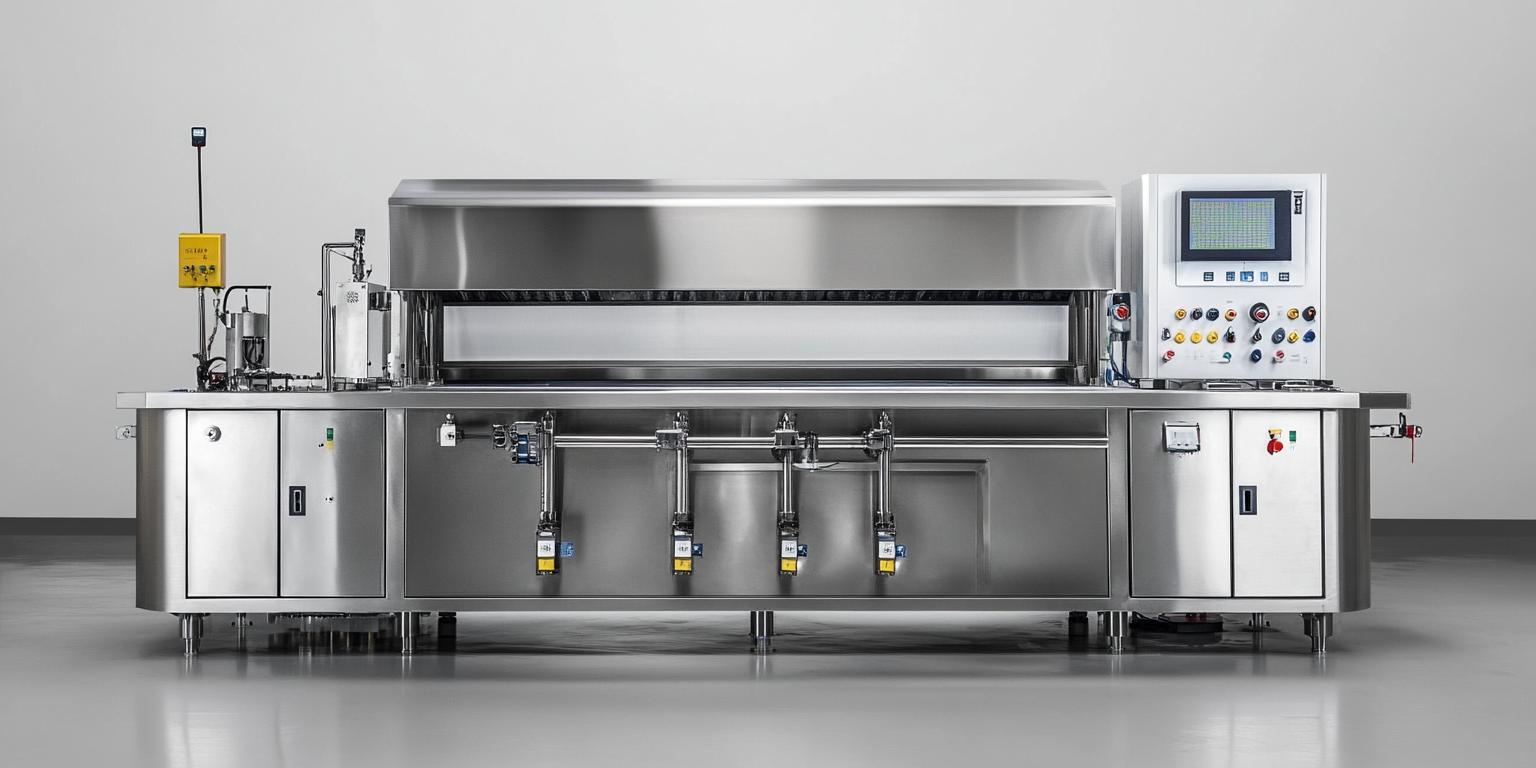
Multifunctional devices that combine pressing, filtering, and residual cake processing enhance operational efficiency by minimizing manual transfer and contamination. Automation modules can reduce labor needs by approximately 20%, accelerating throughput while maintaining consistent oil quality.
| Function | Benefit |
|---|---|
| Oil Pressing | High extraction rates, reduced waste |
| Oil Filtering | Improved oil clarity and shelf-life |
| Cake Processing | Increased by-product value |