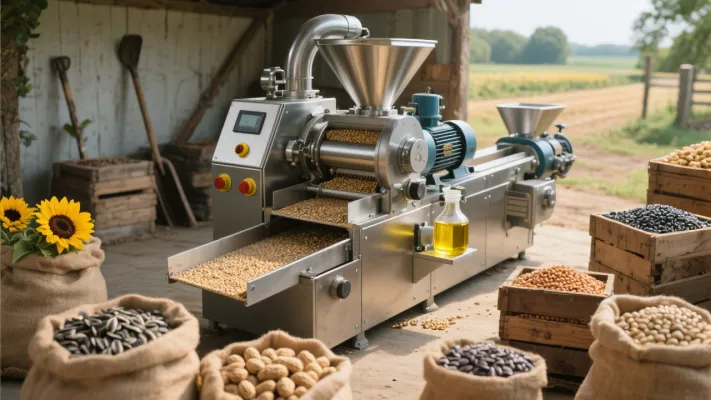
In the competitive world of edible oil production, corn germ oil is gaining recognition for its rich content of vitamin E, polyunsaturated fats, and natural antioxidants—making it a premium choice in health-conscious markets across Europe, North America, and Southeast Asia.
Unlike chemical extraction methods that may degrade sensitive nutrients, physical pressing preserves the integrity of bioactive compounds. When properly executed, this method can yield up to 92–95% oil recovery from high-quality corn germ, compared to 75–80% with conventional mechanical presses (Source: FAO Food Processing Manual, 2022).
The key lies in precise temperature control during the pressing phase. Research shows that maintaining a core press temperature between 65°C and 75°C maximizes oil flow while minimizing thermal degradation of essential fatty acids like linoleic acid—a critical factor in preserving both flavor and shelf life.
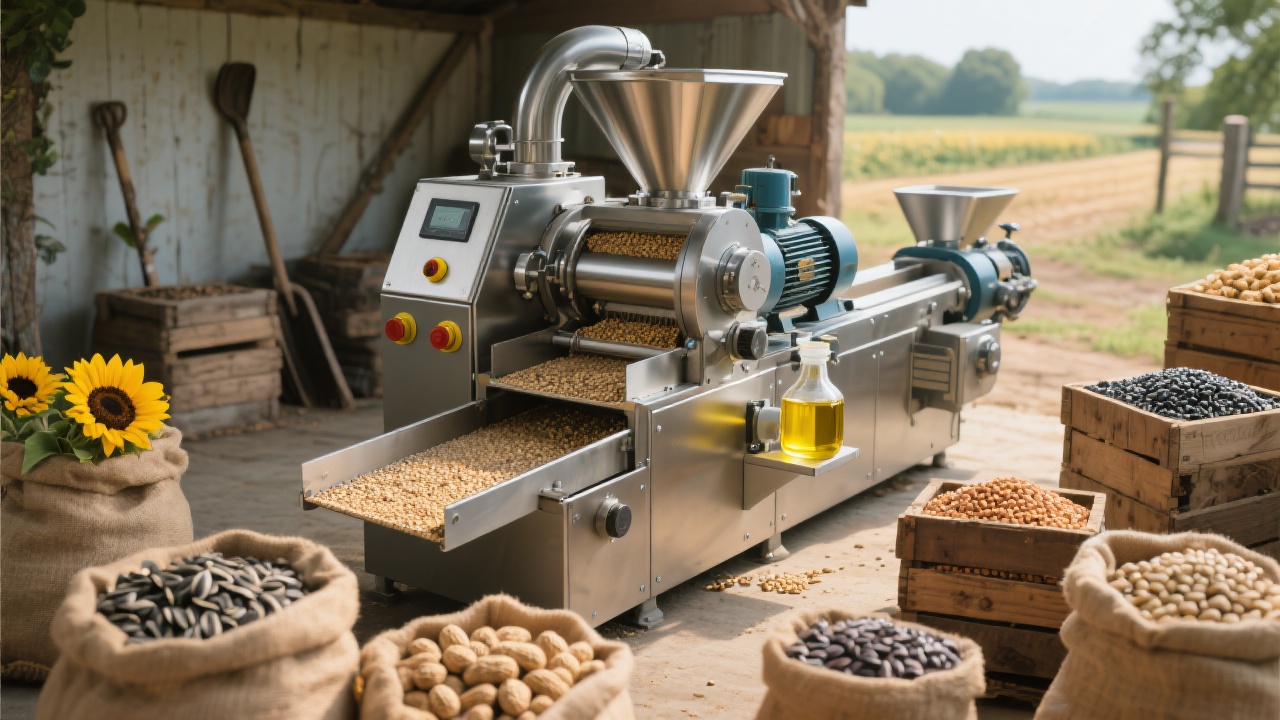
Traditional presses often operate at inconsistent temperatures due to manual adjustments or outdated heating systems. This variability leads to uneven oil extraction, increased residue moisture, and potential oxidation risks—especially when processing large batches.
Modern smart systems integrate PID controllers, infrared sensors, and automated cooling loops to maintain optimal pressure-temperature balance throughout the process. A case study from a leading Malaysian oil mill reported a 12% increase in daily output and a 18% improvement in oxidative stability (measured by Rancimat test) after implementing such technology.
To ensure consistent performance:
These simple yet effective practices help avoid common pitfalls such as overheating, fiber contamination, and reduced throughput—all of which directly impact profitability and product reputation.
Pro Tip: Document your operating parameters in a logbook. Over time, these records become invaluable for troubleshooting, scaling production, and training new staff.

As global demand for clean-label, cold-pressed oils rises, manufacturers who invest in intelligent pressing technologies are not only meeting market expectations—they’re setting new standards for quality, consistency, and sustainability.





