
For global exporters in the edible oil industry, achieving consistent high yield and superior quality is no longer just a goal—it's a competitive necessity. Modern physical pressing techniques, especially when integrated with intelligent temperature control systems, are transforming how corn germ oil and other vegetable oils are processed. According to industry data from FAO (2023), optimized press parameters can increase oil extraction efficiency by up to 12–15% while preserving more than 90% of natural antioxidants like tocopherols.
In traditional mechanical pressing, heat buildup during processing often leads to nutrient degradation and off-flavors—especially critical for premium products like cold-pressed corn germ oil. With smart thermal regulation, operators can maintain optimal press chamber temperatures between 45°C–55°C, which not only prevents enzymatic breakdown but also enhances oil clarity and shelf life. A case study at a Malaysian exporter showed that switching to real-time temperature monitoring increased customer satisfaction scores by 27% over six months.
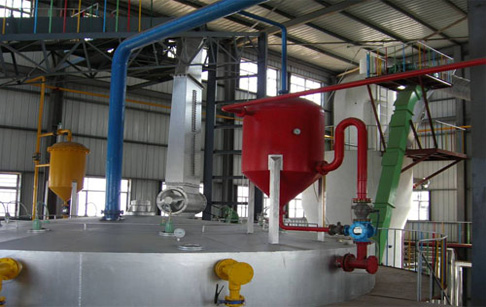
Here’s what experienced technicians know:
These adjustments aren’t one-size-fits-all—they must be fine-tuned based on local crop variability and seasonal changes. For example, Brazilian producers saw a 9% improvement in yield after adjusting feed rates seasonally using historical performance logs.
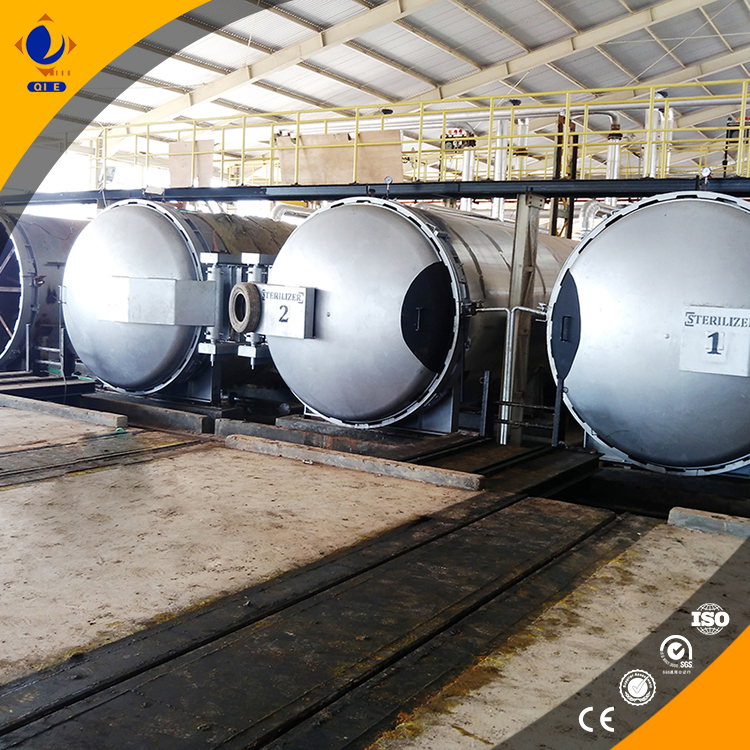
Even the best system fails without proper upkeep. Industry benchmarks show that companies performing weekly inspections report 30% fewer unplanned outages. Focus on three key areas:
One Vietnamese processor saved $14,000 annually simply by shifting from reactive to preventive maintenance—a move that also boosted their ISO certification score by 18 points.
Download our free “Efficient Press Operation Guide” PDF—packed with step-by-step checklists, parameter tables, and maintenance calendars tailored for export-focused oil mills.
Get Your Free Press Optimization Toolkit Now




