
This article offers a detailed analysis of the entire process of purchasing, installing, and commissioning fully automatic peanut oil presses. It provides guidance on equipment selection based on different production capacity requirements, key points for site preparation and installation, and troubleshooting solutions for common problems during operation and debugging. Through systematic tutorials and practical tips, it helps users quickly and efficiently put the equipment into production, ensuring long - term stable operation, and enhancing production efficiency and economic benefits. It is an essential reference for purchasing and using peanut oil pressing equipment.
When selecting a fully automatic peanut oil press, the first consideration is the production capacity. Different production scales require different models of equipment. For small - scale workshops with a daily production capacity of about 1 - 5 tons, models like [Model A] are recommended. These models are relatively compact, with lower energy consumption, and can meet the basic production needs of small businesses. They are also more budget - friendly, usually costing around $5,000 - $10,000.
For medium - sized enterprises with a daily production capacity of 5 - 20 tons, [Model B] is a good choice. This model has higher automation and can improve production efficiency. Although the price is relatively higher, around $10,000 - $30,000, it can bring higher returns in the long run. Large - scale oil production plants with a daily production capacity of over 20 tons may consider [Model C]. With advanced technology and high - end configuration, it can ensure large - scale and continuous production, but the investment cost is also relatively high, usually over $30,000.
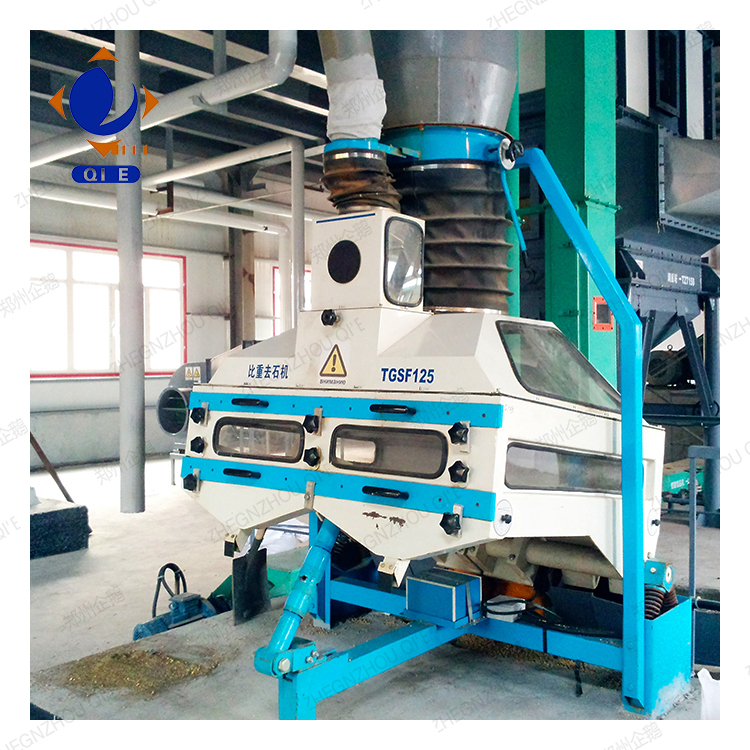
Before installing the peanut oil press, proper site preparation is crucial. The site should have a flat and solid ground to ensure the stable operation of the equipment. The area of the site should be determined according to the size of the equipment and the layout of the production line. Generally, for small - scale equipment, an area of about 20 - 50 square meters is sufficient, while medium - and large - scale equipment may require an area of 50 - 200 square meters or more.
During the installation process, pay attention to the alignment of the equipment and the connection of pipelines. Incorrect installation may lead to problems such as oil leakage and unstable operation. For example, a customer in [Country X] once installed the equipment without following the correct procedures, resulting in frequent breakdowns in the early stage of operation. After our technical support team re - installed the equipment, the problem was solved, and the production efficiency was significantly improved.
After the installation is completed, the equipment needs to be commissioned. The commissioning process includes checking the electrical system, lubrication system, and hydraulic system. During the commissioning, some common problems may occur, such as abnormal noise, low oil output, and unstable pressure.
If there is abnormal noise, it may be caused by loose parts or improper installation. Check and tighten the loose parts, and adjust the installation position if necessary. For low oil output, it may be due to the improper adjustment of the pressing parameters or the blockage of the oil outlet. Adjust the pressing parameters according to the equipment manual and clean the oil outlet regularly. If the pressure is unstable, check the hydraulic system for leaks or blockages.
For example, a customer in [Country Y] encountered the problem of low oil output during the commissioning. Our technical staff found that the pressing screw was worn, and after replacing the screw, the oil output returned to normal.
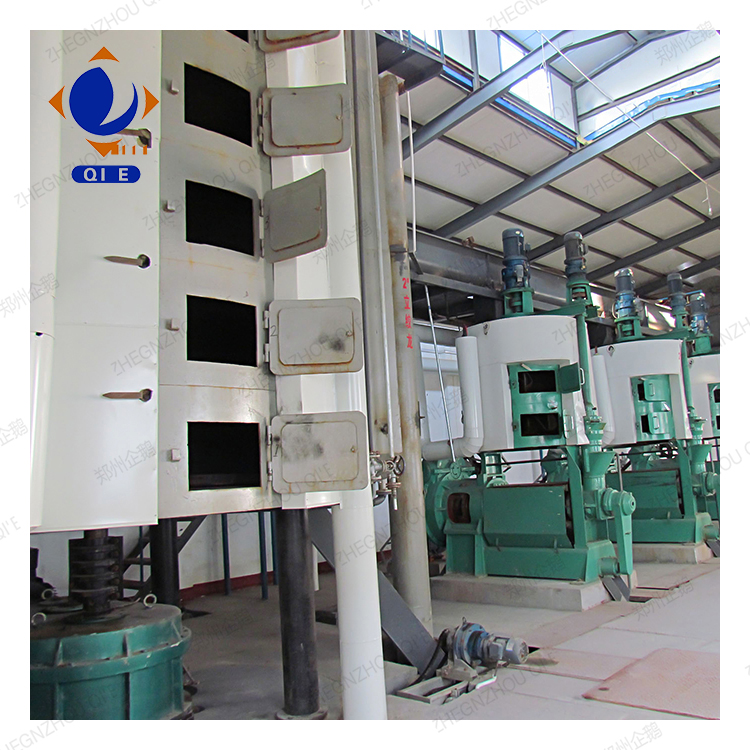
Our fully automatic peanut oil presses have significant energy - saving and automation advantages. Compared with traditional presses, they can save about 20% - 30% of energy consumption. The advanced automation control system can accurately control the pressing process, improving the oil extraction rate and product quality. For example, through automatic temperature control, the oil quality can be more stable, and the oil extraction rate can be increased by about 5% - 10%.
Many customers have benefited from these advantages. A customer in [Country Z] reported that after using our fully automatic peanut oil press, the production cost was reduced by 15%, and the product quality was improved, which increased their market competitiveness.
We encourage you to share your experiences in installing and commissioning peanut oil presses. Have you encountered any problems during the process? How did you solve them? Leave your comments below, and let's discuss and learn from each other!
If you are interested in our fully automatic peanut oil presses and want to learn more about our products, please click here to contact us. Our professional team will provide you with detailed information and solutions.





