In today’s competitive edible oil market, small and medium-sized oil enterprises are challenged to enhance production efficiency while maintaining superior oil quality. The emergence of fully automatic oil press machines offers a transformative solution by integrating advanced extraction technology with smart operation controls. This article explores the core advantages of such highly efficient and energy-saving oil pressing equipment, supported by real-world case studies, to guide enterprises seeking modern upgrades and sustainable growth.
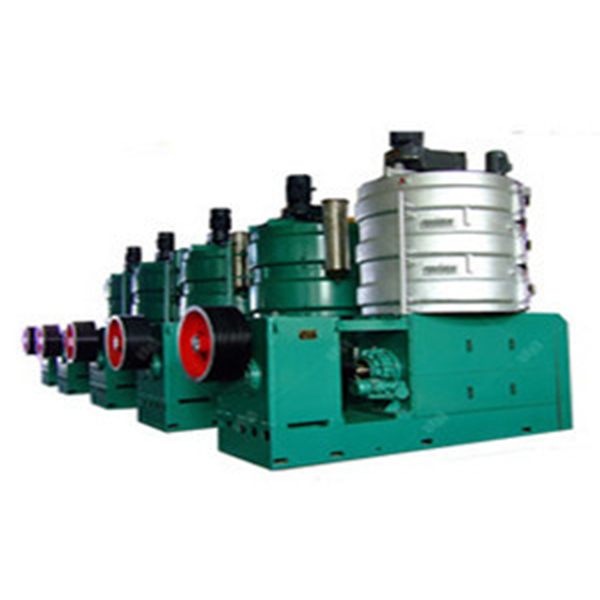
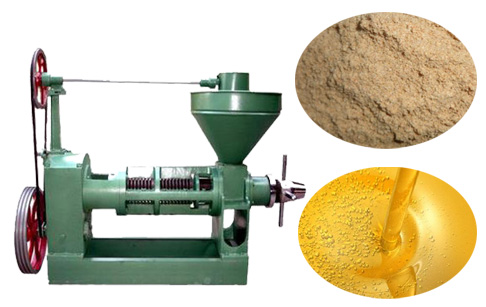
Modern fully automatic oil press machines utilize high-efficiency extrusion mechanisms that maximize oil yield by optimizing pressure and temperature parameters. An integrated automatic filtering system significantly reduces impurities, improving final oil clarity and stability. Coupled with streamlined oil collection and minimal manual intervention, the device notably cuts both operational labor and downtime.
The hallmark of these machines lies in their energy-saving design, often consuming up to 30% less power compared to traditional hydraulic presses, while maintaining an extraction rate increase of approximately 8-12%. Operators benefit from intuitive controls and automated maintenance alerts, which reduce the need for specialized personnel and lower long-term operational risks.
Traditional oil pressing methods commonly suffer from inconsistent oil quality, higher energy consumption, and labor-intensive workflows. This results in fluctuating product standards and elevated production costs, which restrain competitiveness in price-sensitive markets.
Intelligent automatic oil pressing equipment directly addresses these weaknesses by enabling stable continuous production with consistent output quality. In a comparative study involving mid-scale oil enterprises, transitioning to automated presses led to an average reduction of 25% in energy cost per ton of crude oil extracted, alongside a 15% increase in production throughput. This efficiency gain translates into stronger profit margins and the ability to meet larger order volumes without compromising quality.
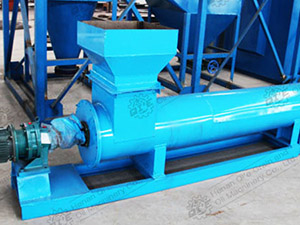
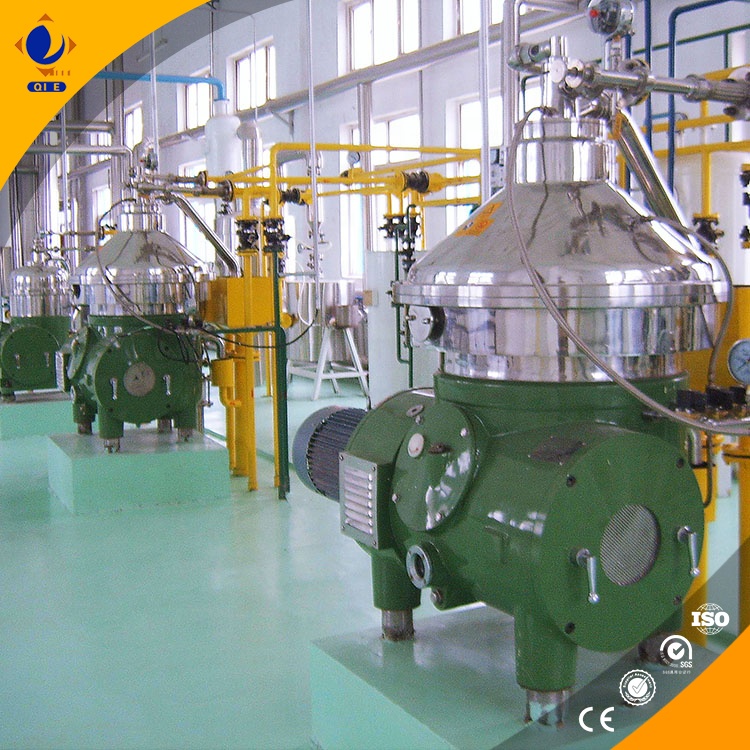
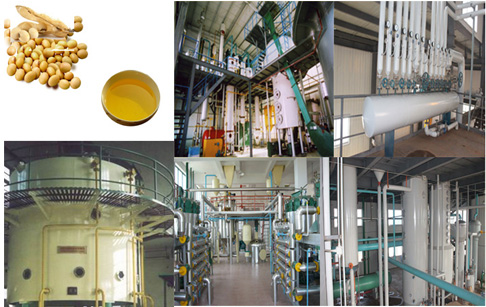
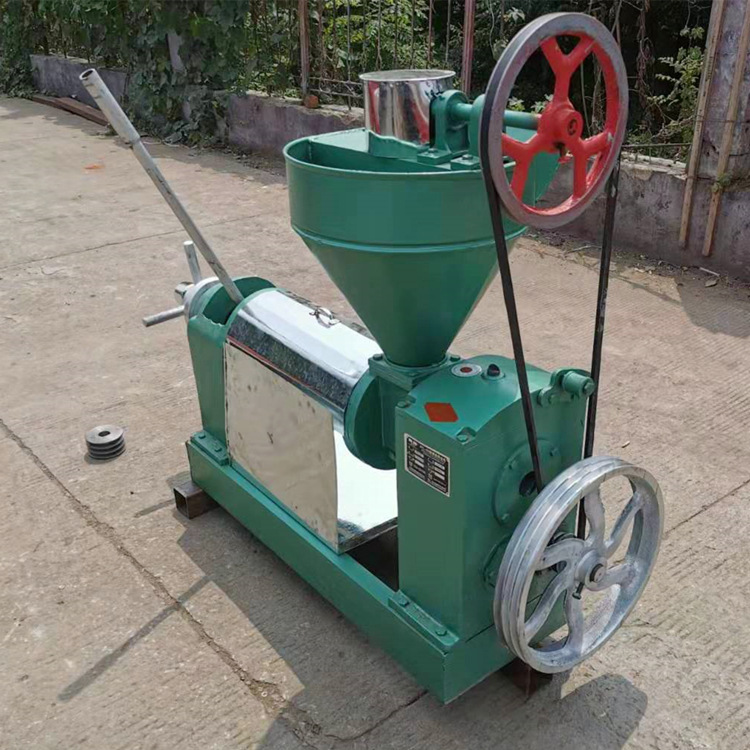
The fully automated press streamlines the production process from raw material feeding to oil filtration and collection. Raw oilseeds are automatically conditioned and fed into the high-precision screw press. The extraction chamber applies continuous pressure while monitoring real-time temperature to ensure optimal oil release without overheating, preserving nutritional value and flavor profiles.
Post-extraction, the oil passes through an integrated multi-stage filtration system. This automated component physically separates residues and fine particulates, ensuring that the crude oil meets stringent industry standards before packaging or further refining.
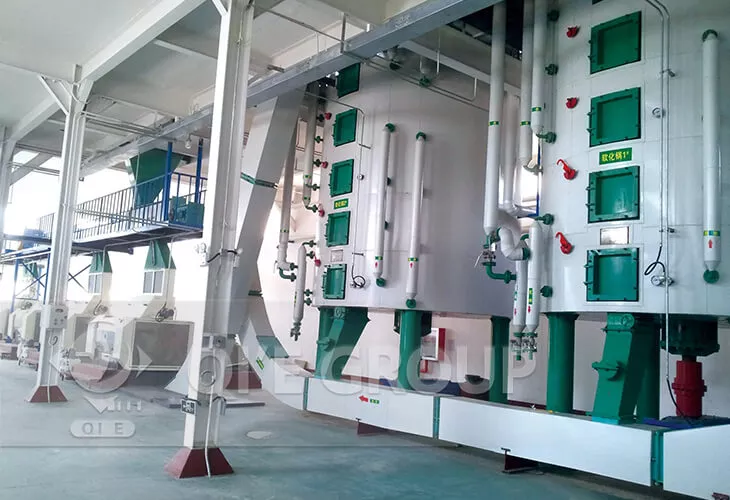
Case Study 1: GreenHarvest Oil Co. employed Penguin Group’s fully automatic oil press machine, resulting in a 20% increase in yield and a 28% cut in labor expenses within six months. The power consumption dropped by 33%, contributing to significant operational savings.
Case Study 2: SunField Agro Processors reported stabilized oil quality with free fatty acid content reduced by 12%, ensuring compliance with export standards. Continuous operation minimized downtime, increasing output capacity by 18%.

Additional clients have echoed these results, highlighting the reliability of automated operation and quick return on investment, especially crucial for mid-sized enterprises aiming for scalable expansion without major capital outlay.
Integrating intelligent oil press machines into production lines aligns with the ongoing trend towards industry 4.0 transformation in food processing sectors. The enhanced throughput and quality stability directly increase market competitiveness by enabling tighter cost control and higher product consistency—factors crucial to winning institutional buyers and expanding export potentials.

 118
|
118
|
 Corn germ oil press
Intelligent temperature control system
Vegetable oil extraction rate
Grain and oil processing equipment
Physical pressing process
386
|
High - efficiency corn germ oil pressing machine
Corn germ oil extraction
Intelligent temperature control pressing technology
Grain and oil processing equipment upgrade
Pressing machine after - sales service
Corn germ oil press
Intelligent temperature control system
Vegetable oil extraction rate
Grain and oil processing equipment
Physical pressing process
386
|
High - efficiency corn germ oil pressing machine
Corn germ oil extraction
Intelligent temperature control pressing technology
Grain and oil processing equipment upgrade
Pressing machine after - sales service
.jpg?x-oss-process=image/resize,h_300,m_lfit/format,webp) 306
|
soybean oil pressing
oil yield improvement
oil purity
temperature control
pressure adjustment
465
|
corn germ oil pressing machine
intelligent temperature control system
vegetable oil pressing technology
efficient oil extraction
grain and oil processing equipment
306
|
soybean oil pressing
oil yield improvement
oil purity
temperature control
pressure adjustment
465
|
corn germ oil pressing machine
intelligent temperature control system
vegetable oil pressing technology
efficient oil extraction
grain and oil processing equipment
 251
|
low temperature cold pressing technology
peanut oil yield improvement
small oil mill operation mistakes
spiral cold press machine
cold pressed peanut oil process
251
|
low temperature cold pressing technology
peanut oil yield improvement
small oil mill operation mistakes
spiral cold press machine
cold pressed peanut oil process
.jpg)

.jpg)