Modern edible oil processing is increasingly shaped by a connected set of priorities: higher throughput, more effective energy utilization, environmental control, consistent product quality and easier production management. For processors, these priorities affect every stage—from material preparation and oil pressing to extraction, refining and final handling.
As a manufacturer of oil pressing equipment, oil production line equipment and edible oil refining equipment, Qi'e Group follows these industry developments to support practical equipment selection and integrated processing planning for B2B edible oil projects.
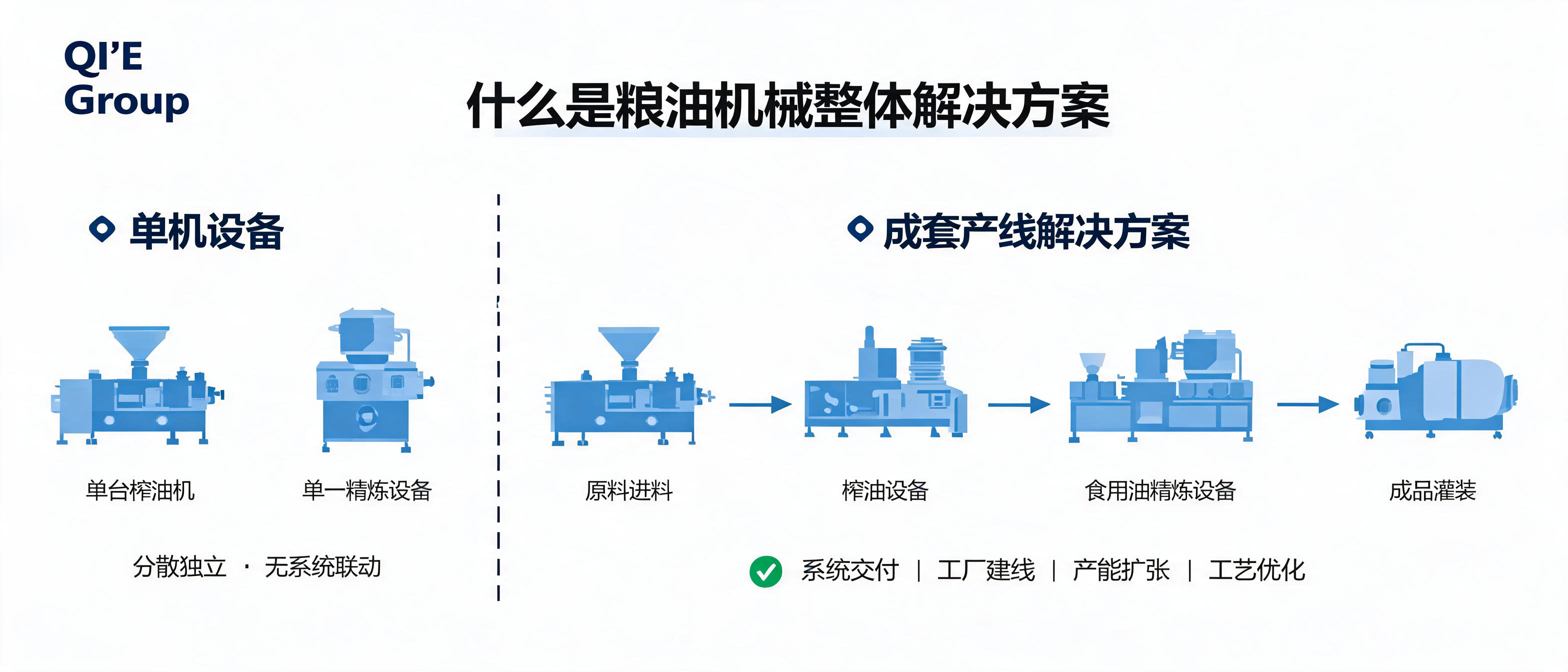
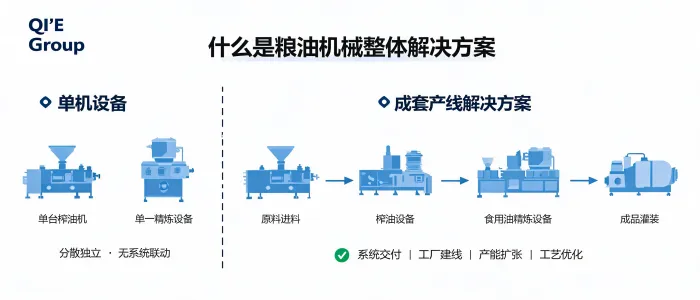
Edible oil processing is not simply a sequence of separate machines. Performance at one stage can influence material flow, energy demand, operating stability and quality management at later stages. This is why equipment planning increasingly considers the full process rather than isolated units.
An integrated approach connects the requirements of oilseed handling, pressing or extraction, crude oil treatment and refining. The objective is to create a production workflow that is easier to operate, maintain and adjust as processing requirements change.
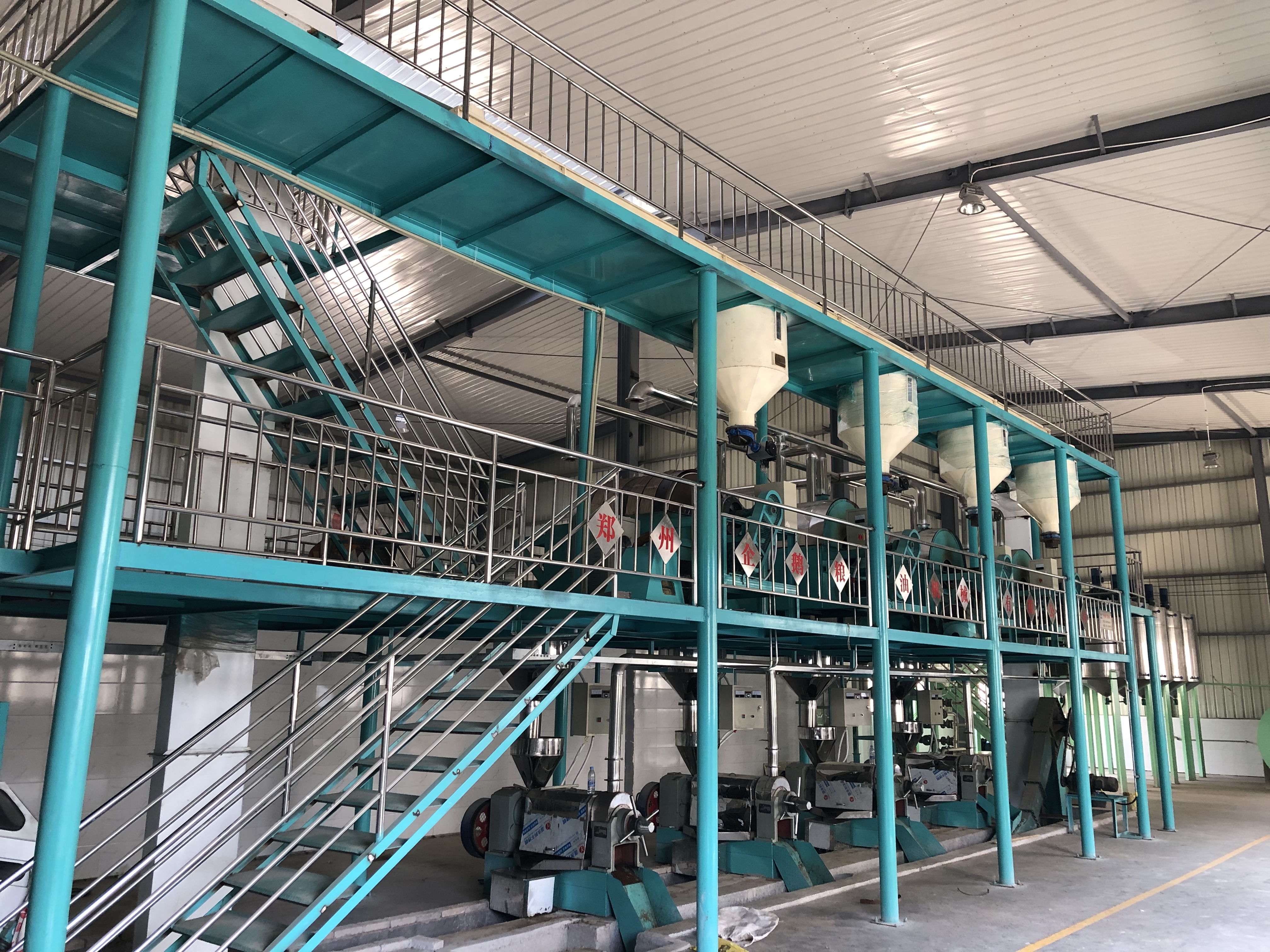
Coordinated equipment layout helps align material transfer, process timing and operating interfaces across production stages.
Clear monitoring points and structured control logic can help operators understand equipment status and respond to process conditions.
A system-oriented design can support phased development, maintenance planning and future process optimization.
Technology development in grain and oil machinery is centered on making processing more stable, resource-conscious and manageable. The following trends are relevant when evaluating an automated oil production line or upgrading existing oil processing operations.
| Industry Trend | Processing Focus | Practical Consideration |
|---|---|---|
| Process integration | Linking preparation, pressing, extraction and refining stages. | Equipment interfaces, material flow and production layout should be assessed together. |
| Energy-saving design | Improving the use of power and thermal resources within the process. | Energy use should be reviewed alongside capacity, operating conditions and maintenance needs. |
| Intelligent control | Using automated control and status monitoring to support repeatable operation. | Control functions should match the site’s operating procedures and personnel requirements. |
| Environmental management | Addressing cleanliness, emissions-related process considerations and responsible resource use. | Requirements may vary by raw material, process route and local project conditions. |
Energy-saving oil equipment is best evaluated as part of the complete process. Energy performance depends not only on a single machine, but also on operating parameters, equipment matching, material characteristics, heat management and the consistency of production practices.
Intelligent oil processing refers to the use of control, monitoring and process information to help manage production activities with greater consistency. In an oil processing environment, intelligent functions may support equipment coordination, operating status observation, parameter management and routine production control.
Automation should be designed around the actual production process. A useful system balances control capability with clear operating procedures, maintainability and the level of technical support available at the site.
Supports the operation of individual processing units through defined control functions and status feedback.
Helps align connected stages of an automated oil production line with the intended production sequence.
Provides a structured basis for observing process conditions and organizing routine management activities.
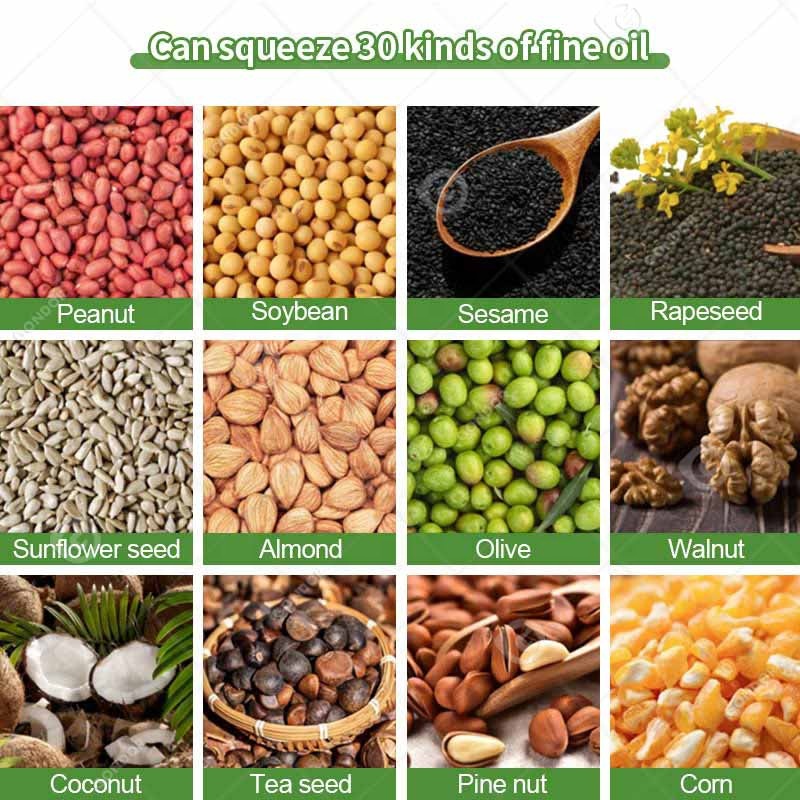
Different oil-bearing materials and project objectives require different technical routes. The appropriate combination of oil pressing equipment, extraction equipment and refining equipment should be determined by the raw material, desired product characteristics, production scale, site conditions and local compliance requirements.
The direction of grain and oil machinery is clear: processing systems are expected to combine productivity with responsible resource use, stable process control and practical automation. The most suitable solution is one that responds to real production conditions instead of relying on a one-size-fits-all configuration.
Qi'e Group provides equipment and project-oriented support across oil pressing, oil production lines and edible oil refining. For processors considering oil pressing solutions, vegetable oil extraction equipment or edible oil refining equipment, process requirements and operating context remain the starting point for informed planning.
 53
|
53
|
 Qi'e Grain and Oil Machinery Co., Ltd.
overseas grain and oil project
turnkey line delivery
installation and commissioning
technical service
Qi'e Grain and Oil Machinery Co., Ltd.
overseas grain and oil project
turnkey line delivery
installation and commissioning
technical service
 295
|
Qi'e Grain and Oil Machinery Co., Ltd.
grain and oil machinery turnkey solution
oil pressing equipment
edible oil refining
complete production line
295
|
Qi'e Grain and Oil Machinery Co., Ltd.
grain and oil machinery turnkey solution
oil pressing equipment
edible oil refining
complete production line
 277
|
Qi'e Grain and Oil Machinery
project delivery
overseas customer
equipment installation
commissioning and technical service
277
|
Qi'e Grain and Oil Machinery
project delivery
overseas customer
equipment installation
commissioning and technical service
 306
|
cold and hot press integrated machine
home oil press operation
small workshop oil pressing equipment
multi-functional oil press maintenance
vegetable oil extraction technology
306
|
cold and hot press integrated machine
home oil press operation
small workshop oil pressing equipment
multi-functional oil press maintenance
vegetable oil extraction technology
 266
|
multi-oilseed screw cold press machine
oil yield improvement tips
cold press equipment maintenance
common cold press faults
oilseed screw press selection guide
266
|
multi-oilseed screw cold press machine
oil yield improvement tips
cold press equipment maintenance
common cold press faults
oilseed screw press selection guide