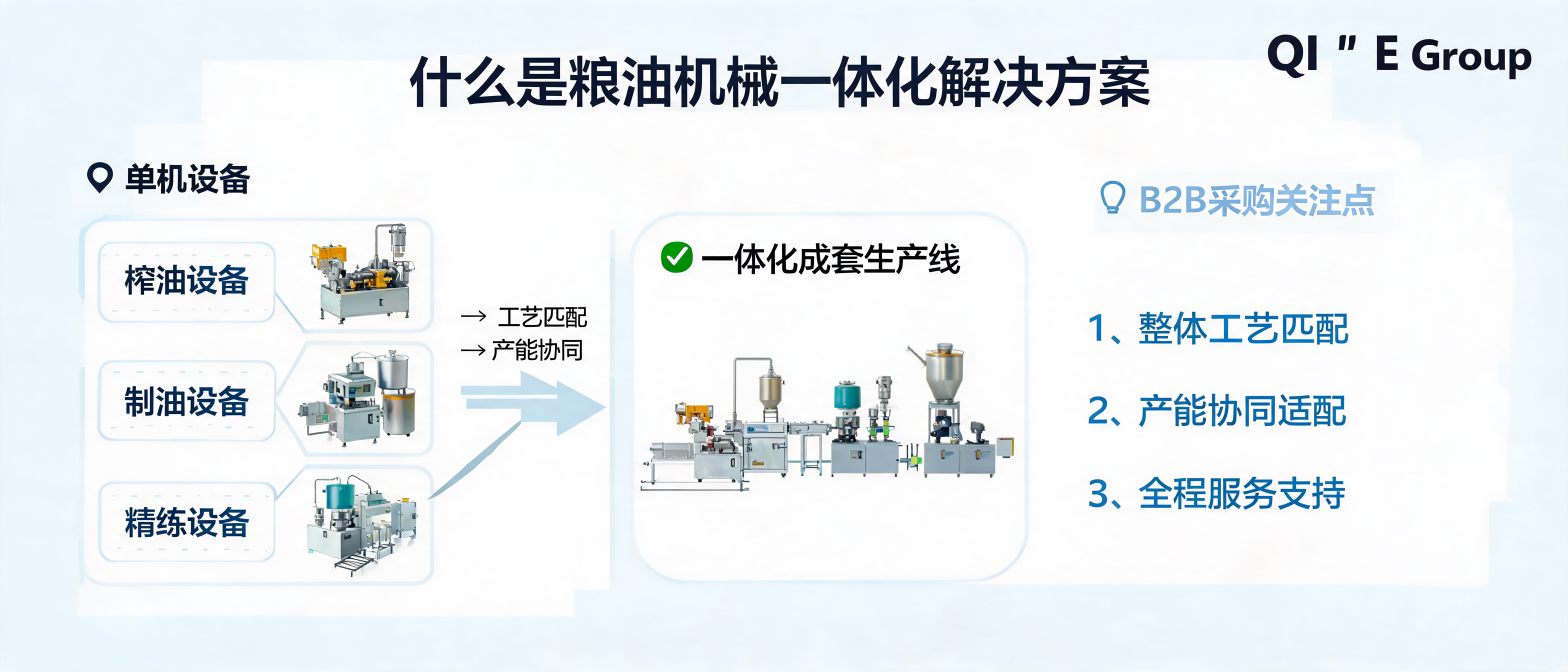
A grain and oil processing project is more than a collection of machines. It is a coordinated process that connects raw-material characteristics, production capacity, process configuration, equipment supply, site implementation, and operator readiness. Qi'e Grain and Oil Machinery Co., Ltd. supports B2B oil mill projects with a delivery approach that brings these stages together from early planning through technical service.
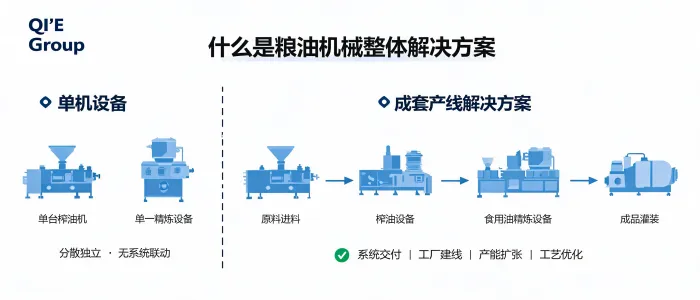
Grain and oil processing lines may include oil pressing equipment, oil extraction systems, edible oil refining equipment, conveying units, storage arrangements, and supporting process sections. The suitable configuration depends on the intended raw material, target capacity, product requirements, available site conditions, and the scope of the investment.
For this reason, project delivery should begin with clear technical communication rather than a standard equipment list. Qi'e Grain and Oil Machinery Co., Ltd. aligns process design, equipment manufacturing, installation coordination, commissioning, training, and technical support to help customers understand how individual units work together within an oil processing solution.
The project begins by confirming the intended feedstock, planned processing capacity, production objectives, site information, and expected product pathway. This provides the basis for evaluating the appropriate oil production line configuration.
Different oil-bearing materials require different processing considerations. Confirming raw material properties and throughput expectations helps define the process route, major equipment selection, and the relationship between upstream and downstream sections.
The process design organizes equipment into a functional line. Depending on project needs, this can involve preparation, pressing or extraction, crude oil handling, refining, and related supporting systems.
After the technical scope is established, equipment manufacturing and supply are organized according to the agreed configuration. Clear communication on interfaces and project sequencing supports more orderly site preparation and delivery planning.
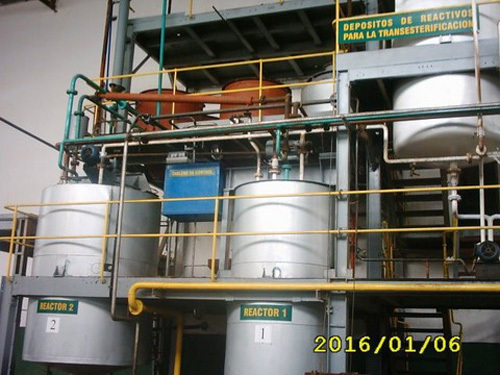
Installation connects the supplied equipment to the actual plant environment. This stage requires attention to equipment positioning, line interfaces, utilities, safety practices, and the practical requirements of the customer’s site.
Commissioning verifies the coordinated operation of the processing line under site conditions. Operator training focuses on routine operation, process awareness, equipment use, and basic maintenance practices relevant to the delivered system.
An oil mill project should be evaluated as an integrated processing system. Equipment capacity, material flow, process sequence, site layout, installation conditions, and operating practices influence one another. A suitable oil production line installation plan considers these connections early, helping project stakeholders make more informed decisions before implementation begins.
| Project consideration | Why it is relevant |
|---|---|
| Raw material type and condition | It informs the processing route and the equipment sections to be considered. |
| Planned production capacity | It helps determine line sizing and the coordination of equipment across the process. |
| Product and processing objectives | It shapes whether the project requires pressing, extraction, refining, or a combination of process sections. |
| Plant site and utility conditions | It affects layout planning, installation preparation, and the practical arrangement of the production line. |
| Operating team requirements | It supports planning for commissioning participation, training, routine operation, and technical communication. |
Oil production line installation is the transition from engineering planning to physical implementation. Equipment must be positioned and connected in accordance with the process arrangement and site conditions. Once installation is completed, commissioning provides the opportunity to check equipment coordination and prepare the line for normal operation.
Technical service continues this delivery logic by supporting customer understanding of the installed system. For B2B investors and processors, this connection between process design, equipment implementation, commissioning, and operator training is an important part of evaluating a grain and oil processing project.
Qi'e Grain and Oil Machinery Co., Ltd. develops, manufactures, supplies, and supports machinery for grain and oil processing applications, including oil pressing equipment, oil production line equipment, and edible oil refining equipment. The company’s project-oriented service focuses on matching technical communication and implementation support to the needs of each processing line.
Whether the project involves a new oil mill, a defined processing section, or a planned line expansion, clear requirements and early process discussion create a stronger foundation for equipment selection, installation planning, commissioning, and long-term technical coordination.

 342
|
342
|
 vegetable oil processing machinery
oil pressing technology
edible oil refining process
automatic control systems for oil plants
energy-saving oil extraction equipment
vegetable oil processing machinery
oil pressing technology
edible oil refining process
automatic control systems for oil plants
energy-saving oil extraction equipment
 479
|
Qi'e Grain and Oil Machinery Co., Ltd.
grain and oil machinery industry trends
automation upgrade
environmentally friendly equipment
turnkey delivery
479
|
Qi'e Grain and Oil Machinery Co., Ltd.
grain and oil machinery industry trends
automation upgrade
environmentally friendly equipment
turnkey delivery
 295
|
Qi'e Grain and Oil Machinery Co., Ltd.
grain and oil machinery turnkey solution
oil pressing equipment
edible oil refining
complete production line
295
|
Qi'e Grain and Oil Machinery Co., Ltd.
grain and oil machinery turnkey solution
oil pressing equipment
edible oil refining
complete production line
 34
|
soybean oil refining improvement
vegetable oil refining technology
oil yield enhancement methods
eco-friendly oil pressing equipment
grain and oil processing equipment upgrade
34
|
soybean oil refining improvement
vegetable oil refining technology
oil yield enhancement methods
eco-friendly oil pressing equipment
grain and oil processing equipment upgrade
 464
|
Qi'e Grain and Oil Machinery Co., Ltd.
grain and oil machinery production line
complete equipment set
oil processing
B2B procurement
464
|
Qi'e Grain and Oil Machinery Co., Ltd.
grain and oil machinery production line
complete equipment set
oil processing
B2B procurement