For global粮油 processors seeking consistent quality and higher yields, the shift from traditional mechanical extraction to advanced physical pressing is no longer optional—it’s strategic. According to a 2023 report by Food Processing Magazine, companies using intelligent temperature-controlled presses see an average oil yield increase of 7–12% compared to conventional methods, while preserving up to 95% of omega-3 and vitamin E content.
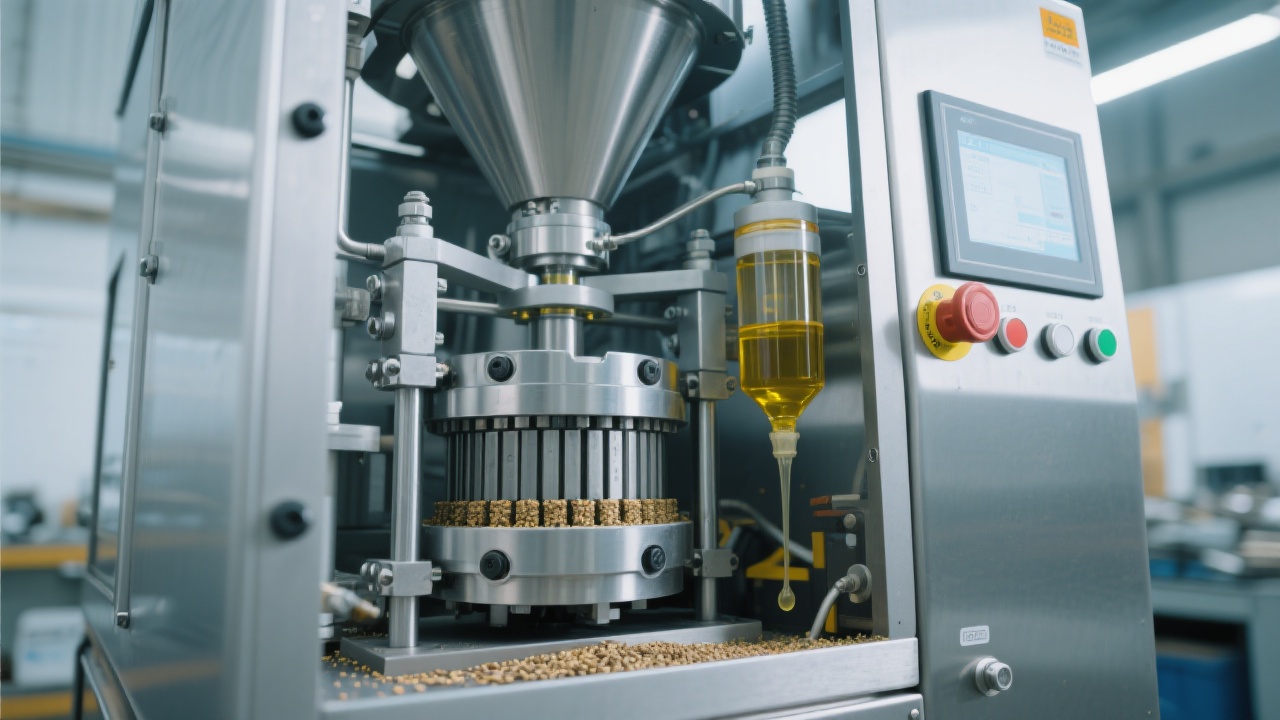
Modern export-grade corn germ oil presses aren’t just machines—they’re smart systems. By integrating real-time thermal feedback loops, these presses maintain optimal pressure and heat levels throughout the extraction cycle. This prevents overheating (which degrades nutrients) and ensures uniform fiber separation, leading to:
In regions like Southeast Asia and Latin America—where small-to-mid scale mills dominate—the ability to produce high-value oil without complex refining steps has become a game-changer. One Indonesian processor reported a 30% reduction in customer complaints after switching to this technology, citing improved clarity, taste stability, and shelf life.
Operators often overlook how subtle parameter adjustments impact final output. For example:
| Parameter | Recommended Setting | Impact on Yield & Quality |
|---|---|---|
| Press Temperature | 65–75°C | Maximizes oil flow while minimizing oxidation |
| Feed Rate Consistency | ±5% variation allowed | Prevents clogging and maintains throughput |
| Maintenance Interval | Every 200 hours or monthly | Extends equipment lifespan by 30%+ when followed |
These settings are not one-size-fits-all—they should be fine-tuned based on raw material moisture content, kernel size, and target market specifications. But with proper training, even mid-level technicians can master them within 2 weeks.
Whether you're targeting EU organic standards, US FDA compliance, or Middle Eastern halal-certified markets, the right press isn't just about performance—it's about building trust through consistency. That’s why many exporters now use this technology as part of their certification strategy, not just production.





