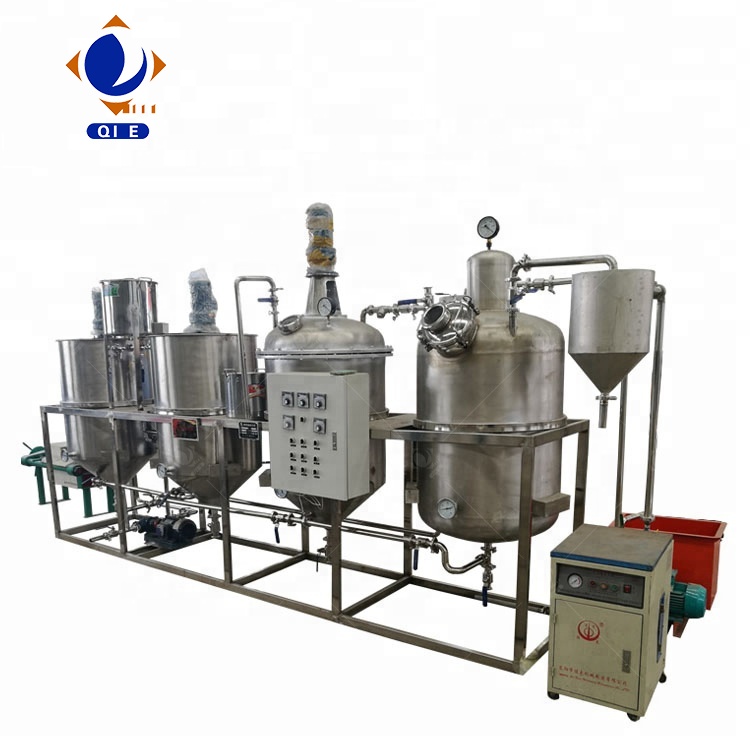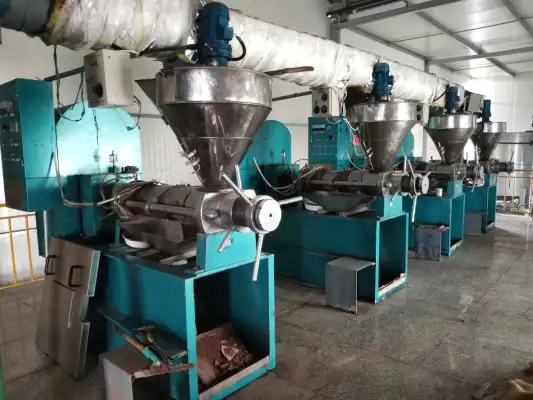
In the evolving landscape of grain and oil processing, the demand for high-quality, nutritionally rich oils has surged substantially. Enterprises face pressing challenges: maximizing oil yield, preserving natural flavors, and enhancing operational efficiency. Modern physical pressing equipment, equipped with intelligent temperature control systems, presents a vital solution. This article delves into the core parameters and practical advantages of such innovative pressing technology in corn germ oil production, underscoring its high efficiency, stability, and flexible adaptability to diverse processing environments.
Traditional methods of oil extraction often rely on chemical solvents, which, although effective in volume terms, compromise oil quality by stripping essential nutrients and aromatic compounds. Physical pressing, by contrast, employs mechanical force to extract oil, preserving the oil’s natural profile. Key benefits include:
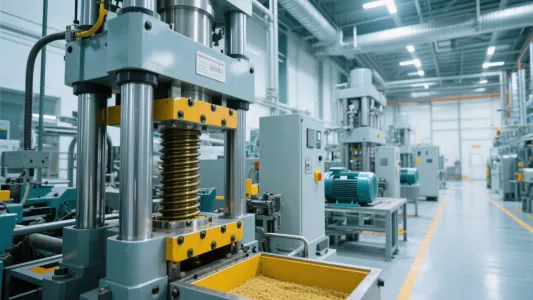
Central to the latest physical pressing systems is the integration of an intelligent temperature control (ITC) system. This subsystem dynamically adjusts pressing temperature within an optimal range of 60°C to 90°C, tailored to corn germ characteristics and ambient conditions. The ITC system:
According to the Agricultural Science Institute Report (2023), adoption of ITC enhanced pressing yield by an average of 8-12%, with simultaneous improvements in oil oxidative stability and sensory properties.
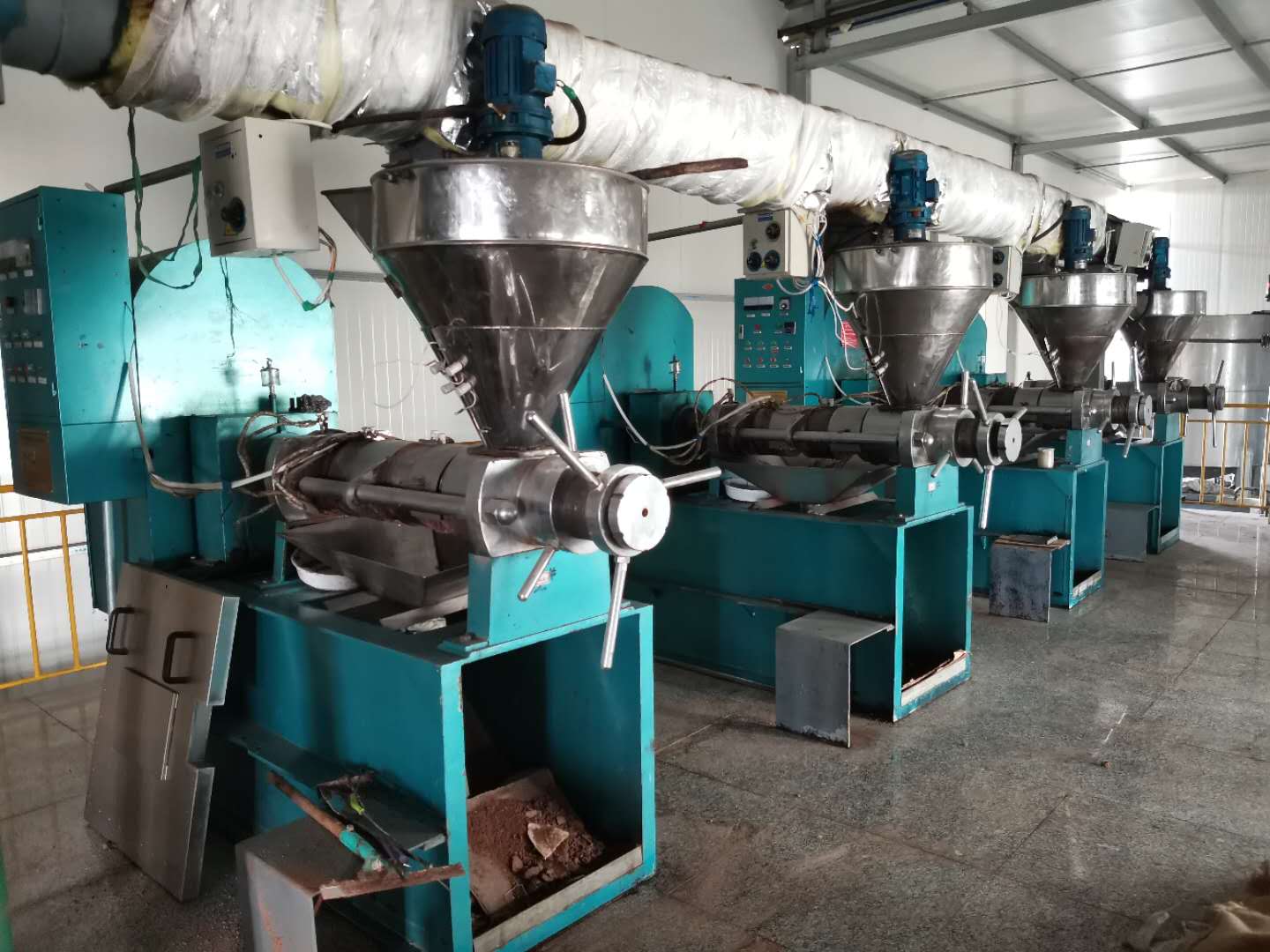
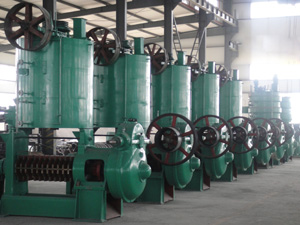
Practical use cases from leading grain oil producers reveal the system’s capacity for high-efficiency and stable operation. For example, GreenField Oils, a major exporter in Southeast Asia, reported a rise in outflow oil percentage from 42% to 48% post-adoption of the high-efficiency physical pressing equipment with ITC. Operational uptime exceeded 96%, highlighting robust equipment reliability under continuous shifts.
Adaptation to client production lines is streamlined via modular design, enabling seamless integration with existing milling and refining systems, demonstrating the equipment’s flexible adaptability across scales—from mid-sized facilities to large industrial plants.
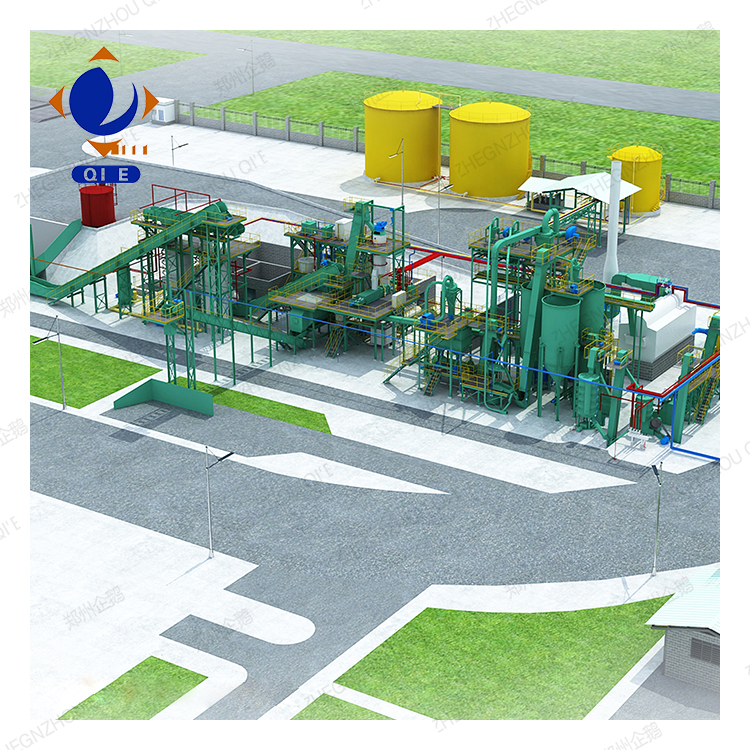
Ensuring longevity and peak performance of pressing equipment necessitates rigorous maintenance and operational discipline. Common pitfalls to avoid include:
Operators are advised to follow manufacturer guidelines for scheduled inspections and adopt digital monitoring solutions to preempt equipment malfunctions, which further solidifies process reliability.

 241
|
241
|
 Fully Automatic Cold Press Oil Machine
Peanut Oil Press Machine
High Efficiency Oil Extraction
Automated Oil Processing Equipment
Energy Saving Cold Oil Press
Oil Press Machine for Soybean
Sunflower Oil Extraction Machine
Vegetable Oil Processing Equipment
Small Scale Oil Press Machines
Industrial Cold Oil Press
Fully Automatic Cold Press Oil Machine
Peanut Oil Press Machine
High Efficiency Oil Extraction
Automated Oil Processing Equipment
Energy Saving Cold Oil Press
Oil Press Machine for Soybean
Sunflower Oil Extraction Machine
Vegetable Oil Processing Equipment
Small Scale Oil Press Machines
Industrial Cold Oil Press
 355
|
peanut oil quality control
HACCP certification process
ISO 22000 oil production standards
automated peanut oil pressing
sustainable oil manufacturing
355
|
peanut oil quality control
HACCP certification process
ISO 22000 oil production standards
automated peanut oil pressing
sustainable oil manufacturing
 332
|
peanut oil pressing machine technology
fully automated oil extraction equipment efficiency
energy-saving oil extraction solutions
automated peanut oil equipment control
energy-efficient screw oil press technology
332
|
peanut oil pressing machine technology
fully automated oil extraction equipment efficiency
energy-saving oil extraction solutions
automated peanut oil equipment control
energy-efficient screw oil press technology
 422
|
Automatic Cold Oil Press Machine
Peanut Oil Press Machine
High-Efficiency Oil Extractor
Eco-Friendly Oil Press Equipment
Industrial Oil Press Machine
Oil Extraction Machine for Food Industry
Versatile Oil Extractor for Soybeans
Oil Processing Equipment for Small Factories
High Yield Oil Press
Professional Cold Oil Press Solutions
422
|
Automatic Cold Oil Press Machine
Peanut Oil Press Machine
High-Efficiency Oil Extractor
Eco-Friendly Oil Press Equipment
Industrial Oil Press Machine
Oil Extraction Machine for Food Industry
Versatile Oil Extractor for Soybeans
Oil Processing Equipment for Small Factories
High Yield Oil Press
Professional Cold Oil Press Solutions
 470
|
palm kernel oil refining equipment
high-efficiency palm oil processing equipment
energy-efficient palm oil refining technology
470
|
palm kernel oil refining equipment
high-efficiency palm oil processing equipment
energy-efficient palm oil refining technology






.jpg)