Many peanut oil producers in emerging markets face a common challenge: despite producing high-quality raw material, their final product often fails to meet global standards like ISO 22000 or HACCP. The root cause? Inconsistent process control — especially during pressing, heating, and filtration stages.
A recent industry survey by the International Oilseed Association found that 67% of small-to-mid-sized peanut oil manufacturers experience inconsistent quality across batches due to manual adjustments in temperature, pressure, and moisture levels. This leads directly to higher rejection rates from EU and U.S. importers — where overoxidation (measured as peroxide value) and free fatty acid content are strictly monitored.
| Process Parameter | Manual Control | Automated Control |
|---|---|---|
| Pressing Temperature (°C) | ±5°C variation | ±1°C precision |
| Moisture Content (% w/w) | Inconsistent | Controlled at 4–6% |
| Oil Yield (%) | ~72% | ~83% |
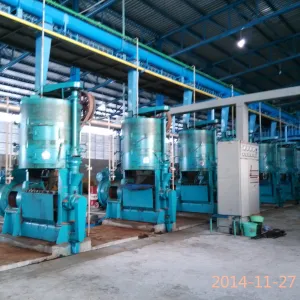
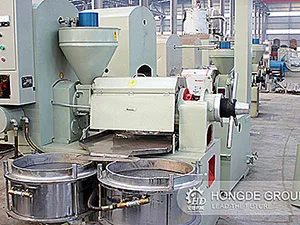
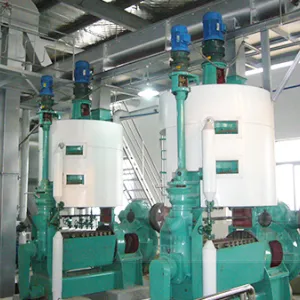
Investing in a fully automatic peanut oil expeller system doesn’t just improve yield — it ensures every batch meets international specifications for acidity, color, and stability. One client in Nigeria reported a jump from 85% to 98% compliance with FDA requirements after switching to our smart press line — all within six months of operation.
“ ISO 22000 Clause 8.5.1: Process control must be documented and measurable. Automated systems provide real-time logs, reducing audit risks and improving traceability.” — Food Safety Management Handbook, FAO 2023
Modern export markets demand more than just purity — they require sustainability. A 2024 report from the European Commission shows that 74% of EU buyers now prioritize suppliers with energy-efficient processing equipment and zero-waste production methods. Our latest model uses up to 30% less electricity than older hydraulic presses, while integrating closed-loop cooling systems that reduce water consumption by over 40%.
For companies targeting North America, this isn’t optional — it’s essential. U.S. FDA regulations increasingly favor facilities using clean technologies, particularly those certified under ISO 14001. By adopting automated peanut oil extraction, you’re not only meeting standards — you’re positioning your brand as a responsible global partner.
Let each drop of peanut oil pass international inspection. Let one machine unlock your first shipment to Germany, Canada, or the UAE.