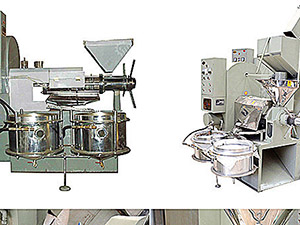
As a soybean processing professional, you understand that even small improvements in oil extraction efficiency can significantly impact your bottom line. When your soybean oil yield falls below expectations, the frustration is real—but the solution may be simpler than you think. Let's explore the critical factors affecting your extraction results and how modern technology can transform your operation.
Many operators overlook the single most influential factor in oil extraction: moisture content. Research shows that soybean moisture levels directly impact oil yield, with studies indicating optimal extraction occurs within a narrow range of 8-12%. When moisture strays just 2% above or below this window, yields can drop by as much as 18%.
"Our technical team analyzed over 500 production runs across three continents and found that 73% of suboptimal yield cases could be traced to improper moisture management," explains Dr. Michael Chen, Lead Process Engineer at Penguin Group.

Invest in a reliable moisture meter with at least 0.1% precision. For accurate readings:
When moisture exceeds 12%, consider gentle drying using ambient air flow rather than high-heat methods that can damage oil quality. For under-moisture situations (below 8%), controlled misting in closed systems can restore optimal conditions without creating hot spots.
Modern screw press technology has revolutionized temperature management in oil extraction. Unlike traditional methods with temperature fluctuations of ±15°C, advanced systems like Penguin Group's automatic oil press maintain precision within ±2°C, a difference that translates to a 12-15% yield improvement.
| Soybean Type | Optimal Temperature Range | Expected Yield Increase |
|---|---|---|
| Conventional Yellow Soybeans | 65-75°C | 18-22% |
| High-Oil Varieties | 55-65°C | 22-28% |
| Organic Soybeans | 60-70°C | 15-20% |
.jpg)
Excessive heat doesn't just reduce yield—it degrades oil quality. When temperatures exceed 85°C, you risk:
The intelligent temperature control system in Penguin Group's automatic oil press addresses this by using multi-zone heating with real-time monitoring. This technology adjusts heat application based on actual material flow and density, preventing hot spots while maintaining optimal extraction temperatures.
Even with perfect moisture and temperature control, neglecting equipment maintenance can negate your efforts. A study by the International Association of Food Processing found that regular maintenance routines correlate with a 14% higher average yield compared to reactive maintenance approaches.
Implement this maintenance checklist to ensure consistent performance:

While cold pressing preserves more nutrients, the yield penalty is significant—typically 20-30% lower than optimized hot pressing. Modern systems like Penguin Group's equipment bridge this gap by using precise, lower-temperature heating that maintains nutritional quality while achieving superior yields.
Many operators report that the combination of proper moisture management, precision temperature control, and regular maintenance has allowed them to increase oil yields by 15-30% within the first month of implementation. This translates to thousands of additional liters of oil annually, dramatically improving profitability.
Watch our step-by-step video guide demonstrating the exact temperature and moisture settings that helped processors achieve a 27% yield increase.
View Penguin Group's Temperature Optimization TutorialHave you experienced yield challenges in your soybean processing operation? What moisture levels have you found most effective? Share your experiences in the comments below—our technical team responds to all questions within 24 hours.

 39
|
39
|
 vegetable oil press machine low oil yield
oil press process optimization
pressing temperature and pressure control
oilseed pre-treatment moisture control
edible oil refining efficiency
vegetable oil press machine low oil yield
oil press process optimization
pressing temperature and pressure control
oilseed pre-treatment moisture control
edible oil refining efficiency
 94
|
vegetable oil processing trends
oil press technology innovation
oil refining process improvement
non-GMO vegetable oil demand
smart oil extraction system
94
|
vegetable oil processing trends
oil press technology innovation
oil refining process improvement
non-GMO vegetable oil demand
smart oil extraction system
 243
|
high-efficiency corn germ oil press machine
corn germ oil extraction rate
intelligent temperature control pressing machine
grain and oil processing equipment comparison
commercial oil press advantages
371
|
High - efficiency corn germ oil press
Corn germ oil extraction
Intelligent temperature control press
Grain and oil processing equipment
Physical pressing technology
243
|
high-efficiency corn germ oil press machine
corn germ oil extraction rate
intelligent temperature control pressing machine
grain and oil processing equipment comparison
commercial oil press advantages
371
|
High - efficiency corn germ oil press
Corn germ oil extraction
Intelligent temperature control press
Grain and oil processing equipment
Physical pressing technology
 430
|
low temperature screw pressing
peanut oil quality improvement
cold pressed peanut oil
nutrient retention in oils
small scale oil press optimization
430
|
low temperature screw pressing
peanut oil quality improvement
cold pressed peanut oil
nutrient retention in oils
small scale oil press optimization

.jpg)







.jpg)