Key Technologies to Improve Vegetable Oil Press Yield: Screw Press Operation, Refining Process, and Plant Efficiency
2026-03-01
QI ' E Group
Tutorial Guide
This technical guide explains the practical, production-proven methods used to increase vegetable oil press yield while maintaining consistent oil quality and food safety compliance. It covers high-efficiency screw press fundamentals, critical pretreatment and pressing parameters, and a step-by-step overview of the refining workflow to improve purity and stability. The article also reviews automation and process control functions that reduce variability, along with energy-saving and environmental measures that support sustainable plant operation. With troubleshooting checklists, operating precautions, and preventive maintenance recommendations, it helps oilseed processors and equipment decision-makers optimize throughput, reduce losses, and extend equipment service life. Readers are invited to share field issues and operating data to build a user-driven knowledge base, and to visit the official website for technical documents and online expert support.
Practical tutorial for: edible oil plants, maintenance engineers, production managers, and procurement decision-makers
Improving plant oil press yield is rarely about a single “magic setting.” In real production, yield rises when the whole line is tuned: seed prep, press mechanics, temperature-time profile, filtration and refining, automation discipline, and maintenance habits. This guide walks through the key technologies and operational checkpoints used by high-performing plants to push recovery higher while keeping oil quality stable and meeting food safety expectations.
1) What “Higher Oil Yield” Really Means (and Why Plants Misread It)
In a commercial setting, “yield” should be tracked as recoverable oil per ton of raw material, not just what comes out of the press in the first hour. The most reliable KPIs typically include:
Recommended yield KPI set (pressing + refining)
Metric
How to measure
Practical target range (reference)
Residual oil in cake
Soxhlet/NMR or rapid test protocol, per batch
~6–10% (single press), ~4–7% (pre-press + press)
Press throughput stability
t/h variation over 8–12 hours
±3–5% variance with stable feed
Oil loss in foots/soapstock
Mass balance through degumming/neutralization
Typically 0.5–1.5% (depends on crude quality & process)
FFA / PV (quality guardrails)
Lab analysis (AOCS methods commonly used)
FFA often ≤1.5% for many crude edible oils; PV commonly <10 meq O₂/kg (product dependent)
Note: Targets vary by oilseed type (soybean, sunflower, rapeseed, peanut, sesame), moisture, hull rate, and whether the line is cold-press or hot-press. Use these values as an engineering reference to set internal benchmarks.
A common production trap: pushing the press “harder” to squeeze more oil can actually increase fines, raise temperature, worsen filtration, and then amplify losses downstream in refining. High-yield plants treat pressing and refining as a single optimization problem.
2) Seed Preparation: The Highest-ROI Place to Improve Pressing Yield
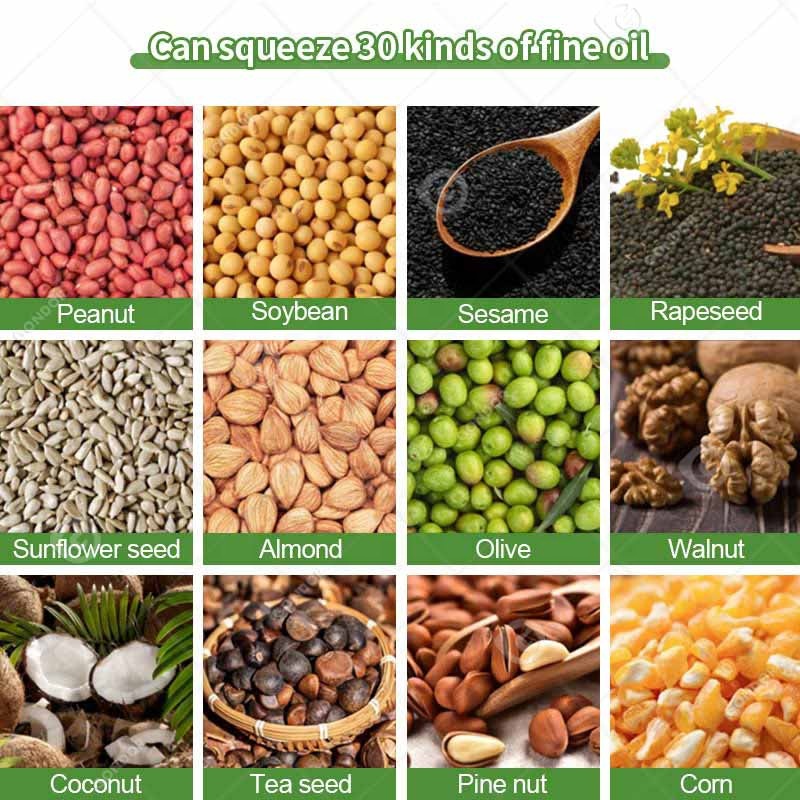
If the press is the “engine,” seed preparation is the fuel system. In practice, moisture, particle size, and thermal conditioning determine whether oil cells rupture efficiently or simply smear and trap oil in cake.
Operational checkpoints that move the yield needle
Cleaning & de-stoning: Removing sand/metal reduces screw wear and stabilizes back pressure, which directly impacts residual oil in cake.
Dehulling (where applicable): Proper hull control improves meal permeability and can reduce press load. Too much hull removal, however, may collapse the cake structure and hinder oil drainage.
Flaking: Uniform flakes improve cell rupture. Plants often target a consistent flake thickness that matches the seed type and press design; uneven flaking raises fines and blocks drainage paths.
Cooking/conditioning: A stable temperature-time profile improves viscosity and oil flow. Overheating accelerates oxidation and increases gums, which later inflate refining loss.
Moisture control: Moisture that is too low makes cake brittle and dusty; too high increases emulsions and reduces oil release. Tight control can be a bigger win than changing press parts.
For many edible oil plants, the most profitable improvements come from instrumentation (online moisture meter, stable steam/thermal oil control, feeder interlocks) rather than from chasing aggressive press settings that compromise quality.
3) High-Efficiency Pressing: Mechanics, Settings, and “Invisible” Losses
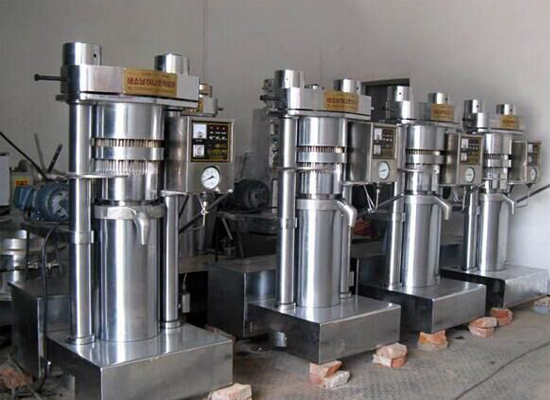
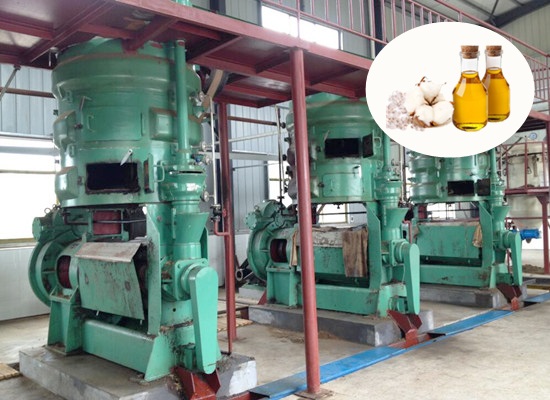
Modern screw presses achieve higher recovery by coordinating progressive compression, stable back pressure, and controlled discharge. The goal is not maximum friction—it is predictable oil drainage without burning, foaming, or meal collapse.
Key press parameters to standardize
Feed rate consistency: fluctuations cause pressure waves and unstable cake, increasing residual oil.
Pressing temperature window: control friction heat; excessive heat increases color bodies and oxidation risk.
Back pressure control: adjust choke/gap gradually, track motor load trend, and prevent sudden “over-choking.”
Cake thickness & texture: a coherent cake indicates balanced compression and drainage paths.
Screw segment mismatch: mixing old/new segments changes compression ratio and destabilizes pressure.
Excess fines from flaking: clogs the cake matrix, trapping oil even when pressure rises.
Poor lubrication & misalignment: raises power draw without improving yield, and accelerates bearing failure.
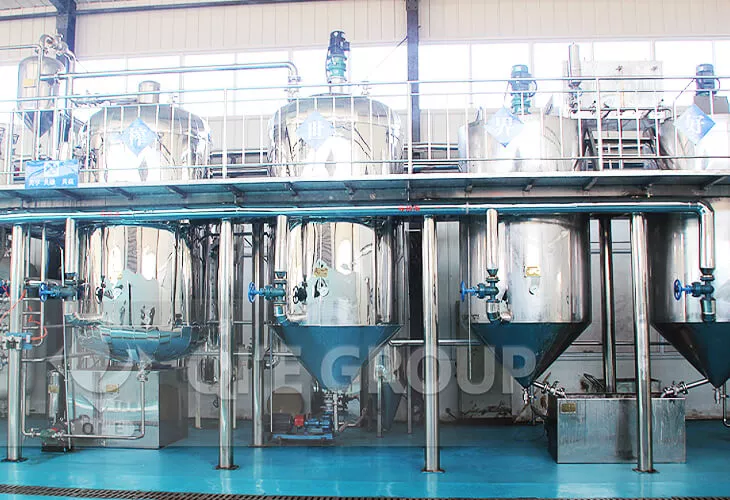
4) Refining Workflow: Increasing Yield Without Sacrificing Food Safety
Pressing yield is only half the story. In refining, losses often occur through entrained oil in gums/soapstock, poor separation, and overly aggressive dosing. A disciplined refining workflow typically includes:
Water/acid dosing accuracy, mixing energy, separation efficiency to reduce oil in gums
Neutralization
Reduce free fatty acids (FFA)
Avoid over-neutralization; monitor emulsion formation and temperature stability
Bleaching
Remove pigments, trace metals, oxidation products
Clay dosage optimization; vacuum quality; filtration integrity to prevent oil retention in spent earth
Deodorization
Remove odor volatiles; improve taste
Temperature/time balance to protect nutrients and avoid thermal degradation; steam stripping efficiency
Many plants align internal lab methods with widely used industry references such as AOCS analytical procedures for FFA, peroxide value, and moisture/volatiles, and implement HACCP-based control points for edible oil safety management.
Yield improvement in refining is often achieved by tightening separation and dosing control. For example, plants that reduce soapstock entrainment and stabilize centrifuge performance can commonly recover 0.2–0.8% more saleable oil (line- and crude-quality dependent), while also improving clarity and storage stability.
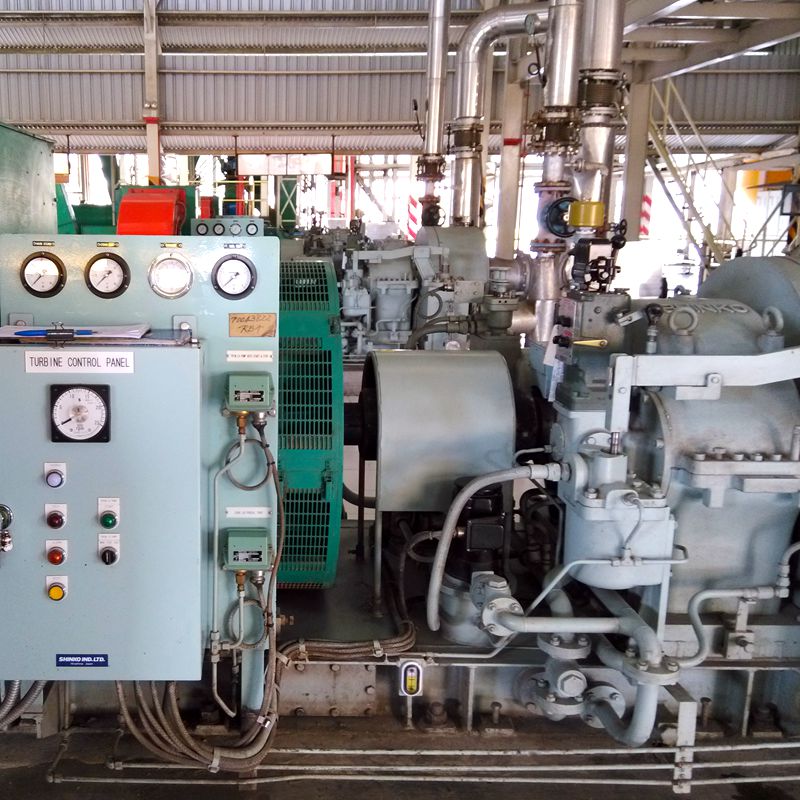
5) Automation & Control: Turning “Operator Skill” into Repeatable Performance
In many mills, the difference between average and excellent yield is not equipment brand—it is process repeatability. Automation does not replace experienced technicians; it protects them from constant firefighting by keeping critical variables stable.
High-impact automation modules for oil pressing lines
Detects abnormal friction, screen blockage, or lubrication problems before yield drops.
Batch recipe management
Locks in the correct moisture/conditioning profile per seed type, reducing human variation.
Mass-balance reporting
Reveals where oil is being lost (cake, fines, soapstock, spent earth) using daily dashboards.
Plants that implement basic PLC-based interlocks (feed stability, overload protection, temperature alarms, lubrication confirmation) often report less unplanned downtime and more stable quality metrics—especially during seasonal raw material variation.
6) Maintenance That Protects Yield: What to Inspect, When, and Why
Wear and contamination quietly erode extraction efficiency. A press can “still run” while yield slips for weeks. The most effective maintenance programs are not complicated—they are scheduled, measurable, and linked to yield indicators.
Practical maintenance plan (pressing section)
Frequency
Inspection/Action
Yield/quality reason
Every shift
Record motor load trend, cake appearance, oil clarity; check abnormal noise/vibration
Early detection of choking, screen blockage, misalignment
Prevents gradual yield drift and sudden breakdowns
Quarterly/Planned stop
Replace worn segments/screens per measured tolerance; inspect bearings and seals
Restores designed compression ratio and prevents contamination risk
A yield-focused maintenance culture also protects food safety: worn seals can introduce contaminants; degraded lubrication practices can raise the risk of off-odors or accidental contact. Plants that follow HACCP principles typically map these risks into preventive maintenance tasks and verification records.
7) Energy Saving & Environmental Controls That Also Improve Yield
In oil processing, energy waste often indicates process instability. Smart plants treat “green upgrades” as productivity upgrades. Common examples include:
Heat recovery & insulation
Better thermal stability reduces overdosing in refining and prevents overcooking in conditioning. Industrial audits commonly show 5–15% thermal energy savings when steam lines and vessels are properly insulated and condensate is recovered.
VFD drives on feeders & pumps
Stabilizes flow and reduces mechanical shock. Many plants see lower peak loads, fewer trips, and better separation performance when flow becomes steady.
Dust & odor control
Clean air handling reduces fine losses and improves workplace safety. Better housekeeping also protects bearings, sensors, and electrical cabinets from premature failure.
Environmental controls also support brand credibility when supplying industrial buyers, food manufacturers, and distributors that audit for compliance and traceability.
8) Common Abnormalities and Fast Corrective Actions (Operator-Friendly)
When yield drops, the right response is a structured check—not guesswork. Below are frequent shop-floor symptoms and the most likely technical causes.
Choke too tight, foreign material, bearing/gear issue
Reduce choke → stop and remove foreign material → check lubrication and vibration trend
Burnt odor / dark color
Overheating in conditioning or press friction
Verify conditioning temperature control → check screen blockage → reduce friction hotspots
For teams training new operators, this troubleshooting map can be turned into a shift checklist. Plants that formalize these checks typically shorten diagnosis time and keep output consistent during raw material changes.
9) Buyer-Grade Proof: Records, Standards, and Confidence in Your Oil
Industrial buyers increasingly expect process documentation: traceable batches, lab records, preventive maintenance logs, and defined critical limits. Aligning plant practices with HACCP and widely used analytical references such as AOCS methods helps communicate control—not just capacity. It also supports smoother audits for downstream customers in food, hospitality, and retail supply chains.
Suggested “minimum evidence pack” for operations teams
Daily mass balance: raw material → crude oil → cake → fines → refining outputs
Centrifuge/filtration log: differential pressure, cycle times, filter media changes
Preventive maintenance records tied to measured wear (not only calendar time)
If the plant sells into premium channels, clarity and stability matter as much as yield. The best operators treat data as a profit tool: it reveals where oil is quietly being lost and where quality can drift before customers notice.
10) Invite the Industry: Share Your Yield Challenges (UGC Loop)
Different seeds, different climates, different presses—real yield problems are rarely identical. Engineers and mill managers are invited to submit: seed type, capacity (t/day), current residual oil in cake, and the symptom profile (load swings, cloudy crude, high soapstock loss, etc.). Selected cases can be turned into a practical troubleshooting note for the community, with actionable parameter checks and maintenance recommendations.
Need a Higher-Yield Pressing & Refining Setup?
Get engineering-grade reference materials: process parameters, maintenance checklists, refining loss reduction tips, and automation options tailored to your oilseed and capacity.
If the plant team is comfortable sharing data, include a recent 7-day snapshot of: raw material moisture, press motor load trend, residual oil in cake, and refining loss. That combination usually reveals the fastest path to higher recovery.