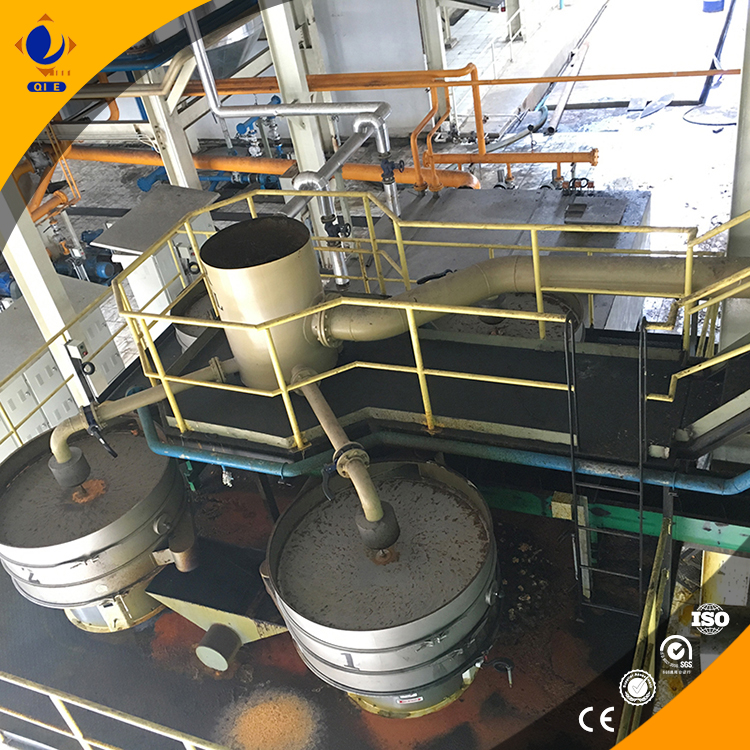
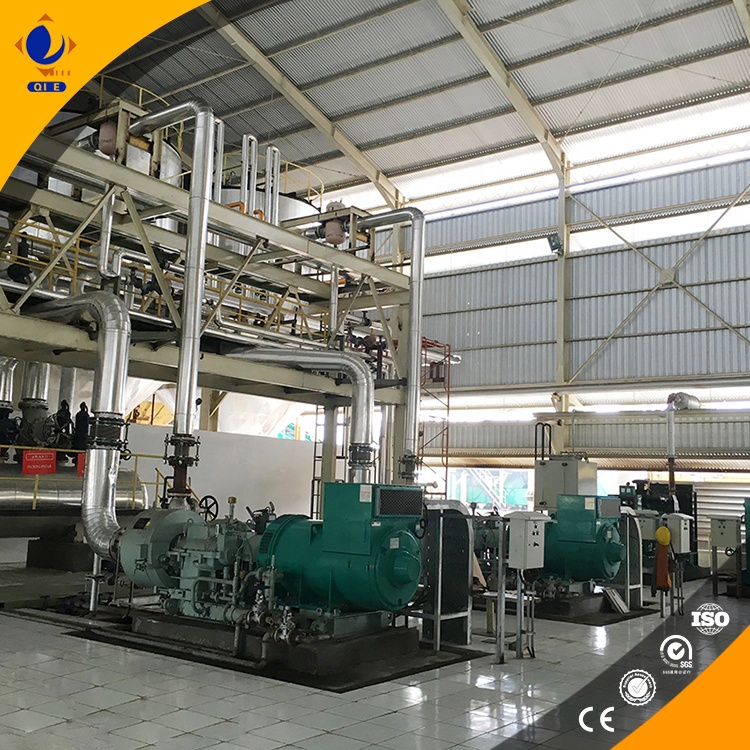
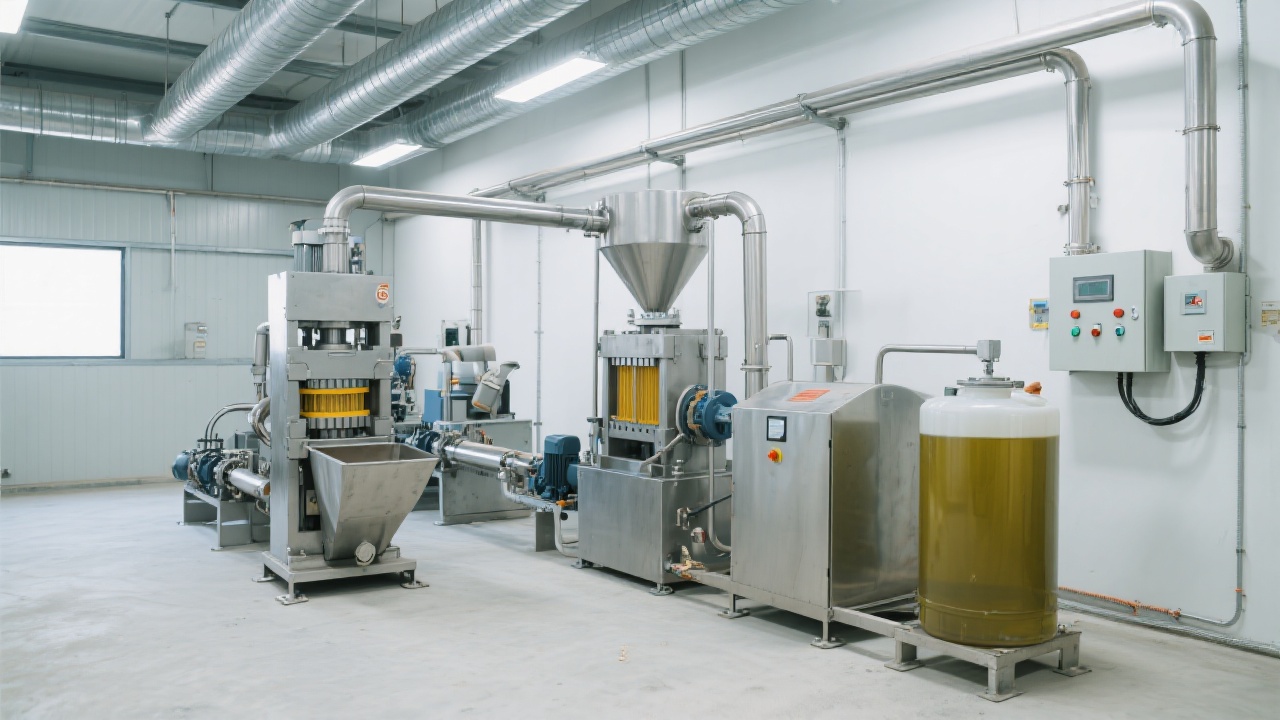
In the competitive landscape of edible oil production, process optimization is critical—especially when it comes to delicate oils like corn germ oil. Intelligent temperature control systems have emerged as a game changer in the pressing process, offering precise thermal regulation that directly influences oil yield, nutritional retention, and flavor integrity. This article dissects the core technological advancements behind these systems and examines their practical benefits within modern corn germ oil extraction lines.
Traditional mechanical presses often suffer from uneven heating, leading to suboptimal oil extraction and quality degradation. By contrast, intelligent temperature control integrates real-time sensors and adaptive algorithms that monitor and adjust the pressing temperature dynamically. This ensures the process remains within optimal thermal windows, typically between 110°C and 130°C for corn germ oil pressing, where enzymatic activity is minimized and oil viscosity is ideal for extraction.
The result is a stable temperature curve that prevents overheating—a common factor behind oil darkening and nutrient loss. In pilot tests, plants equipped with these systems demonstrated temperature fluctuations limited to ±1°C, compared to ±5-7°C in conventional setups, directly translating into higher product consistency.
Data collected from multiple case studies reveal that intelligent temperature control can boost oil yield by approximately 8%-12%, a significant margin in large-scale operations. For instance, a mid-sized facility processing 20 tons of corn germ daily saw an increase from 6.5% to 7.2% oil extraction rate after system implementation.
Beyond quantity, the system enhances quality by preserving heat-sensitive nutrients such as Vitamin E and phytosterols. Laboratory analyses showed nutrient retention improving by up to 15% compared to oils produced without precise temperature control, contributing to a richer antioxidant profile and better health benefits.
One of the system’s strong suits is its adaptability. Whether deployed in small-scale artisanal presses or integrated into extensive industrial lines exceeding 100 tons daily, the intelligent control modules calibrate seamlessly to varying capacities. This flexibility ensures that investment yields optimal return regardless of factory size.
Clients report quick commissioning cycles—typically less than two weeks—including installation and training—which minimizes downtime and accelerates ROI. The modular architecture also allows easy retrofitting onto existing equipment, reducing capital expenditure while upgrading production capabilities.
Beyond cutting-edge hardware, consistent performance depends on robust support. Leading providers accompany the intelligent temperature control systems with technical training programs tailored to operator skill levels, enabling proper usage and maintenance.
Furthermore, remote diagnostics help detect anomalies early, reducing unplanned downtime. An efficient supply chain for spare parts guarantees parts availability within 48 hours, critical for continuous production cycles.
Common challenges such as the emergence of burnt flavors and unstable oil output volumes are frequently traced to uncontrolled temperature spikes and inconsistent press operation. Intelligent temperature control eliminates these issues by maintaining stable thermal profiles and adapting heating rates to real-time pressure and humidity conditions.
For example, a domestic oil processor reported zero incidences of “foul” odors post-installation, and oil output variance narrowed from over 4% to less than 1.5% from batch to batch.
“Integrating smart temperature regulation transformed our pressing operation. Not only did we raise the yield, but the oil quality improvements attracted premium buyers. The system’s reliability and intuitive interface also saved us training hours.” – Industry Expert, FoodTech Solutions, 2024

 394
|
394
|
 Automatic Peanut Oil Press Machine
Soybean Oil Spiral Cold Pressing Machine
High Efficiency Oil Extractor
Low Temperature Oil Processing Machine
Multi-Purpose Oil Press Equipment
Oil Extraction Machine for Small Scale Oil Mills
Affordable Oil Processing Solution
High Yield Peanut Oil Press
Reliable Cold Press Oil Machine
Automatic Peanut Oil Press Machine
Soybean Oil Spiral Cold Pressing Machine
High Efficiency Oil Extractor
Low Temperature Oil Processing Machine
Multi-Purpose Oil Press Equipment
Oil Extraction Machine for Small Scale Oil Mills
Affordable Oil Processing Solution
High Yield Peanut Oil Press
Reliable Cold Press Oil Machine
 201
|
pressing machine parameter adjustment
oilseed pressing technology
oil yield improvement methods
energy saving in oil extraction
efficient oil pressing techniques
201
|
pressing machine parameter adjustment
oilseed pressing technology
oil yield improvement methods
energy saving in oil extraction
efficient oil pressing techniques
 149
|
multifunctional peanut oil refining equipment
peanut oil processing equipment for large-scale production
refining equipment to increase export sales
149
|
multifunctional peanut oil refining equipment
peanut oil processing equipment for large-scale production
refining equipment to increase export sales
 80
|
high-efficiency oil press machine
automated peanut oil press machine
Peanut Oil Press Machine production line
environmentally friendly oil extraction equipment
high-capacity oil press machine
oil extraction machinery for agriculture
global oil press machine suppliers
reliable oil press machine manufacturer
Peanut Oil Press Machine for food industry
automated oil processing solutions
80
|
high-efficiency oil press machine
automated peanut oil press machine
Peanut Oil Press Machine production line
environmentally friendly oil extraction equipment
high-capacity oil press machine
oil extraction machinery for agriculture
global oil press machine suppliers
reliable oil press machine manufacturer
Peanut Oil Press Machine for food industry
automated oil processing solutions
 304
|
Fully Automatic Cold Oil Press Machine
Peanut Oil Press Machine
Plant Oil Extraction Equipment
High Efficiency Oil Machine
Oil Press Machine for Soybean
Eco-Friendly Oil Extraction
Automated Oil Processing Equipment
Small Scale Oil Production Machine
Commercial Oil Processing Solutions
Oil Press for Agricultural Cooperatives
304
|
Fully Automatic Cold Oil Press Machine
Peanut Oil Press Machine
Plant Oil Extraction Equipment
High Efficiency Oil Machine
Oil Press Machine for Soybean
Eco-Friendly Oil Extraction
Automated Oil Processing Equipment
Small Scale Oil Production Machine
Commercial Oil Processing Solutions
Oil Press for Agricultural Cooperatives