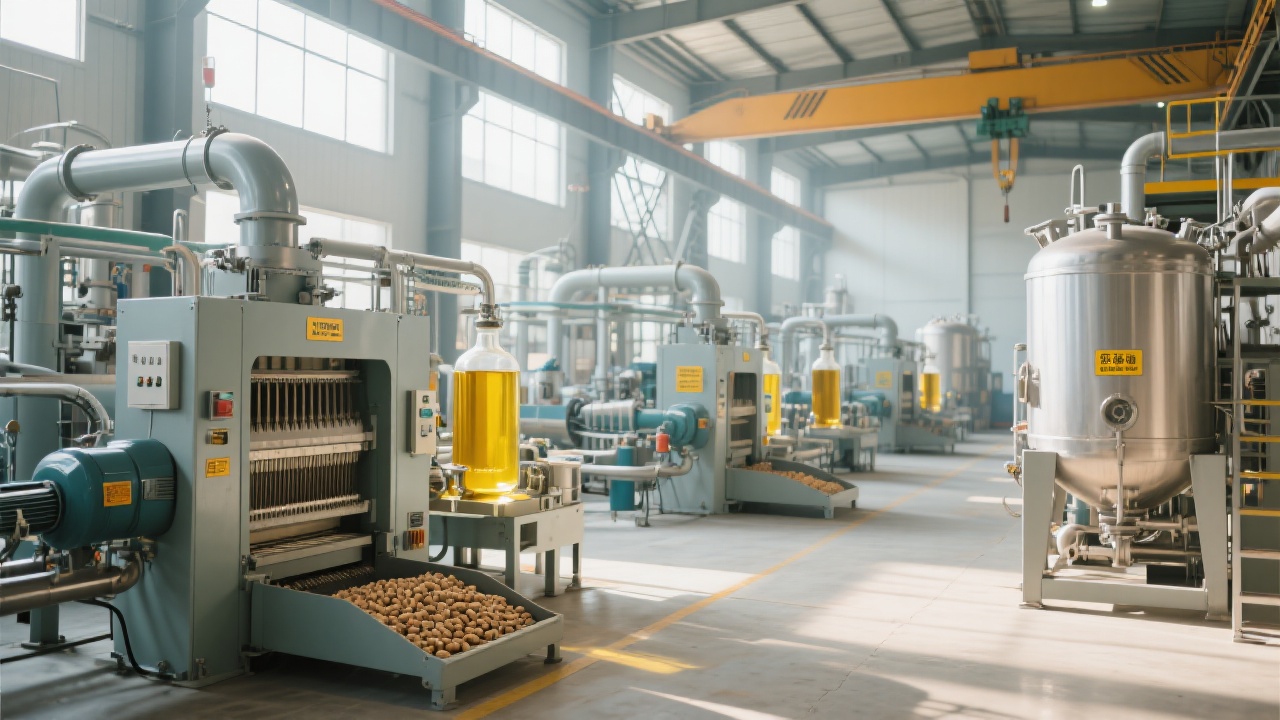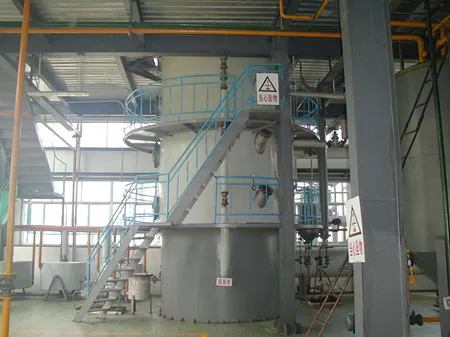
In today’s competitive grain oil processing industry, mastering temperature control during physical pressing is pivotal to unlocking optimal oil yield and preserving premium qualities like nutrition and aroma. If you are responsible for operating or managing grain oil pressing equipment, understanding how intelligent temperature control systems influence your process can elevate your production efficiency and product value significantly.
At the core of physical pressing, temperature directly affects the molecular structure of oil-bearing components. Thermodynamics research published by the Agricultural Sciences Academy shows that maintaining a precise temperature window during pressing—for example, between 50°C to 60°C for corn germ oil—maximizes cell wall rupture without inducing thermal degradation of lipids.
Smart temperature control systems utilize real-time sensors and adaptive feedback loops to keep pressing temperatures within this ideal range. This not only boosts the extraction efficiency by up to 8% compared to traditional pressing but also preserves volatile compounds responsible for the natural fragrance and nutritional profile of high-quality corn germ oil.
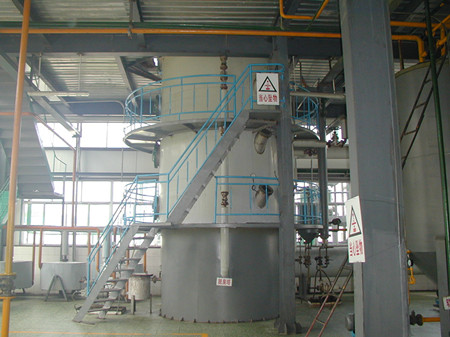
Data from recent processing trials show key performance gaps:

Despite advanced systems, typical issues still arise:
Each of these can reduce your oil’s marketability and margin potential—a crucial insight for processors aiming to let every drop of corn germ oil deliver maximum value.
Implementing precise temperature management requires more than hardware; it demands actionable know-how:
These steps establish a robust operation that curbs quality fluctuations and uplifts your productivity baseline.
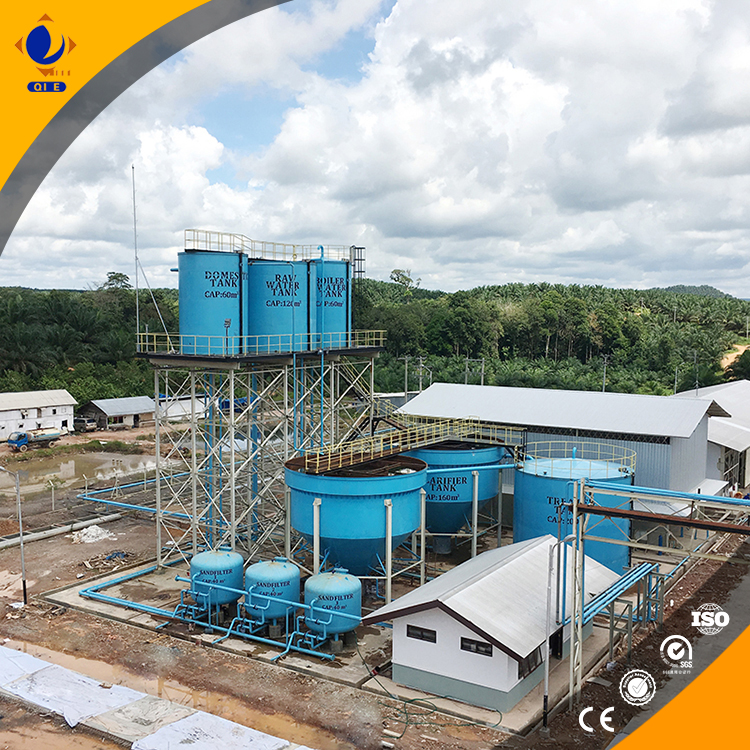
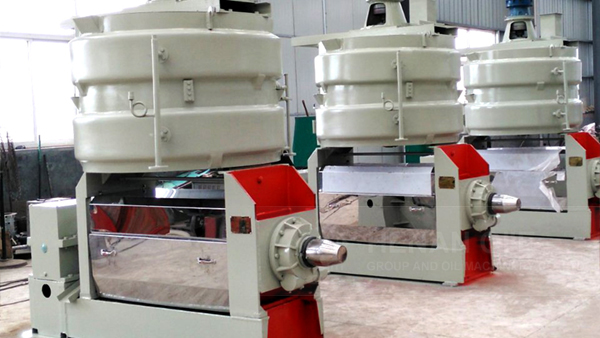
The temperature system’s best performance hinges on well-maintained pressing machinery. Mechanical wear—such as gasket aging or uneven press plates—can cause hotspots or cooling inefficiencies, undermining your smart system’s algorithms.
Proactively integrate mechanical inspection with your temperature monitoring schedules. Replace worn components promptly and lubricate moving parts regularly. This synchronization ensures your temperature controls don’t just operate smartly but reliably.

 355
|
355
|
 peanut oil quality control
HACCP certification process
ISO 22000 oil production standards
automated peanut oil pressing
sustainable oil manufacturing
peanut oil quality control
HACCP certification process
ISO 22000 oil production standards
automated peanut oil pressing
sustainable oil manufacturing
 304
|
Peanut oil quality control
international edible oil standards
automated peanut oil pressing
food export compliance
green production guidelines
304
|
Peanut oil quality control
international edible oil standards
automated peanut oil pressing
food export compliance
green production guidelines
 93
|
peanut oil refining equipment
multifunctional oil processing solutions
stainless steel oil refining technology
93
|
peanut oil refining equipment
multifunctional oil processing solutions
stainless steel oil refining technology
 109
|
fully automatic peanut oil press machine
peanut oil press installation checklist
peanut oil production line configuration
automated oil extraction equipment
oil press machine commissioning
196
|
multi-functional peanut oil refining equipment
food safety compliance peanut oil processing equipment
scalable peanut oil refining solutions
109
|
fully automatic peanut oil press machine
peanut oil press installation checklist
peanut oil production line configuration
automated oil extraction equipment
oil press machine commissioning
196
|
multi-functional peanut oil refining equipment
food safety compliance peanut oil processing equipment
scalable peanut oil refining solutions
.jpg)