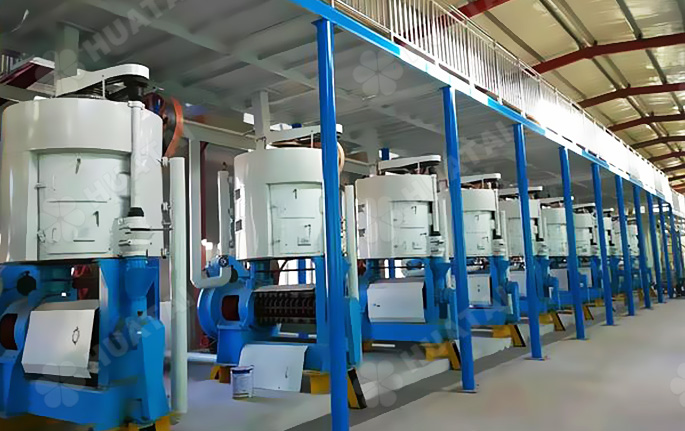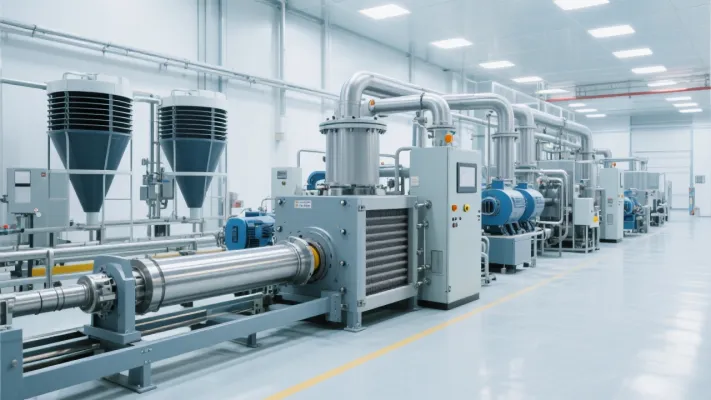
As global demand for edible oils and biofuels rises steadily, small and medium-sized oilseed processing enterprises find themselves at a pivotal crossroads. Optimizing the selection of oil pressing equipment is no longer just about capacity—it's a multifaceted decision balancing efficiency, energy consumption, versatility, and operational ease. This analysis unpacks the critical parameters that influence machine choice and demonstrates how leveraging advanced technologies and service support can boost production yield and profitability.
Pressing efficiency directly impacts both output volume and oil quality. Modern small to mid-capacity screw presses achieve extraction rates typically ranging from 85% to 95%, depending on seed type and moisture content. For example, mechanical screw presses designed for soybean and sunflower seeds can reach up to 93% efficiency. Selecting machines with optimized screw design and variable speed control enables operators to fine-tune pressing parameters, maximizing yield within acceptable extraction residues.
Energy use constitutes a significant portion of operational cost. Advanced pressing equipment leveraging variable frequency drives (VFD) and energy-efficient motors can reduce power consumption by up to 20% compared to older models. Data from recent industry reports suggest that adopting equipment with superior thermal insulation and continuous operation capabilities saves approximately 15-18 kWh per ton of oilseed processed. While such technology may increase initial investment, the ROI typically manifests within 12-18 months through electricity savings alone.
Ease of operation is vital for enterprises with limited technical staff. Machines equipped with automated feeding systems, intuitive control panels, and real-time monitoring reduce human error and maintenance downtime. According to a 2023 survey of contemporary oilseed mills, equipment featuring integrated monitoring decreased unplanned downtime by approximately 25%. Training requirements are also significantly shorter, allowing for rapid workforce onboarding.
Mid-sized oil producers frequently process multiple seed types such as rapeseed, peanut, and sesame, each demanding different pressing parameters. Multi-functional presses with adjustable screw diameter and temperature control accommodate up to 5 distinct seed varieties without major retooling. Such versatility not only prevents production interruptions but also extends market reach. Choosing equipment with modular designs facilitates future upgrades aligned with evolving raw material profiles.
Today's leading oil pressing machines incorporate features like pre-pressing, screw heating, and automatic cake discharge. These integrations enhance throughput by an average of 15-20% while preserving oil purity. Furthermore, robust construction employing stainless steel contact parts resists corrosion, reducing wear and ensuring compliance with food safety standards. Lifecycle analysis indicates that machines with superior material quality deliver at least 30% longer operational spans before major service is needed.
Reliable after-sales support, including timely spare parts, onsite troubleshooting, and remote monitoring, forms an indispensable pillar for uninterrupted production. Industry statistics reveal that oil mills partnering with suppliers providing comprehensive service packages experience 40% fewer production stoppages annually. This service continuity not only protects operational investment but also contributes crucially to long-term competitiveness.
| Feature | Industry Average | Advanced Models |
|---|---|---|
| Oil Extraction Efficiency | 85-90% | 90-95% |
| Energy Consumption (kWh/ton) | 20-25 | 17-20 |
| Downtime Reduction | - | ~25% |
| Multi-Seed Compatibility | Up to 3 types | Up to 5 types |
With a rigorous data-driven approach to equipment selection, small and medium-sized oil factories can confidently invest in machines that meet their unique production mix and resource constraints. In addition to technical specifications, it is crucial to engage with manufacturers who prioritize ongoing support and technological innovation.
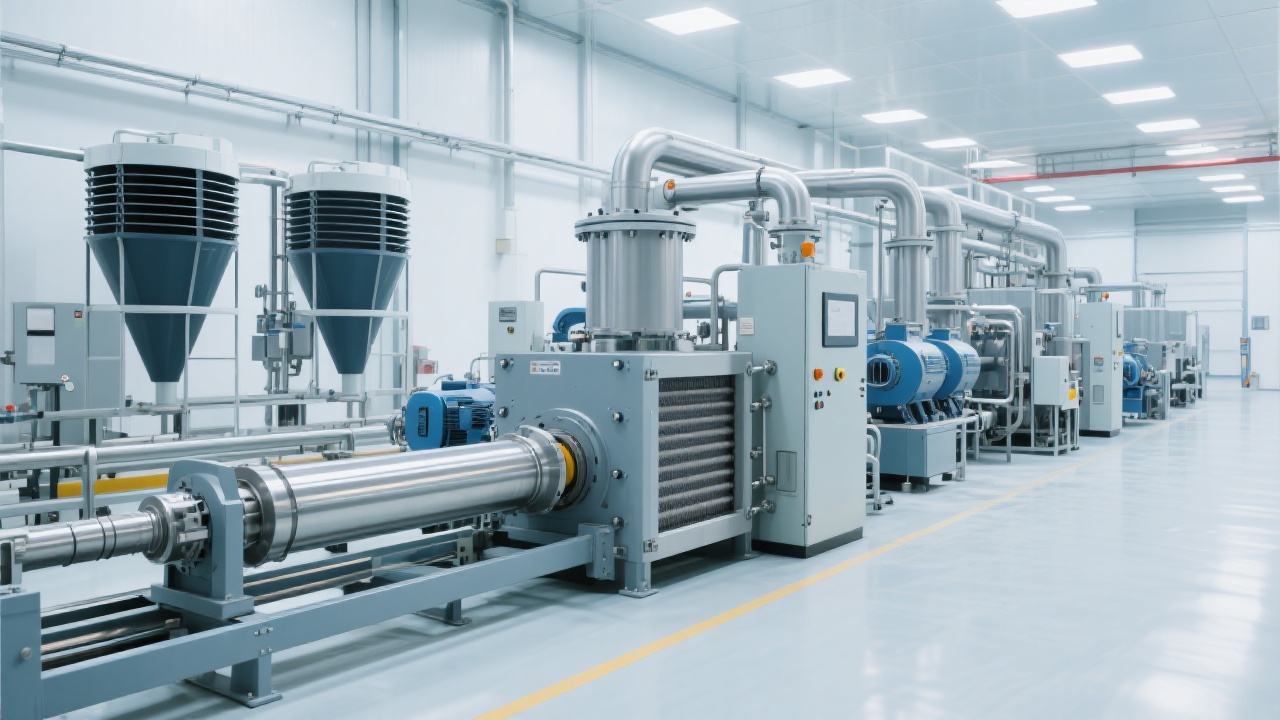
Q1: How does seed moisture content affect oil extraction efficiency?
A1: Optimal moisture content between 6-8% promotes better oil release during pressing. Excess moisture reduces pressing efficiency and can degrade equipment over time.
Q2: Are automatic cleaning features beneficial for SMEs?
A2: Yes, automatic cleaning reduces manual labor and downtime, enhancing hygiene and prolonging machine lifespan.
Q3: What is the typical maintenance interval for quality pressing equipment?
A3: With proper usage, routine maintenance is recommended every 1,000 operation hours or about every 3 months for continuous operations.
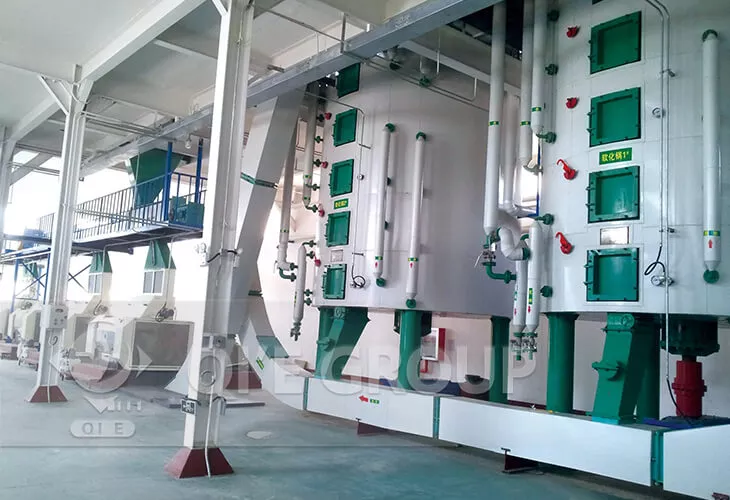
The integration of state-of-the-art features with sturdy build quality and comprehensive after-sales support ultimately defines equipment excellence. Small and medium oil mills that embrace such holistic solutions position themselves to thrive amid evolving market demands.
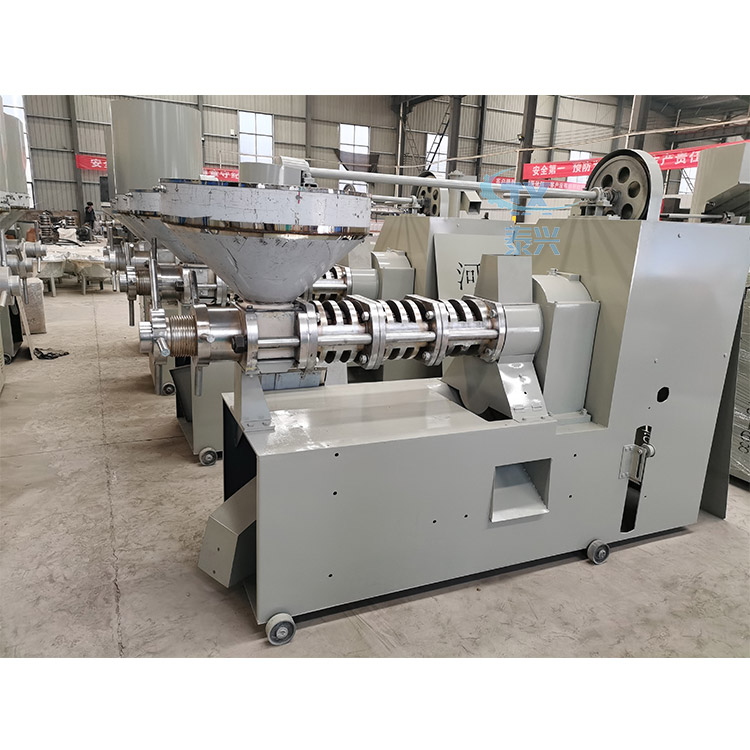
Ready to transform your oil extraction process with cutting-edge automation and unmatched versatility?
Discover the QIE Group’s Fully Automatic Multi-Functional Oil Press Now

 469
|
469
|
 Peanut Oil Press Machine
Multi-Functional Peanut Oil Refining Equipment
Peanut Oil Refining Plant
High Efficiency Peanut Oil Processors
ISO Certified Peanut Oil Extraction
Energy-Efficient Peanut Oil Machines
Peanut Oil Production Standards
Peanut Oil Processing Technology
Eco-Friendly Peanut Oil Refining Solutions
Peanut Oil Press Machine
Multi-Functional Peanut Oil Refining Equipment
Peanut Oil Refining Plant
High Efficiency Peanut Oil Processors
ISO Certified Peanut Oil Extraction
Energy-Efficient Peanut Oil Machines
Peanut Oil Production Standards
Peanut Oil Processing Technology
Eco-Friendly Peanut Oil Refining Solutions
 79
|
multifunctional peanut oil refining equipment features
eco-friendly peanut oil refining solutions
suitable equipment for small oil mills
79
|
multifunctional peanut oil refining equipment features
eco-friendly peanut oil refining solutions
suitable equipment for small oil mills
 251
|
multifunctional peanut oil refining equipment
high-quality peanut oil production
Penguin Group refining solutions
251
|
multifunctional peanut oil refining equipment
high-quality peanut oil production
Penguin Group refining solutions
 52
|
Peanut Oil Press Machine
Automatic Peanut Oil Press
Cold Extraction Peanut Oil Press
High Efficiency Peanut Oil extractor
Peanut Oil Production Machine
Soybean Oil Press Machine
Versatile Oil Press Equipment
ISO9001 Certified Oil Press
Low Maintenance Peanut Oil Machine
52
|
Peanut Oil Press Machine
Automatic Peanut Oil Press
Cold Extraction Peanut Oil Press
High Efficiency Peanut Oil extractor
Peanut Oil Production Machine
Soybean Oil Press Machine
Versatile Oil Press Equipment
ISO9001 Certified Oil Press
Low Maintenance Peanut Oil Machine
 376
|
Peanut Oil Press Machine
Multi-Functional Peanut Oil Refining Equipment
High-Efficiency Oil Processing Equipment
ISO Certified Peanut Oil Refiner
Eco-Friendly Peanut Oil Press Machine
Advanced Peanut Oil Refining Technology
Peanut Oil Processing Solutions
Small Scale Peanut Oil Refining
Industrial Peanut Oil Refining Equipment
376
|
Peanut Oil Press Machine
Multi-Functional Peanut Oil Refining Equipment
High-Efficiency Oil Processing Equipment
ISO Certified Peanut Oil Refiner
Eco-Friendly Peanut Oil Press Machine
Advanced Peanut Oil Refining Technology
Peanut Oil Processing Solutions
Small Scale Peanut Oil Refining
Industrial Peanut Oil Refining Equipment