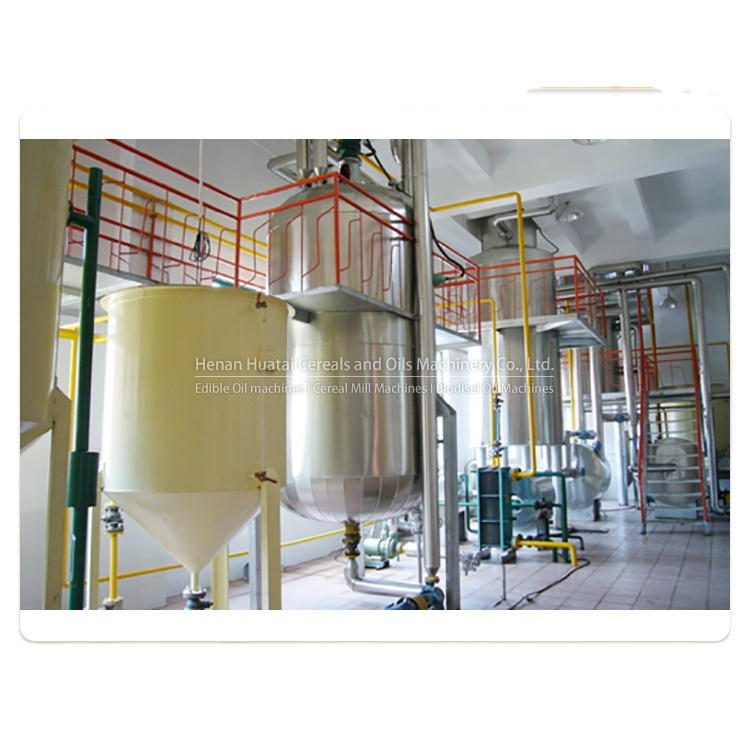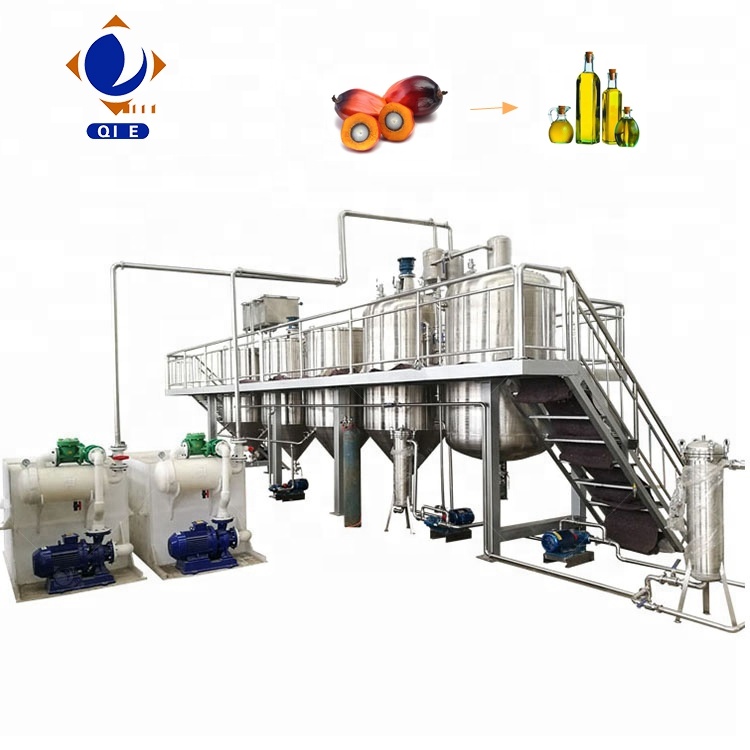
In the competitive global edible oil market, particularly for peanut oil exporters, maintaining exceptional quality while maximizing yield is paramount. Leveraging advanced low-temperature spiral cold pressing technology fundamentally enhances both nutritional value and extraction efficiency. This article delves into the scientific principles behind this technology, highlights best practices through real-world production case studies, and provides actionable insights to help small-scale oil mills optimize their processes.
The essence of low-temperature cold pressing lies in carefully controlling pressing temperatures to preserve sensitive bioactive compounds such as vitamin E and phytosterols found in peanut oil. Maintaining temperatures below 45°C (113°F) during extraction prevents oxidative degradation and nutrient loss, which are common in conventional hot pressing methods.
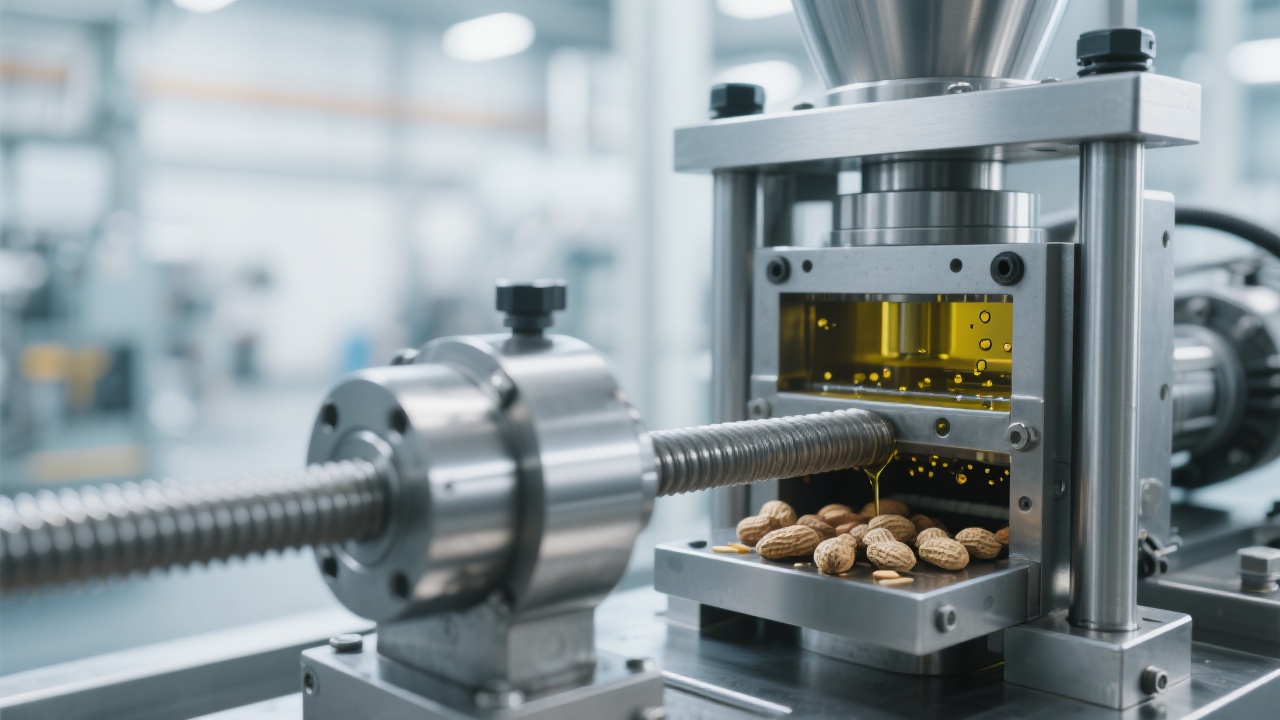
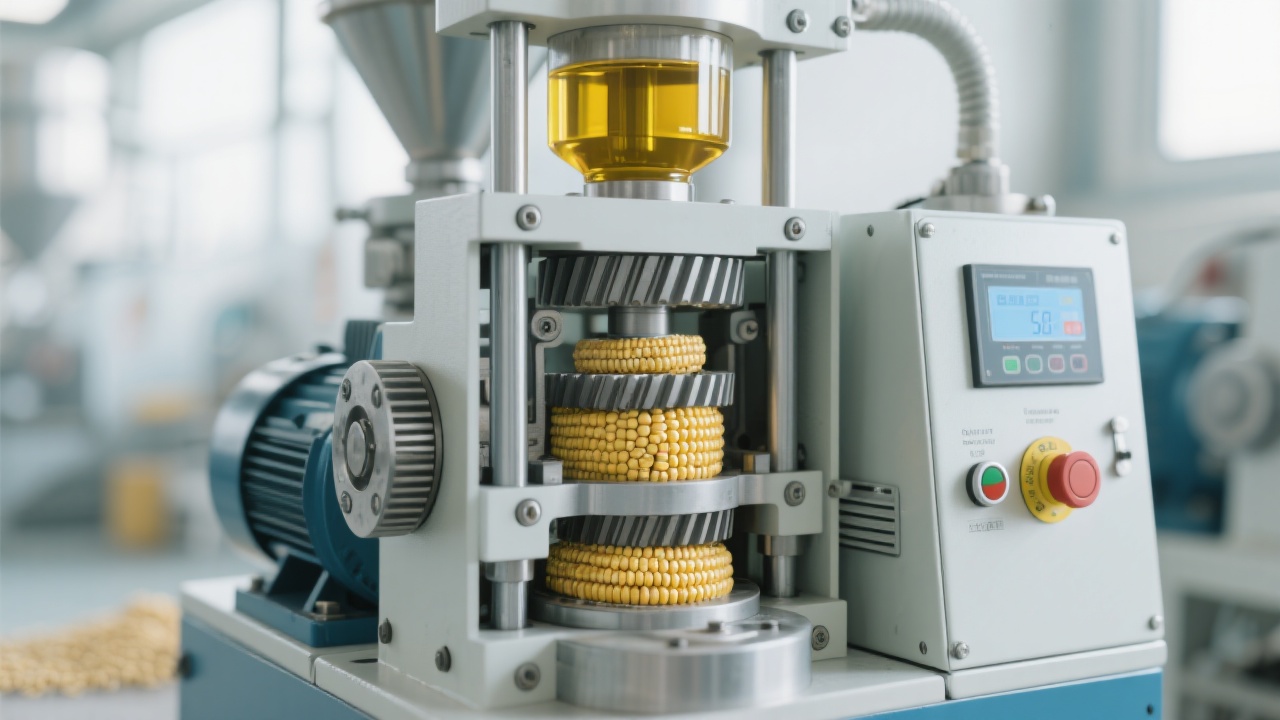
Spiral cold press machines utilize a continuously rotating screw design which applies consistent mechanical pressure to crushed peanuts without generating substantial heat. This precision temperature management is complemented by optimized feeding speeds and pressure parameters, maximizing oil yield while protecting quality.

A medium-sized peanut oil mill in northern China implemented state-of-the-art low-temperature spiral cold pressing equipment combined with a refined raw material pretreatment procedure involving dehulling, drying to 7% moisture, and gentle crushing. This approach stabilized the pressing temperature between 38°C and 42°C.
Adjusting the screw speed to a moderate 30 rpm and increasing hydraulic pressure by 15% allowed the mill to boost oil extraction rates from 35% to 41.3% on dry weight basis. Analytical tests showed a retention of 92% vitamin E content compared to traditional hot pressed oil, enhancing nutritional appeal for the export market.

Many small oil mills struggle with inconsistent product quality due to excessive temperature rises during pressing or inadequate equipment maintenance. Key recommendations include:
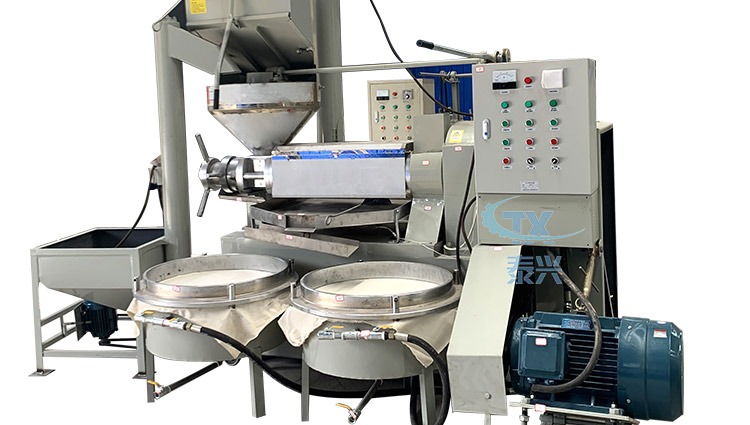
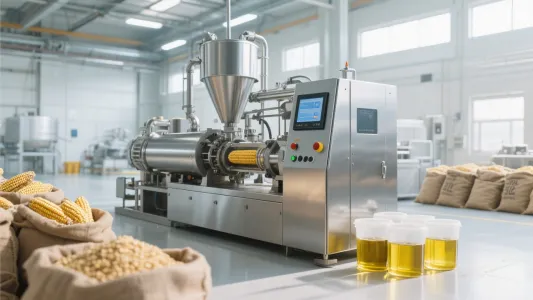
The evolving global edible oil landscape demands products that comply with stringent export regulations, especially regarding nutritional content and sensory quality. Advanced fully automatic peanut and soybean oil spiral cold pressing machines integrate IoT-enabled temperature and pressure control systems, ensuring high precision and repeatability in production runs.
These intelligent machines also support quick changeover settings for different oil seeds and enable data logging for quality traceability — a significant selling point for export buyers focused on product consistency and certification compliance.

Investing in sophisticated low-temperature cold pressing technology is a proven strategy to enhance peanut oil’s nutritional profile and extraction yield. By embracing data-driven temperature control, optimized raw material workflows, and robust equipment maintenance protocols, small-scale oil mills can confidently meet expanding export market demands while boosting profitability.
 336
|
336
|
 Physical pressing
Corn germ oil
Intelligent temperature control
High - efficiency pressing equipment
Grain and oil processing technology
Physical pressing
Corn germ oil
Intelligent temperature control
High - efficiency pressing equipment
Grain and oil processing technology
 434
|
palm oil refining equipment
automated refining systems
energy-efficient palm oil processing
434
|
palm oil refining equipment
automated refining systems
energy-efficient palm oil processing
 343
|
multi-functional peanut oil refining equipment
industrial scale peanut oil refining solutions
peanut oil refining equipment for small oil mills
343
|
multi-functional peanut oil refining equipment
industrial scale peanut oil refining solutions
peanut oil refining equipment for small oil mills
 384
|
Automatic peanut oil press
Peanut oil press installation
Peanut oil press purchase guide
Equipment debugging tutorial
Oil extraction equipment
384
|
Automatic peanut oil press
Peanut oil press installation
Peanut oil press purchase guide
Equipment debugging tutorial
Oil extraction equipment