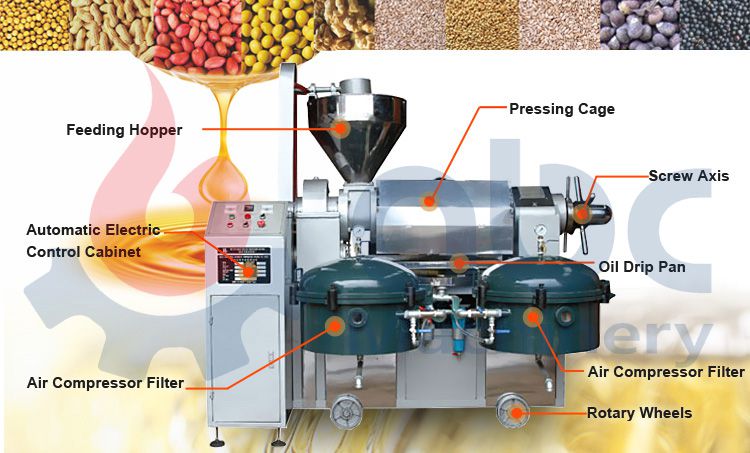
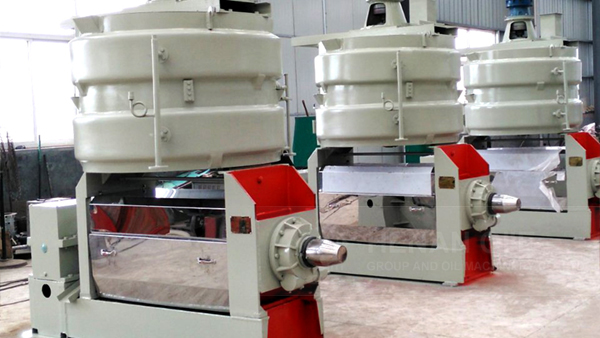
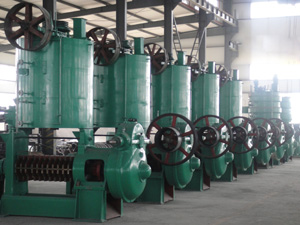
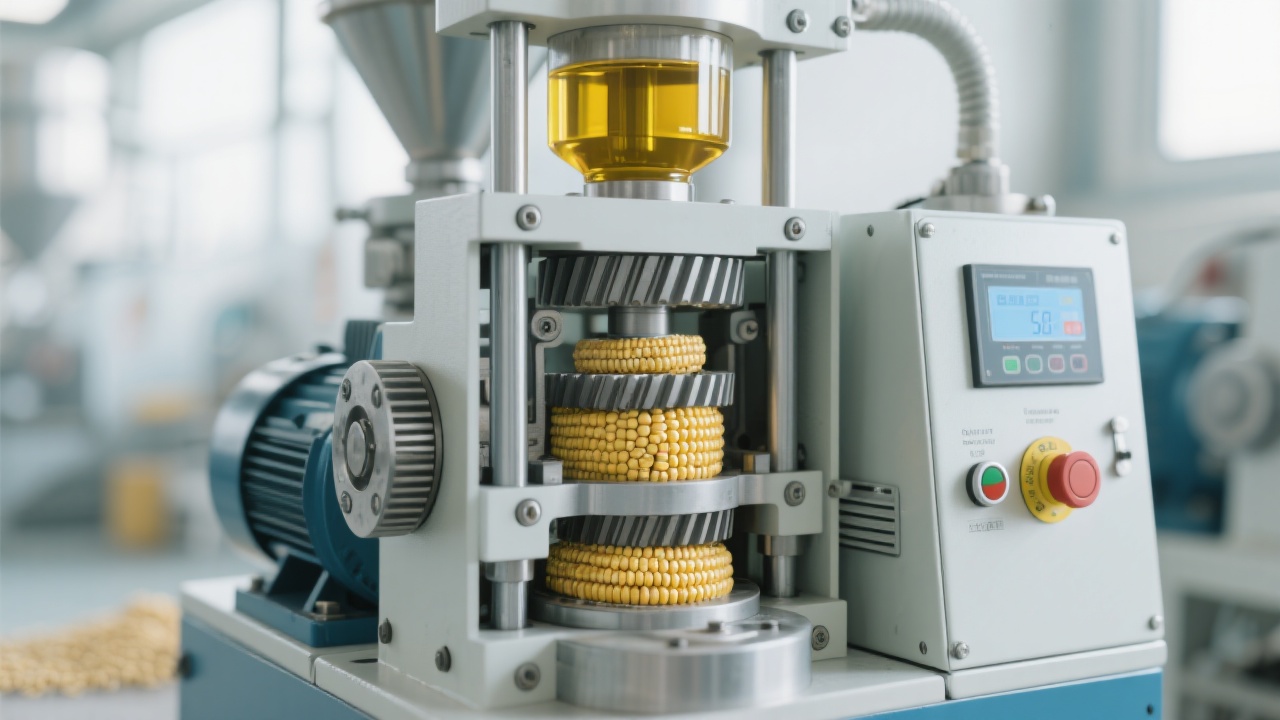
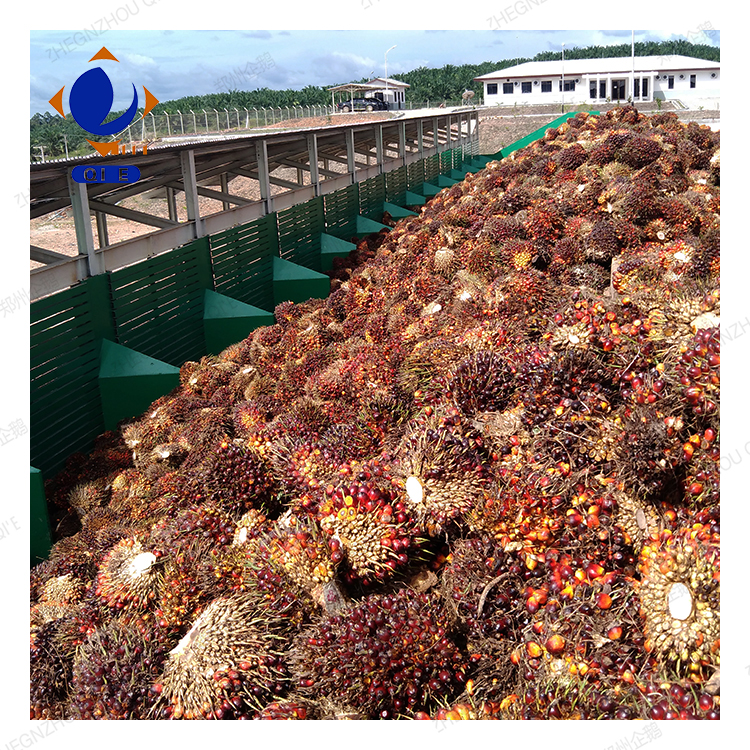
This article provides a practical technical breakdown of QIE Group’s multi-function oil press, focusing on the engineering factors that most directly improve oil yield and environmental performance in modern vegetable oil processing. It explains high-efficiency pressing design, eco-oriented manufacturing standards, adaptability to multiple oilseeds (e.g., rapeseed, peanut, sesame, sunflower), and safety-oriented oil quality control. Supported by industry-referenced benchmarks and a concise application case, the article highlights measurable benefits in energy saving, waste reduction, and stable output quality—helping grain and oil processors evaluate equipment scientifically, optimize ROI through process matching, and strengthen long-term production competitiveness. Readers are invited to click to get dedicated configuration recommendations based on capacity, seed type, and compliance needs.
High-Efficiency Multi-Function Oil Press Machine: The Technical Levers Behind Higher Yield & Cleaner Production
In today’s edible oil market, processors are squeezed from both sides: raw material costs fluctuate while buyers demand stable quality, food safety documentation, and greener manufacturing. The practical question is no longer “Can it press oil?” but “Can it press more oil per ton, keep the oil clean, reduce energy and waste, and run reliably across multiple seeds?” This technical breakdown explains how QIE Group’s multi-function oil press machine addresses the two most decisive KPIs—oil yield and environmental performance—and how to evaluate those features in procurement.
Why it matters (industry baseline): In small-to-mid edible oil plants, a 1–3% yield swing can change monthly gross margin more than many operators expect, especially for sunflower, peanut, and rapeseed. Meanwhile, energy and wastewater compliance are increasingly audited in Southeast Asia, the Middle East, Africa, and Eastern Europe.
1) High-Oil-Yield Pressing: Where “Efficiency” Really Comes From
Many buyers compare machines by motor power and output per hour. That’s only a small part of the picture. In real pressing, oil yield is dictated by a chain of mechanical and thermal decisions: feeding stability, screw geometry, pressing chamber tolerance, back-pressure control, and temperature management. A multi-function oil press machine that is designed as a system—not a collection of parts—typically delivers more stable yield across different seeds.
Key lever A: Progressive pressure + optimized screw configuration
Modern high-efficiency pressing uses a staged compression profile: pre-compression for consistent feeding, mid-zone shear for cell rupture, and final-zone high pressure for residual oil reduction. In practice, this architecture often lowers cake residual oil by 0.8–2.0 percentage points versus older single-stage designs, depending on seed type and pre-treatment quality (moisture, flaking, roasting).
Key lever B: Thermal control that avoids “over-cooking” the oil
Temperature is a double-edged sword: moderate heat reduces viscosity and improves flow, but excessive heat accelerates oxidation, darkens color, and increases unwanted volatiles. Well-engineered machines keep pressing temperatures within a controllable range (often 90–130°C for hot pressing applications, lower for cold pressing), using stable heater zones and predictable friction behavior. This helps maintain a cleaner sensory profile while supporting yield.
Reference Data Snapshot (Typical Results by Seed Type)
Oilseed
Typical Oil Content
Residual Oil in Cake (Target)
Practical Yield Range*
Sunflower
38–45%
6–10%
32–40%
Peanut
44–52%
7–12%
36–45%
Rapeseed/Canola
38–44%
6–9%
33–39%
Sesame
45–55%
10–16%
35–48%
*Practical yield depends on moisture control, pre-treatment (cleaning/flaking/roasting), operator settings, and filtration strategy. Values shown are commonly referenced ranges in edible oil processing practice and equipment field results.
2) Environmental Performance: Less Waste, Lower Energy, Better Compliance
“Eco-friendly” in oil pressing is not a slogan; it’s measurable. The most meaningful indicators are kWh per ton, dust and odor control, reduced wastewater load (especially when integrating refining), and longer wearing-part life to minimize material waste. A modern multi-function oil press machine supports cleaner production by stabilizing the process and minimizing unnecessary heat loss.
Energy efficiency: what buyers should ask for
In many mid-scale lines, the press section commonly runs in the neighborhood of 45–75 kWh per ton of processed seed, influenced by seed hardness, throughput, and heating method. With optimized drive systems, tighter chamber tolerances, and better thermal control, plants often report 8–15% energy reduction versus older equipment—without sacrificing yield.
Quick Compliance Checklist (Practical, Not Theoretical)
Sealed or semi-sealed pressing zone to reduce oil mist and odor dispersion
Food-contact materials aligned with common expectations (e.g., SUS304/SUS316 where appropriate)
Noise and vibration management for worker safety and stable long-hour operation
Long-life wear parts to reduce maintenance frequency and scrap
3) One Machine, Multiple Oils: Adaptability That Protects Your Utilization Rate
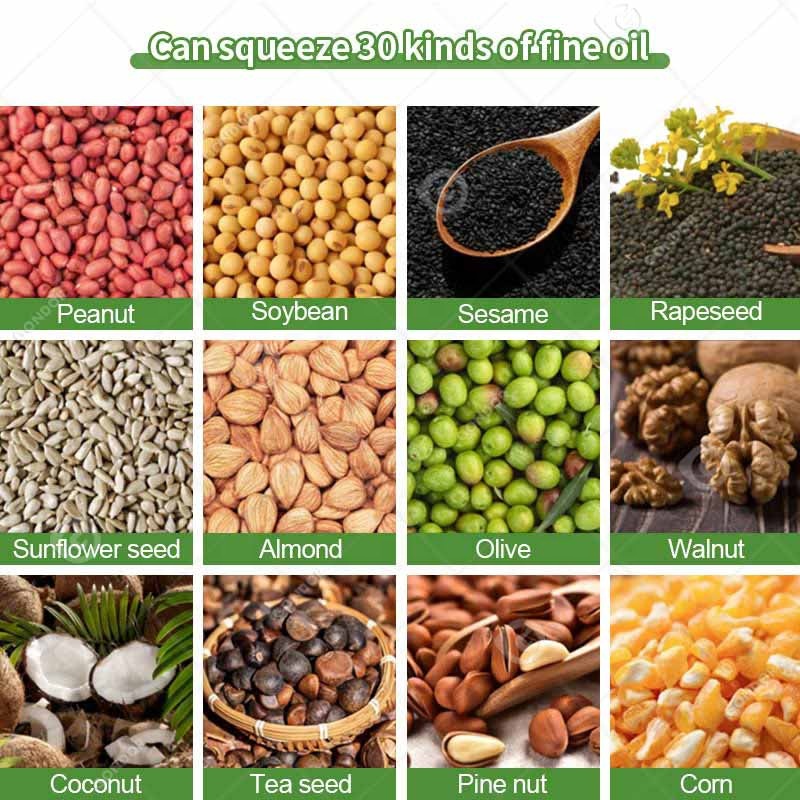
One hidden cost in edible oil production is under-utilization: when raw material supply shifts by season, a single-purpose press can sit idle. A multi-function oil press machine is valuable because it can be tuned—through pressing ring configuration, screw elements, temperature settings, and filtering choices—to handle a wider portfolio such as sunflower, peanut, rapeseed/canola, sesame, soybean, flaxseed, and more.
For procurement teams, adaptability is best validated with two questions: (1) what is the recommended moisture range for each seed, and (2) how quickly can the operator switch between seeds without compromising quality? In many plants, a well-designed setup can transition between common seeds within 2–6 hours (including cleaning, parameter reset, and stabilization), which helps protect throughput and delivery schedules.
Operator Reality: Stability Beats “Peak” Output
A slightly lower nameplate capacity with stable feeding, consistent pressure, and predictable cake discharge often generates better monthly results than chasing maximum hourly output. Stability reduces rework, filter clogging, and off-spec batches—especially when pressing mixed lots from different suppliers.
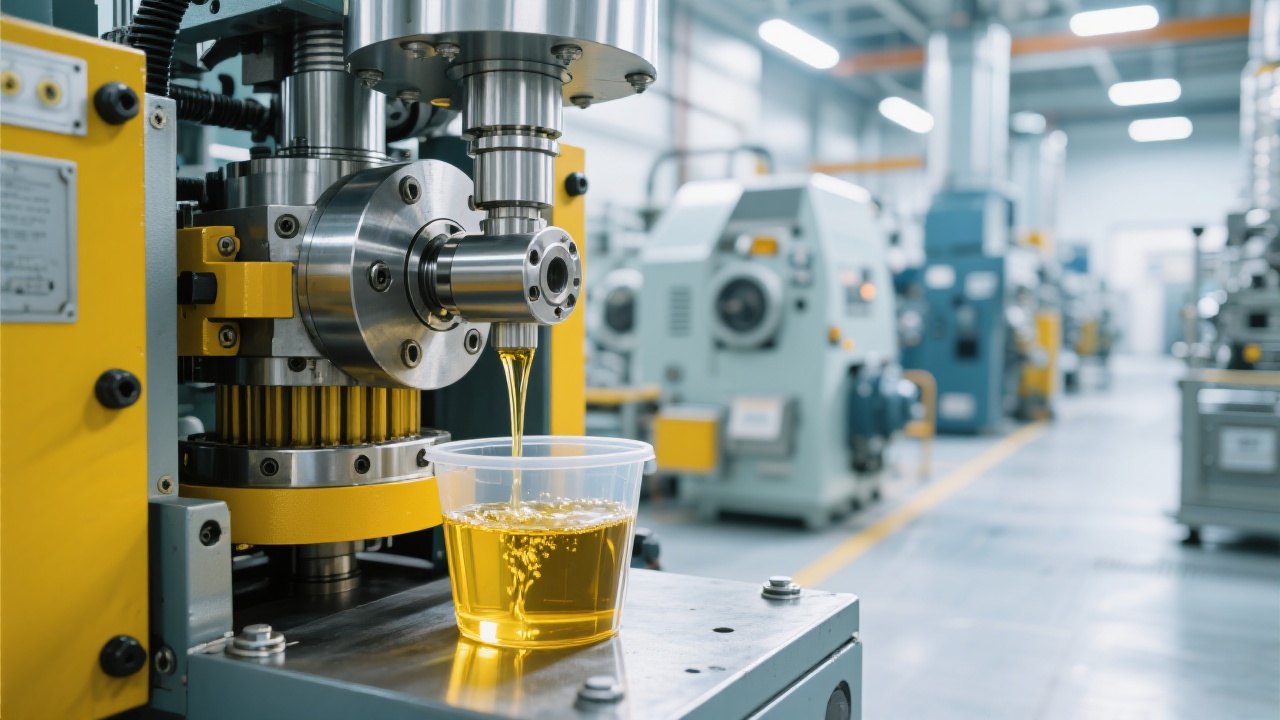
Yield is only half the sale; the other half is oil that meets market expectations for clarity, odor, and safety. Quality issues often come from micro-impurities, overheating, and unstable filtration. Modern pressing systems reduce risk through controlled temperature, stable pressure, and a clean discharge path that minimizes secondary contamination.
Practical indicators of “clean oil” after pressing
Many processors track clarity and sediment as daily indicators, then validate with basic lab checks. In typical edible oil operations, buyers look for an impurity level that is manageable for filtration and refining; with proper filtration integration, plants can often reach ≤0.2–0.5% insoluble impurities after primary filtration (depending on seed and grinding), reducing downstream load and improving deodorization stability.
Material/food-contact declarationsProcess flow & QC checkpointsSpare parts & wear-part scheduleCommissioning & training records
A Short Field Example: Turning Efficiency into ROI
A regional edible oil processor handling sunflower and rapeseed faced two recurring problems: (1) inconsistent cake residual oil due to variable seed moisture, and (2) frequent filter blockage caused by unstable pressing temperature. After upgrading to a multi-function oil press machine configuration with improved progressive compression and stabilized heating control, the plant reported:
+1.4% average yield improvement on sunflower over a 6-week run
-10% estimated energy consumption per ton in the press section
More stable filtration cycles, reducing unplanned stops during peak delivery weeks
Note: results vary by pre-treatment quality (cleaning, moisture control, flaking/roasting) and operator discipline. The key takeaway is that yield and cleanliness improve together when pressure and thermal stability are designed into the process.
From Pressing to a One-Stop Line: Integration That Reduces Bottlenecks
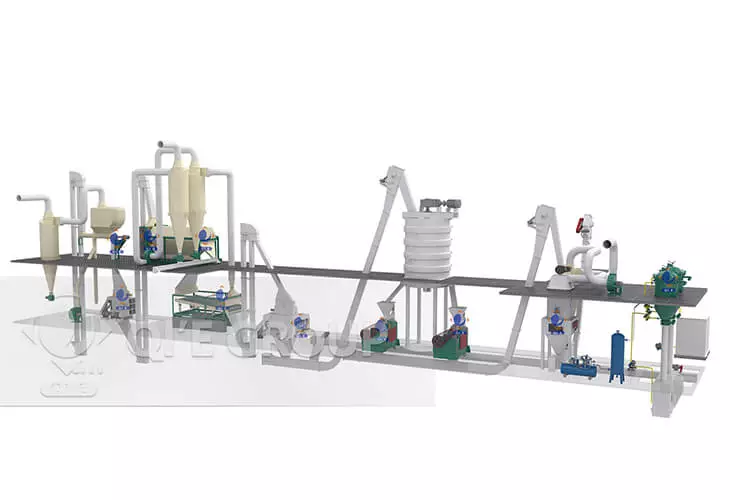
For many factories, the best performance comes from treating the press as part of a complete workflow: cleaning → crushing/flaking → conditioning/roasting → pressing → filtration → (optional) refining. QIE Group commonly supports a modular approach, so processors can start with a high-efficiency press and expand to filtration and refining as market demand grows—without redesigning the entire plant.
Selection Focus: 5 Questions That Prevent Costly Mismatches
Which seeds will be processed in the next 12 months (including seasonal substitutions)?
What is the target: cold-pressed premium oil or higher-throughput hot pressing?
What moisture control capability exists upstream (dryer/conditioner accuracy)?
What level of filtration and clarity does the downstream market require?
What documentation is needed for audits, export, or OEM supply chains?



.jpg?x-oss-process=image/resize,h_400,m_lfit/format,webp)
.jpg)