Facing fluctuating oil yields and sluggish equipment performance? You’re not alone. Many oil producers wrestle with selecting the right multi-oil spiral cold press machine that matches their varied oilseed inputs and production targets. This practical guide decodes essential selection factors—from suitable oil material types and production capacity requirements, to structural distinctions and maintenance routines—to help you maximize raw material utilization and unlock a new level of high yield and efficiency.
Are your current presses delivering inconsistent oil output? Do frequent breakdowns disrupt your production rhythm? Often, these issues stem from a mismatch between machine capabilities and your specific oil materials. For example, using a press designed primarily for peanuts when processing sesame or sunflower seeds can reduce oil yield by up to 15%. Additionally, suboptimal design and poor maintenance can cause equipment downtime exceeding 10% of operating hours—translating into substantial revenue loss.
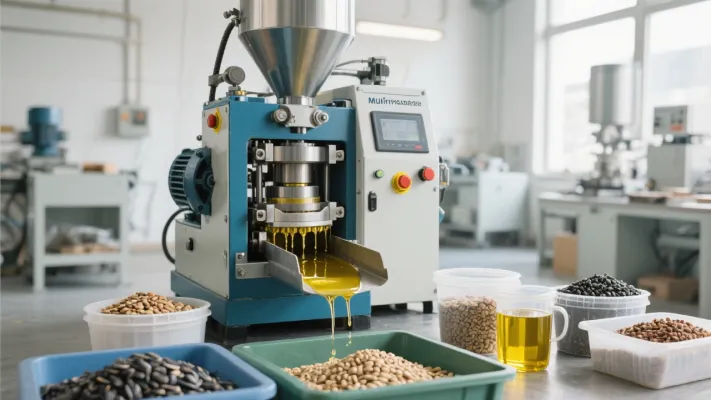
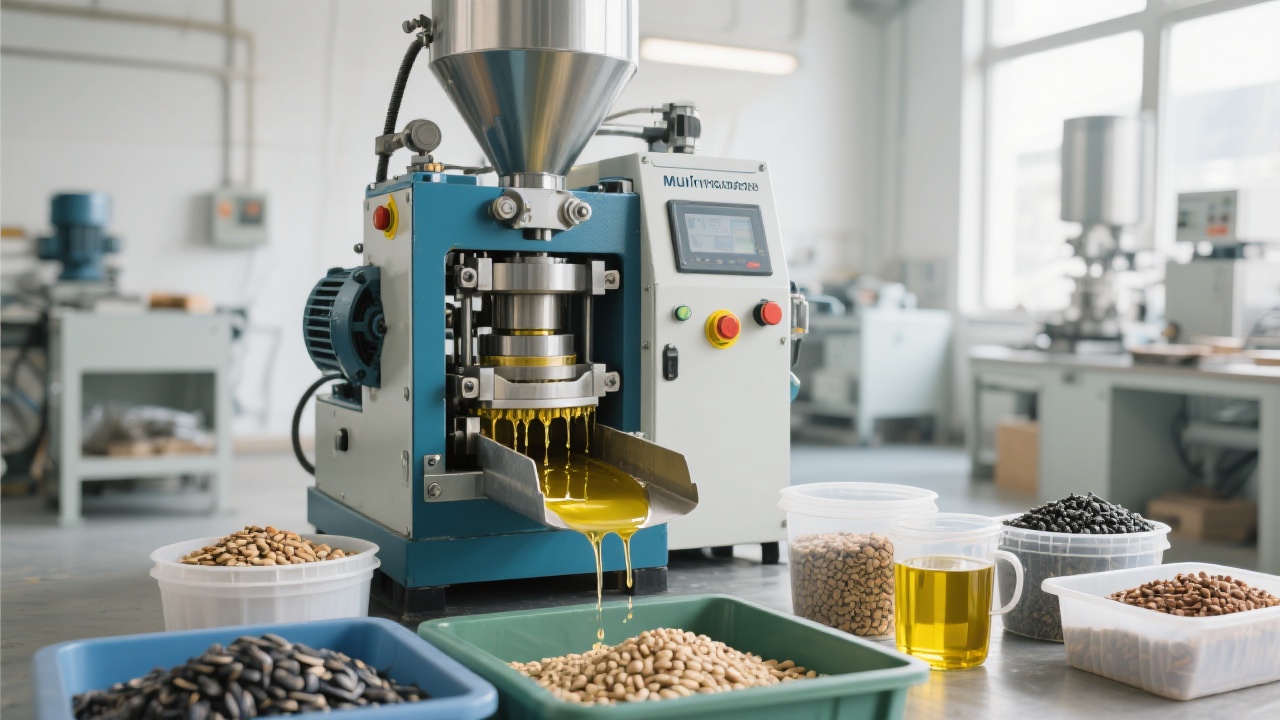
Multi-oil spiral cold presses must adapt to diverse seeds—such as rapeseed, sesame, sunflower, flaxseed, and cottonseed—each with unique hardness, oil content, and moisture levels. Prioritize machines designed with adjustable pressing chambers and varying single-screw compression ratios. This flexibility ensures stable oil extraction rates and protects your equipment from premature wear.
Choosing a machine that meets your throughput needs without chronic overloading is critical. Overloaded presses suffer from rapid screw damage and declining yields. Industry data shows that aligning machine capacity within 90–110% of your daily production goal reduces maintenance frequency by 25%, while improving oil yield consistency by 8–12%.
Output depends on screw speed, pressing pressure, and temperature control. Advanced models incorporate variable frequency drives (VFD) to fine-tune screw rotation, achieving optimal compression. For example, adjusting screw speed from 20 to 25 rpm can uplift oil yield by approximately 3%. Material preconditioning such as moisture adjustment between 8-10% further boosts efficiency.
Robustness matters. Machines constructed with high-grade stainless steel resist corrosion and oil residue build-up, extending service life by 30%. Structural nuances—like the design of the pressing chamber, screw pitch, and bearing quality—directly affect performance. A tighter press chamber gap enhances oil extraction but demands precise manufacturing to avoid jamming.
Before switching on your spiral cold press, conduct the following checks:
These steps, when done consistently, can reduce unplanned downtime by 20% and maintain high oil yield.
One mid-sized processor upgraded to a multi-oil spiral cold press featuring an adjustable compression ratio and VFD control. Within six months, oil yield improved from 38% to 42.5%, with equipment downtime halved, leading to significant cost savings and higher product quality recognition.
| Problem | Likely Cause | Recommended Action |
|---|---|---|
| Low Oil Yield | Inappropriate screw speed or raw material moisture | Adjust screw speed; optimize seed moisture content |
| Frequent Equipment Jamming | Pressing chamber blockage or worn bearings | Regularly clean chamber; replace bearings timely |
| Excessive Noise & Vibration | Screw misalignment or damaged bearing | Check alignment; perform preventive maintenance |
Keep your cold press performing optimally by:
Ignoring these essentials risks premature machine failure and output loss.
Understanding terminology empowers informed choices:
Reflect on your current setup:
Answering ‘no’ to any signals areas for impactful improvement.


 338
|
338
|
 vegetable oil processing machinery
oil pressing technology
edible oil refining process
automatic control systems for oil plants
energy-saving oil extraction equipment
vegetable oil processing machinery
oil pressing technology
edible oil refining process
automatic control systems for oil plants
energy-saving oil extraction equipment
 94
|
vegetable oil processing trends
oil press technology innovation
oil refining process improvement
non-GMO vegetable oil demand
smart oil extraction system
94
|
vegetable oil processing trends
oil press technology innovation
oil refining process improvement
non-GMO vegetable oil demand
smart oil extraction system
 367
|
low temperature screw press technology
peanut oil quality improvement
oil extraction efficiency optimization
small scale oil mill processing
nutrient retention in peanut oil
367
|
low temperature screw press technology
peanut oil quality improvement
oil extraction efficiency optimization
small scale oil mill processing
nutrient retention in peanut oil
.jpg?x-oss-process=image/resize,h_300,m_lfit/format,webp) 306
|
soybean oil pressing
oil yield improvement
oil purity
temperature control
pressure adjustment
306
|
soybean oil pressing
oil yield improvement
oil purity
temperature control
pressure adjustment
.jpg?x-oss-process=image/resize,h_300,m_lfit/format,webp) 44
|
multi-function oil press machine
high oil yield pressing technology
eco-friendly oil extraction equipment
vegetable oil processing machinery
oil quality and safety control
44
|
multi-function oil press machine
high oil yield pressing technology
eco-friendly oil extraction equipment
vegetable oil processing machinery
oil quality and safety control
.jpg)








.jpg)