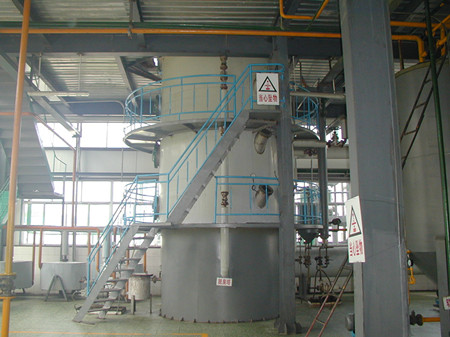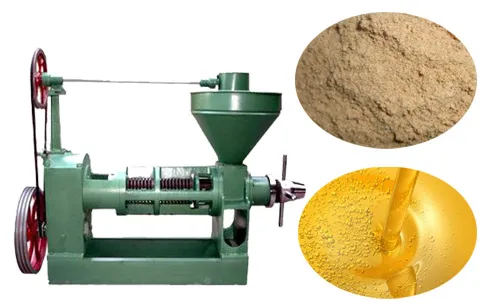
In today's dynamic market, your small-scale oil mill is likely facing the challenge of diversifying raw materials. Rotating the production of multiple oil crops has become a necessity, but it also brings a series of pain points. How can you efficiently process various oil crops in rotation? This article will provide you with in-depth insights and practical tips.
Let's first take a look at the physical characteristics and oil content of common oil crops such as soybeans, peanuts, rapeseeds, sunflower seeds, and sesame. Here is a data comparison table:
| Oil Crop | Physical Characteristics | Oil Content (%) |
|---|---|---|
| Soybeans | Round, hard, with a relatively low oil content | 18 - 22 |
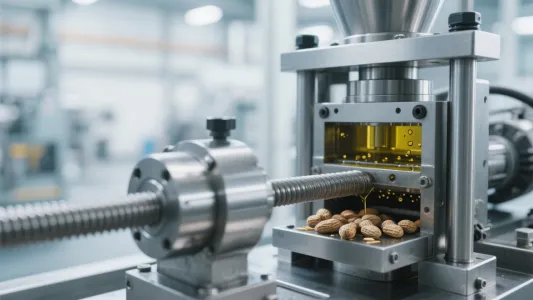
| Peanuts | Oval, with a thin shell, high oil content | 40 - 50 |
| Rapeseeds | Small, round, with a high oil content | 38 - 46 |
| Sunflower Seeds | Flat, with a thick shell, medium oil content | 30 - 45 |
| Sesame | Small, oval, with a very high oil content | 45 - 60 |
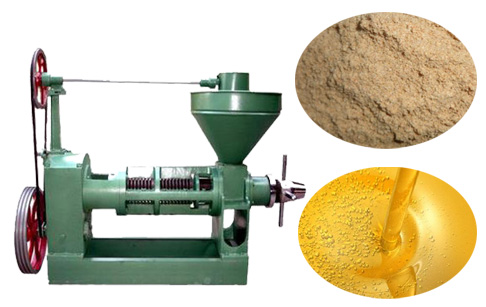
Moisture content is crucial in the pretreatment of oil crops. For example, soybeans should have a moisture content of about 10 - 12% before pressing. If the moisture is too high, it may lead to poor oil extraction efficiency and affect the quality of the oil. On the other hand, if the moisture is too low, the oil yield may also decrease. Here is a general moisture control standard for different oil crops:
The crushing granularity of oil crops also affects the oil extraction process. For instance, rapeseeds should be crushed to a certain fineness to ensure better oil release. Generally, the appropriate crushing granularity for different oil crops is as follows:
The feeding speed needs to be adjusted according to the type of oil crop and the performance of the screw press. For high - oil - content crops like sesame, a slower feeding speed is usually required to ensure thorough oil extraction. A general rule of thumb is to start with a relatively slow speed and then adjust it based on the actual situation.

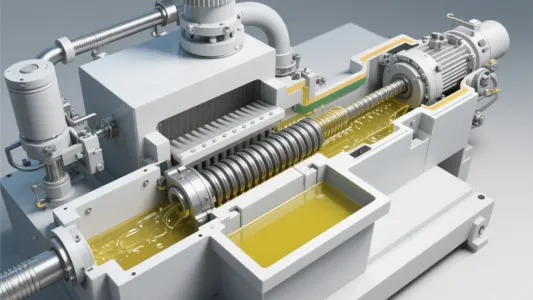
Each oil crop requires specific parameter settings for the screw oil press. Here is a practical guide for parameter adjustment:
Let's look at a real - world case from a small - scale oil mill. At first, they faced many problems when rotating the production of different oil crops, such as low oil yield and frequent equipment failures. However, by following the above - mentioned tips and making continuous adjustments, they finally achieved stable and high - yield production throughout the year. This case shows the flexibility and potential of the screw cold - press in multi - variety rotation production.
Here is a checklist to help you quickly identify and solve common problems:
| Problem | Possible Cause | Solution |
|---|---|---|
| Low oil yield | Inappropriate moisture, granularity, or press parameters | Adjust the moisture, granularity, and press parameters according to the oil crop |
| Equipment overheating | Excessive pressure, high - speed operation for a long time | Reduce the pressure and speed, and allow the equipment to rest |
| Abnormal noise | Loose parts, foreign objects in the press | Check and tighten the parts, and remove foreign objects |
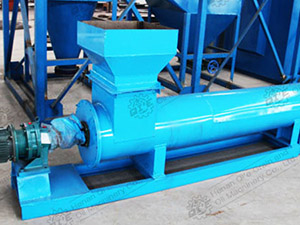
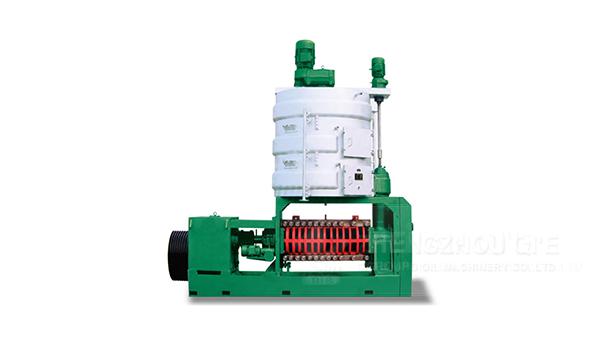
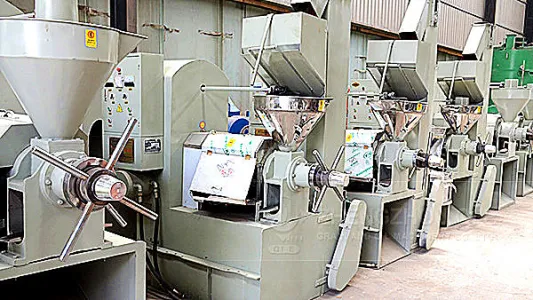
Our automatic screw cold - press is specifically designed for multi - variety rotation production. It offers high flexibility in parameter adjustment, allowing you to easily adapt to different oil crops. With advanced technology and reliable performance, it can help you improve equipment utilization, reduce trial - and - error costs, and achieve stable and high - yield production throughout the year.
Discover How Our Automatic Screw Cold - Press Can Transform Your Oil Mill!
 33
|
33
|
 Peanut oil pressing technology
automated oil extraction equipment efficiency
energy-saving oil press solutions
spiral screw press optimization
automated control systems for oil extraction
Peanut oil pressing technology
automated oil extraction equipment efficiency
energy-saving oil press solutions
spiral screw press optimization
automated control systems for oil extraction
 421
|
peanut oil quality control
international food safety standards
automatic peanut oil press
HACCP certification
sustainable oil processing
421
|
peanut oil quality control
international food safety standards
automatic peanut oil press
HACCP certification
sustainable oil processing
 200
|
Penguin Group peanut oil refining equipment
multifunctional refining solutions
peanut oil safety solutions
200
|
Penguin Group peanut oil refining equipment
multifunctional refining solutions
peanut oil safety solutions
 96
|
Fully Automatic Multifunction Oil Press Machine
Peanut Oil Press Machine
High Efficiency Oil Extraction Machine
Energy Saving Oil Press Equipment
ISO9001 Certified Oil Press
Vegetable Oil Extraction Machine
Small Scale Oil Production Equipment
Oil Press Machine for Farms
Multifunctional Oil Processing Machine
Innovative Oil Press Technology
96
|
Fully Automatic Multifunction Oil Press Machine
Peanut Oil Press Machine
High Efficiency Oil Extraction Machine
Energy Saving Oil Press Equipment
ISO9001 Certified Oil Press
Vegetable Oil Extraction Machine
Small Scale Oil Production Equipment
Oil Press Machine for Farms
Multifunctional Oil Processing Machine
Innovative Oil Press Technology
 173
|
customized vegetable oil production line
oilseed preprocessing equipment
high ROI vegetable oil processing
173
|
customized vegetable oil production line
oilseed preprocessing equipment
high ROI vegetable oil processing