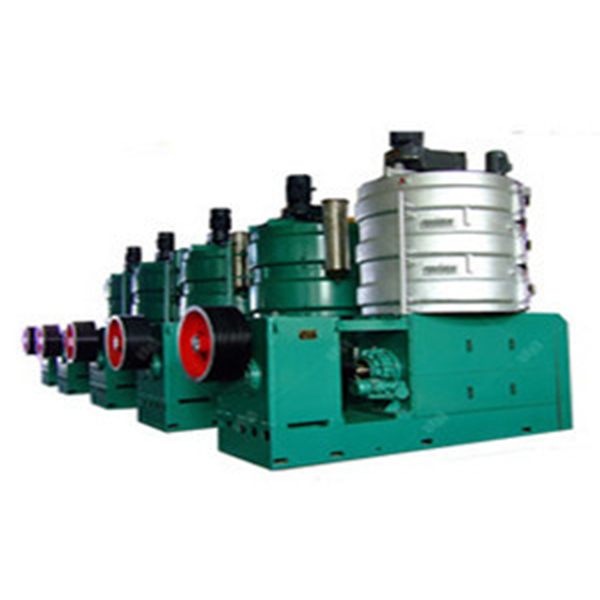
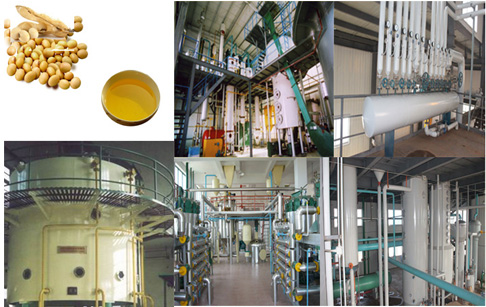
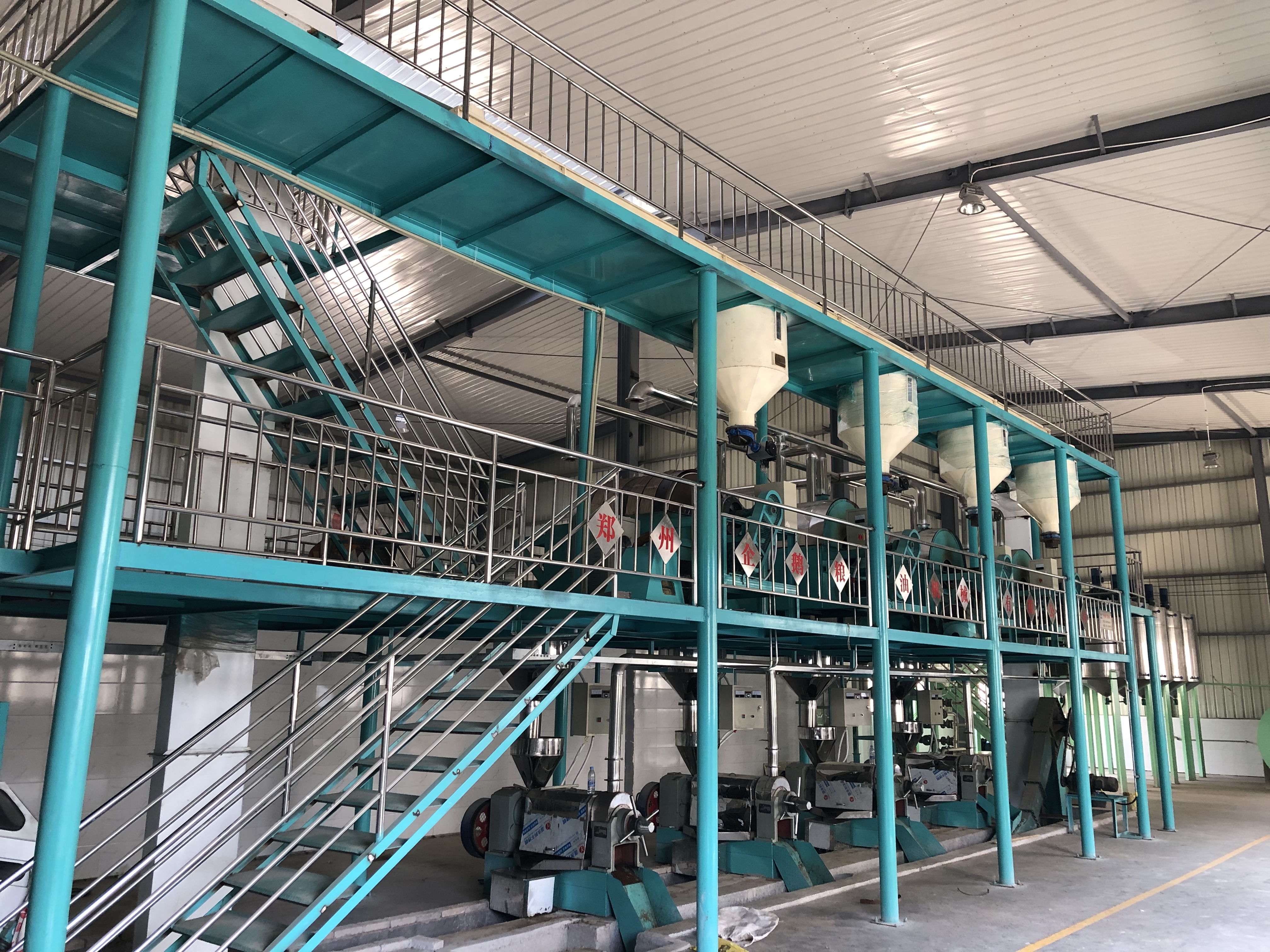
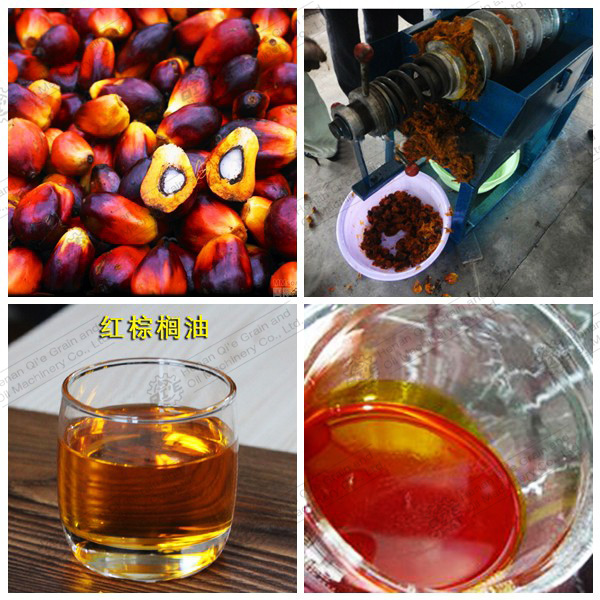
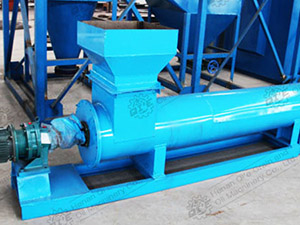
Efficient oil extraction is a critical factor for small and medium-sized oil production enterprises striving to maximize profitability and sustainability. The Penguin Group introduces its advanced multifunctional oil press, renowned for stable performance and user-friendly operation. This guide breaks down the complete operational workflow and maintenance strategies, providing clear, actionable instructions supported by expert insights to optimize your oil extraction process.
Before starting the oil press, thorough preparation is essential to ensure smooth operation and safety compliance. Begin by conducting a comprehensive inspection of critical components including the pressing chamber, feeding system, and cooling units. Verify oilseed quality and moisture content, as these parameters influence extraction efficiency.
Adjust oilseed parameters depending on the type: for soybean, maintain moisture around 7-8%; for peanuts, 6-7%; and palm kernels, 10-12%. These settings are crucial for maximizing oil yield and reducing machine wear.
Operating the multifunctional oil press involves the following phased flow:
Regular maintenance is pivotal for preserving performance and minimizing downtime. Daily cleaning of the pressing chamber and screw ensures residue-free working conditions. Lubricate moving parts weekly, and inspect electrical connections monthly.
Common issues include decreased oil yield and abnormal noise, often caused by worn screws or blockages. Use this maintenance checklist:
The versatility of the Penguin Group multifunctional oil press lies in its adaptability to diverse oil-bearing seeds. For soybean, maintain pressing pressures between 6-8 MPa to balance oil extraction and seed cake quality. With peanuts, increase temperature settings slightly (105-115°C) to facilitate oil flow without degrading nutrients. For palm kernels, higher temperatures (110-120°C) and screw speeds are recommended to handle their fibrous texture.
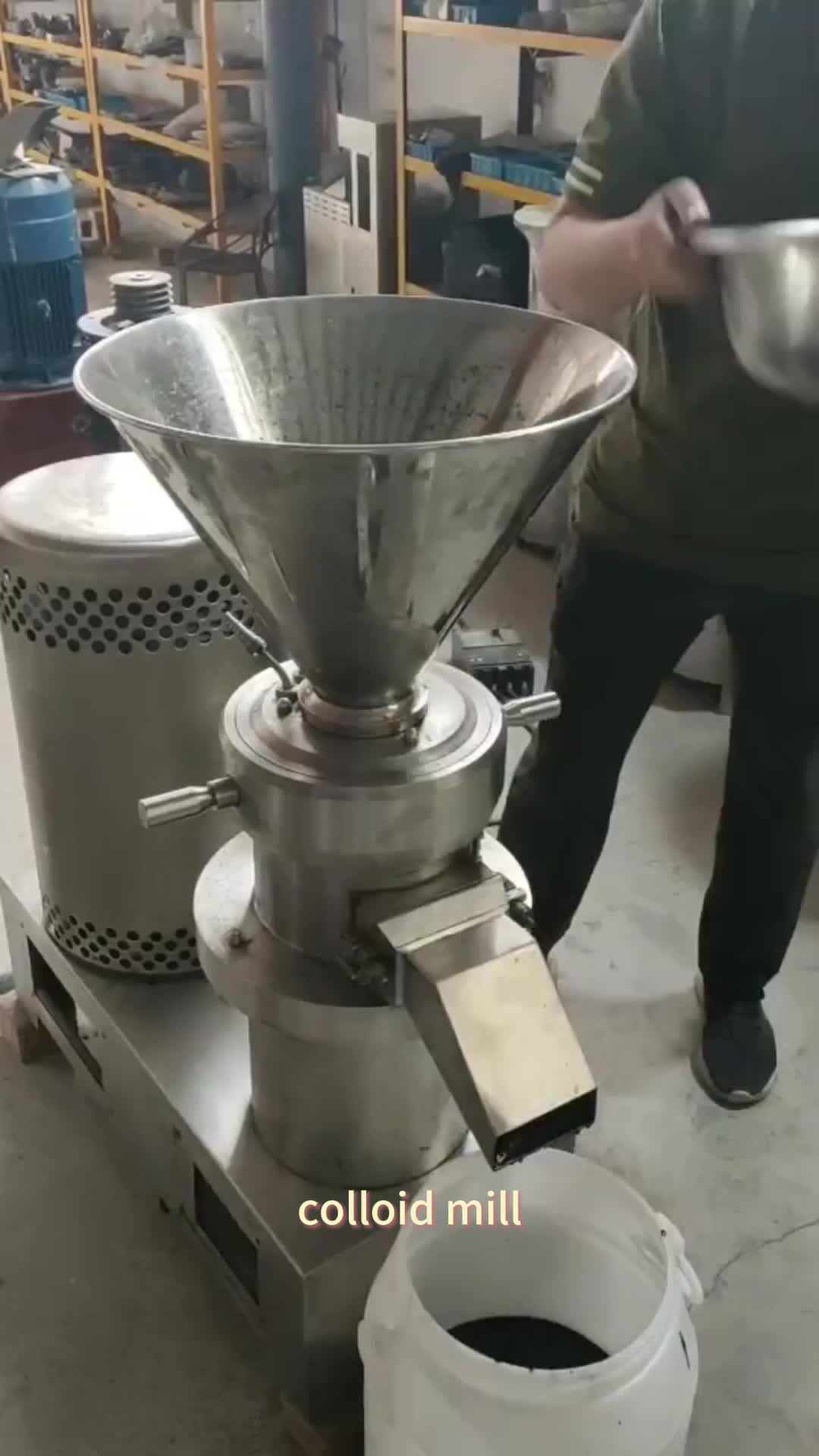
Ensuring operator safety is non-negotiable. Always wear appropriate personal protective equipment (PPE) including gloves and safety glasses. Keep the emergency stop button easily accessible. Avoid wearing loose clothing near rotating parts, and perform routine safety checks before every shift.
“Consistent monitoring of pressing parameters not only enhances oil yield but significantly prolongs machine life. Incorporating small adjustments based on seed variety can improve efficiency by up to 15%,” notes Dr. Linda Chen, Senior Process Engineer at Penguin Group Oil Processing Division.
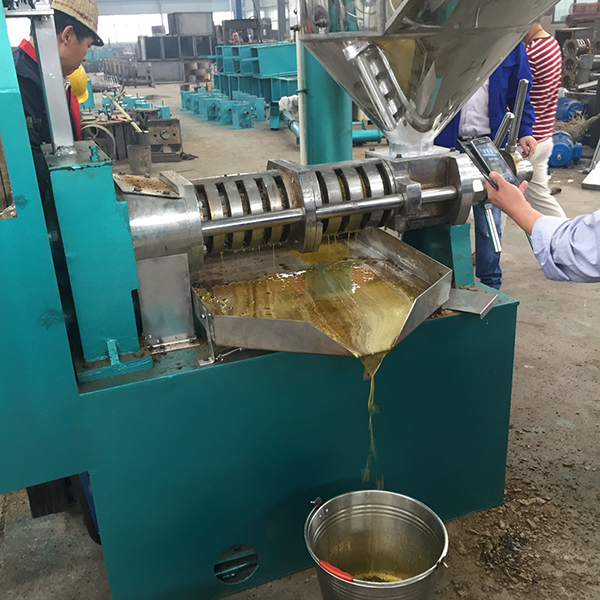
Visual learning aids are invaluable for mastering the machine’s operation. By integrating detailed video tutorials demonstrating startup, parameter tuning, and shutdown sequences, users can quickly gain confidence and avoid common pitfalls. These resources also include troubleshooting guides and answers to frequent questions.

 243
|
243
|
 high-efficiency corn germ oil press machine
corn germ oil extraction rate
intelligent temperature control pressing machine
grain and oil processing equipment comparison
commercial oil press advantages
53
|
corn germ oil pressing efficiency
smart temperature control in oil processing
physical pressing temperature optimization
cold press vs hot press oil extraction
oil press temperature regulation
high-efficiency corn germ oil press machine
corn germ oil extraction rate
intelligent temperature control pressing machine
grain and oil processing equipment comparison
commercial oil press advantages
53
|
corn germ oil pressing efficiency
smart temperature control in oil processing
physical pressing temperature optimization
cold press vs hot press oil extraction
oil press temperature regulation
 316
|
cold and hot press integrated machine
home oil press
small oil pressing equipment
cold press vs hot press
vegetable oil extraction technology
426
|
corn germ oil press
oil extraction rate improvement
intelligent temperature controlled pressing
grain oil processing equipment
physical pressing technology
470
|
corn germ oil press
efficient oil extraction
intelligent temperature control
grain oil processing equipment
after-sales technical support
316
|
cold and hot press integrated machine
home oil press
small oil pressing equipment
cold press vs hot press
vegetable oil extraction technology
426
|
corn germ oil press
oil extraction rate improvement
intelligent temperature controlled pressing
grain oil processing equipment
physical pressing technology
470
|
corn germ oil press
efficient oil extraction
intelligent temperature control
grain oil processing equipment
after-sales technical support