Practical Guide to Equipment Maintenance for Small and Medium-Sized Oil Processing Enterprises: Monitoring and Troubleshooting in Pressing and Filtration Processes
2025-11-05
Application Tips
This practical guide provides small and medium-sized oil processing enterprises with expert insights into operating and maintaining the Qini Group’s全自动多功能榨油机 (All-in-One Automatic Oil Press). It covers step-by-step startup procedures, key parameter settings, real-time monitoring of pressing and filtration stages, routine cleaning routines, wear part inspections, and energy efficiency management. Supported by visual tutorials, video demonstrations, and a comprehensive fault diagnosis checklist, this article empowers operators to improve productivity, reduce downtime, and extend equipment lifespan—ensuring consistent output quality and operational reliability. Learn more about how our solutions can support your production goals by visiting our official product page.
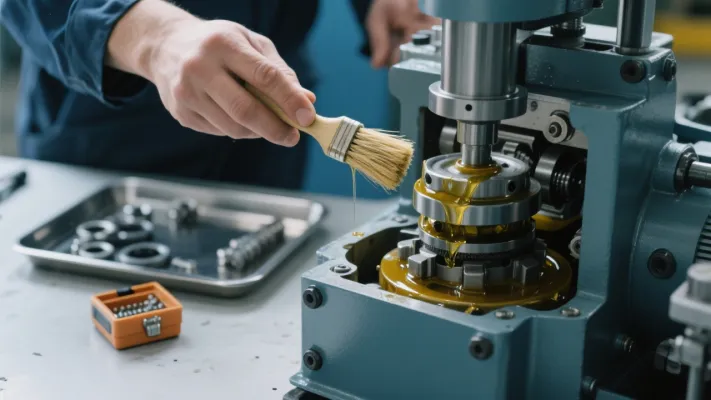
Mastering Your Oil Press: Real-Time Monitoring & Maintenance Tips for Small to Mid-Sized Processing Plants
If you're running a small or mid-sized oilseed processing plant, consistent machine performance isn’t just about uptime—it’s your competitive edge. According to industry benchmarks from the International Oilseed Association (IOA), well-maintained equipment can reduce unplanned downtime by up to 40% and extend asset life by 2–3 years. That’s why understanding how to monitor key stages like pressing and filtration—and quickly troubleshoot issues—is critical.
Start Smart: Configure Parameters Before You Begin
Before starting any production run, ensure your Qingdao Penguin全自动多功能榨油机 is set correctly:
- Feed rate: Keep between 8–12 kg/min for optimal yield without clogging.
- Press temperature: Maintain 75–85°C during extraction—too hot causes oxidation, too cold reduces flow.
- Filtration pressure: Ideal range is 0.3–0.6 MPa; higher pressures may damage filters prematurely.
Daily Checks That Prevent Big Problems
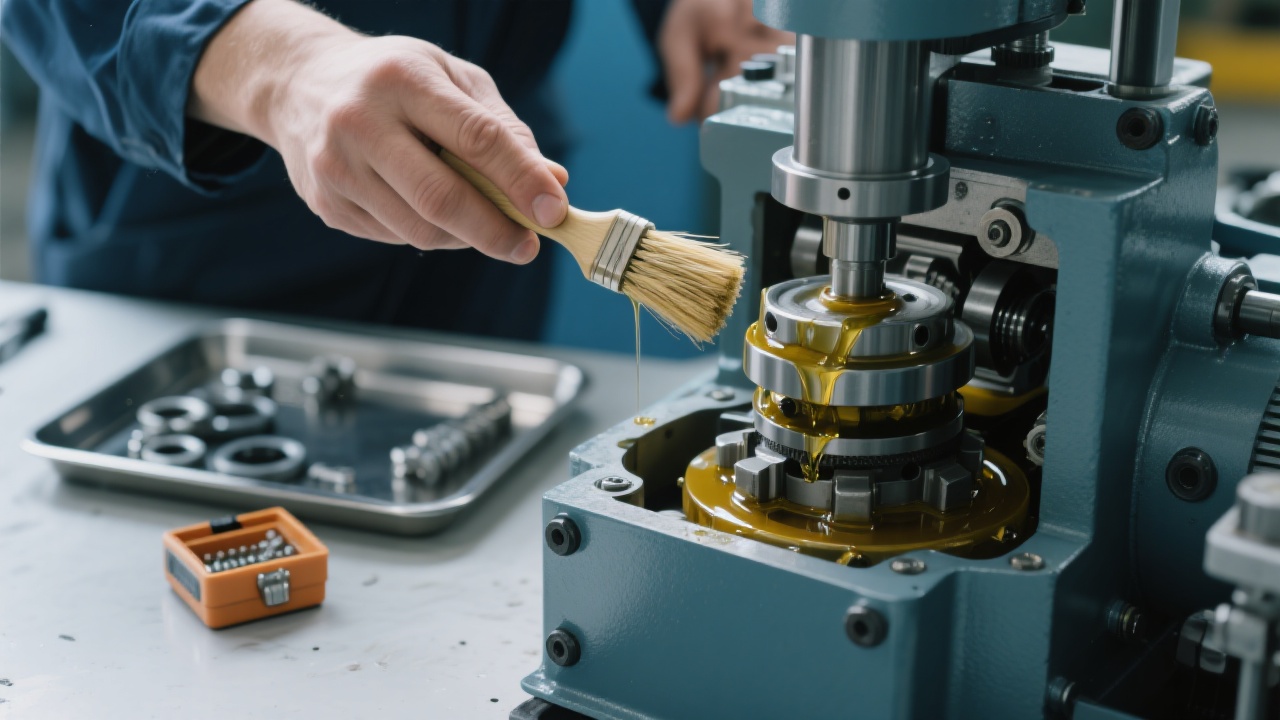
Most breakdowns begin with overlooked maintenance. Here’s what to inspect daily:
| Component |
Check Frequency |
Action Required |
| Filter Screens |
Daily |
Clean with warm water + mild detergent |
| Screw Conveyor Wear |
Weekly |
Replace if thickness drops below 3mm |
| Motor Bearings |
Monthly |
Lubricate using ISO VG 68 oil |
Quick Fixes for Common Issues
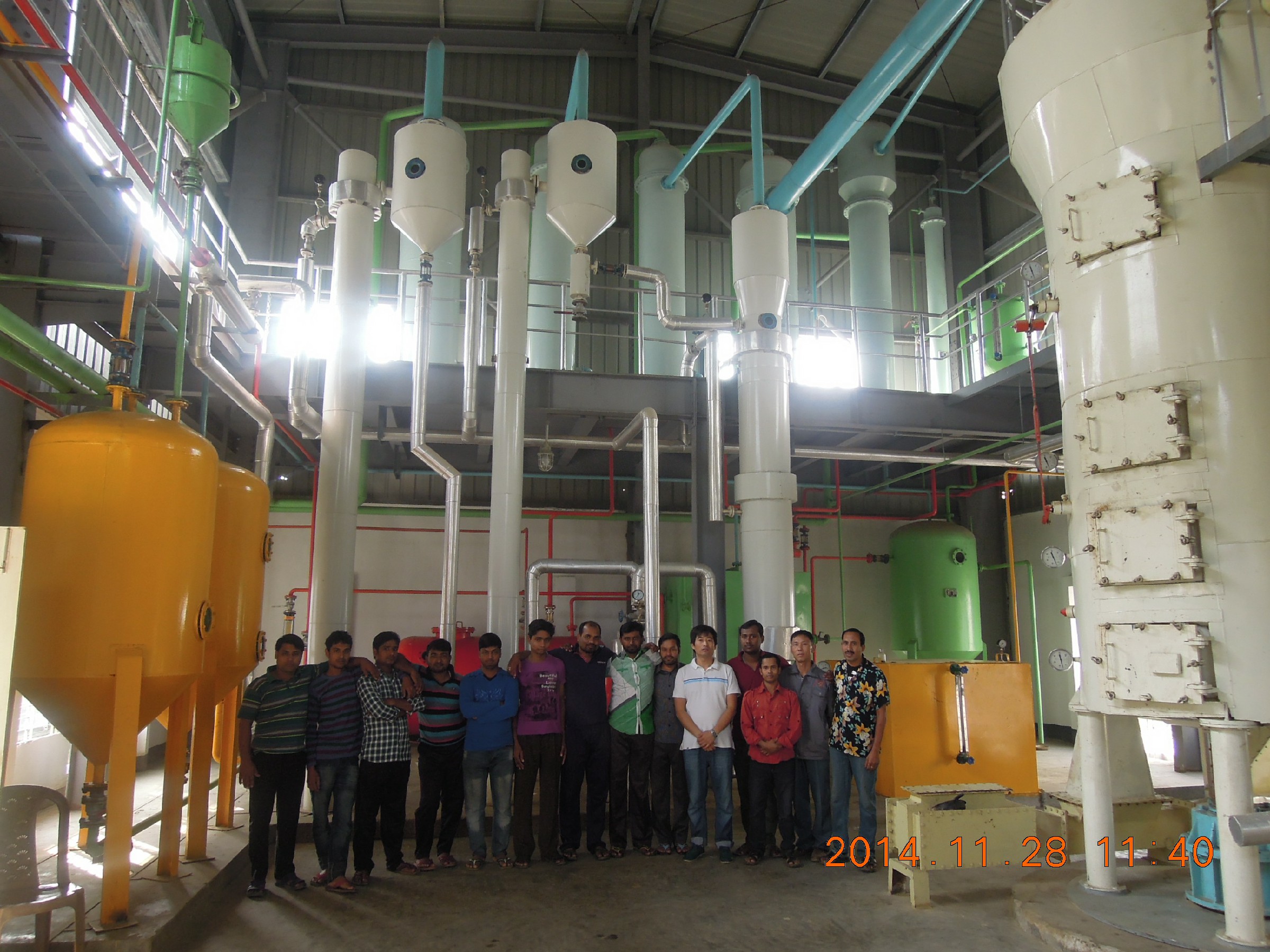
When problems arise, speed matters. Below are top 3 faults reported by users—and how to resolve them fast:
- Low oil output: Check feed consistency and adjust moisture content to 6–8%. Moisture imbalance is responsible for ~60% of low-yield cases.
- High vibration: Inspect motor alignment and tighten mounting bolts. Misalignment increases wear on bearings by up to 3x.
- Oil cloudiness: Clean filter media immediately—contamination often comes from dirty pre-filters or incorrect washing cycles.
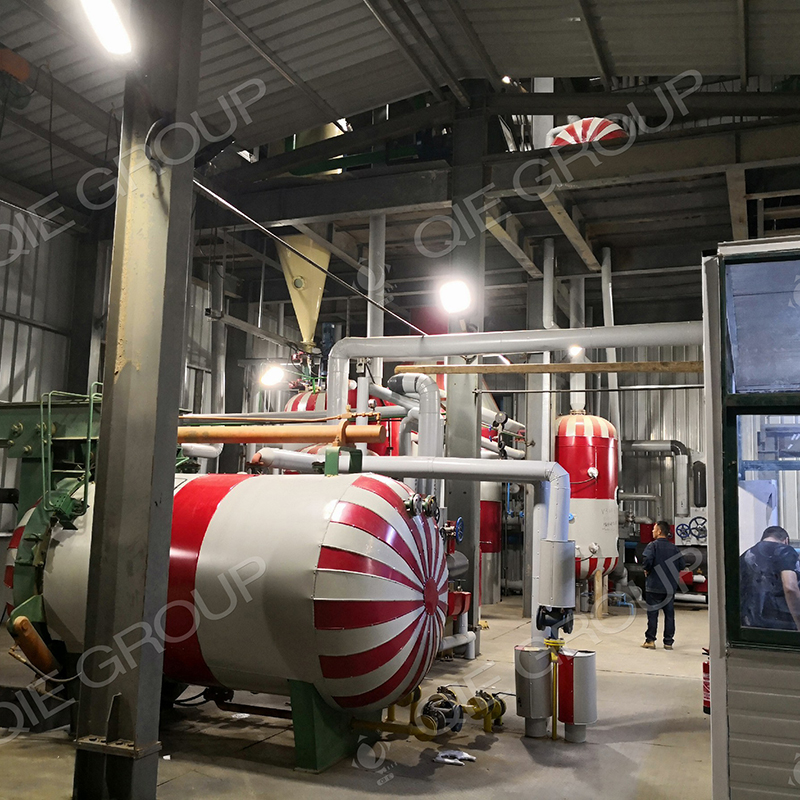
Remember: Proactive monitoring beats reactive fixes every time. A simple logbook or digital check-in system can save thousands in repair costs annually.
Ready to Optimize Your Oil Production Process?
Explore our full suite of automated solutions—including real-time monitoring tools, spare parts kits, and expert training videos—to keep your operation running smoothly, day after day.
See How It Works →





