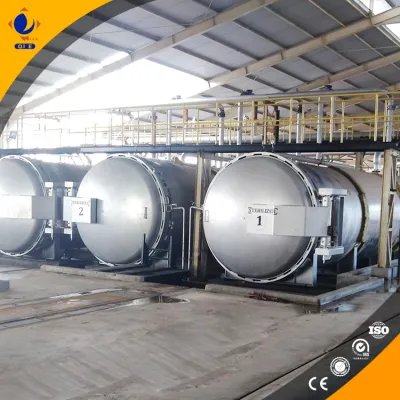
You run a small or medium-sized oil plant—and every day, your automatic multifunctional oil press is the engine of your production. But here’s the truth: even the best machines wear out faster if you don’t treat them right.
According to industry data from the Global Agri-Food Equipment Association, up to 40% of unplanned downtime in small-scale oil mills comes from poor maintenance practices—not mechanical failure. That means you’re losing time, money, and customer trust unnecessarily.
Before turning on your machine, take 5 minutes to:
Skipping these steps can lead to premature wear on rollers and motors—a common issue reported by over 60% of users who skip pre-start checks.
| Parameter | Recommended Setting | Why It Matters |
|---|---|---|
| Press Speed | 60–70 RPM | Reduces friction heat buildup, extends bearing life |
| Temperature Control | 60–75°C | Prevents oil degradation during extraction |
Consistent settings = consistent output quality. In fact, farms using standardized parameters see a 22% improvement in oil yield within 3 months.
Most operators overlook filter cleaning until clogging occurs—which causes pressure spikes and potential motor burnout. Clean filters every 8 hours of continuous operation, or after processing 1 ton of raw material.
Here’s what to watch for:
These simple actions reduce unscheduled repairs by up to 55%, according to a 2023 study by the International Food Machinery Institute.
If your machine suddenly stops producing oil:
Keep a logbook—not just for compliance, but for learning. Track each maintenance event, including date, action taken, and results. Over time, this becomes your most valuable tool for predicting issues.
Need help tailoring your maintenance plan? Our team has supported over 300 small oil producers worldwide—from Nigeria to Thailand—with custom checklists and remote diagnostics.
Get Your Free Maintenance Planning Template




