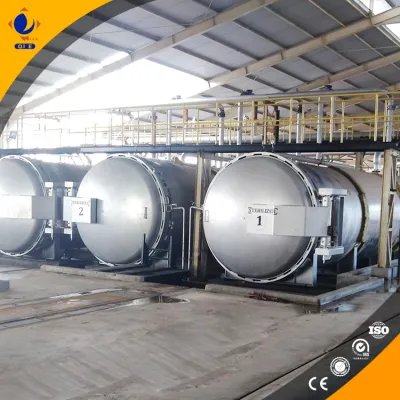
As a small to medium-sized oil production enterprise, you understand that equipment performance directly impacts both product quality and throughput. However, challenges such as complex machine operation, inconsistent oil yield, and frequent downtime due to maintenance lapses can slow your growth. Optimizing the key parameters of your fully automatic multifunctional oil press machine presents a strategic opportunity to stabilize production, enhance oil quality, and reduce operational costs.
The core factors influencing your oil extraction results include:
| Parameter | Optimal Range | Impact on Product |
|---|---|---|
| Pressing Temperature | 75–90°C | Balances oil fluidity and nutrient retention; too high degrades oil quality |
| Pressing Pressure | 15–25 MPa | Higher pressure increases oil yield but risks equipment wear |
| Feed Rate | 5–8 kg/min | Too fast reduces pressing time, lowering yield; too slow affects productivity |
Fine-tuning these parameters ensures your oil is extracted efficiently without compromising purity or nutrient content. For example, maintaining pressing temperature within 80±5°C has shown in field tests to increase oil clarity by 10%, while pressure stabilization at ~20 MPa boosts output by up to 15%.
Your production process can be standardized effectively by adopting the following procedure:
Our equipment supports intelligent parameter memory functionality, allowing you to save and recall optimal pressing profiles with just one click — dramatically reducing setup times and human error.

Preventive maintenance is key to reducing unexpected downtime. Implement a daily routine that includes:
Field data shows that enterprises adopting these maintenance routines reduce faults by nearly 30% and extend equipment service life by up to 40%.
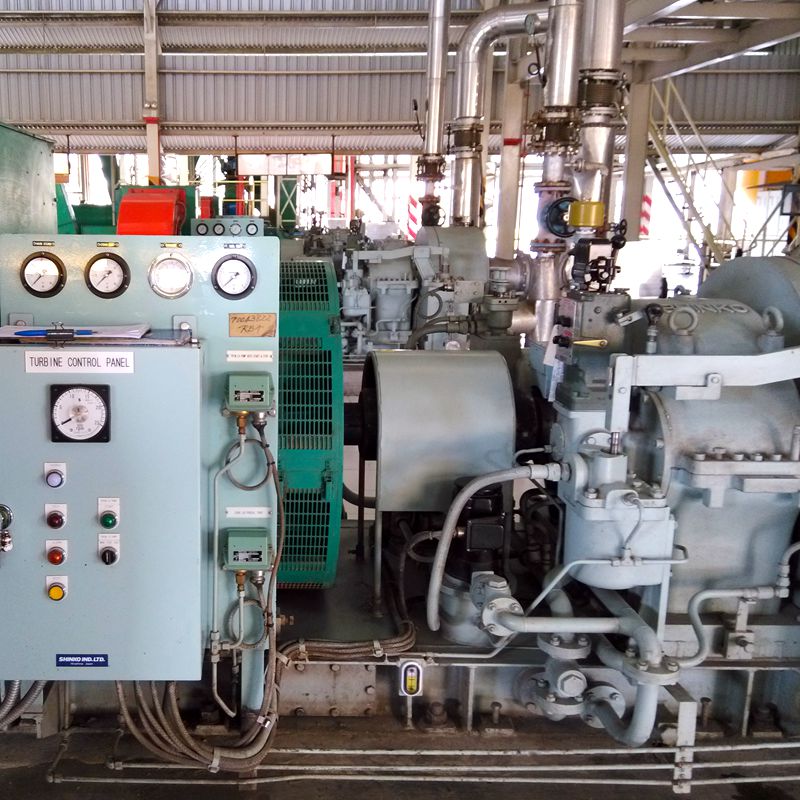
Being able to quickly identify and address anomalies can save you from costly production halts. Watch out for:
| Symptom | Likely Cause | Recommended Action |
|---|---|---|
| Oil yield decline | Inconsistent feeding speed or pressure dips | Adjust feed rate; check hydraulic system; recalibrate sensors |
| Frequent machine stoppages | Mechanical wear and clogged filters | Clean filters; replace worn parts; schedule preventive maintenance |
| Overheated pressing chamber | Faulty temperature controllers or sensor error | Inspect and replace temperature control units and sensors |
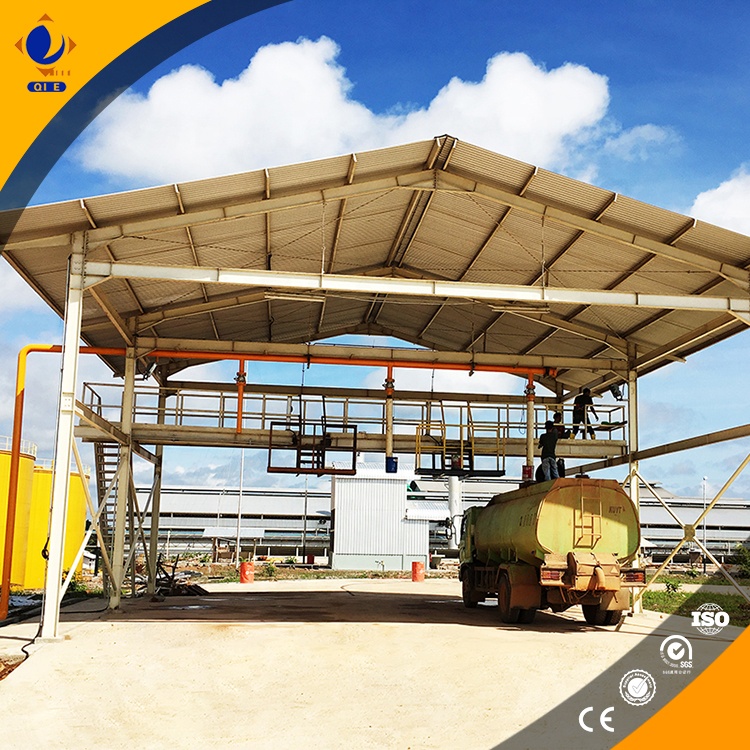
By mastering these responses, your team can cut unplanned downtime by 25%, increasing overall equipment effectiveness and product throughput.
A medium-sized oil processing facility recently optimized their pressing temperature to 85°C, stabilized feed rate at 6.5 kg/min, and implemented daily maintenance protocols. Within three months, their oil yield increased by 18%, oil clarity improved by 12%, and unexpected downtime dropped by 35%. They credit their fully automatic oil press machine's intelligent parameter memory feature for enabling consistent results and rapid troubleshooting.
Harness the power of precise parameter control to elevate your oil production — your efficiency and product excellence depend on it.





