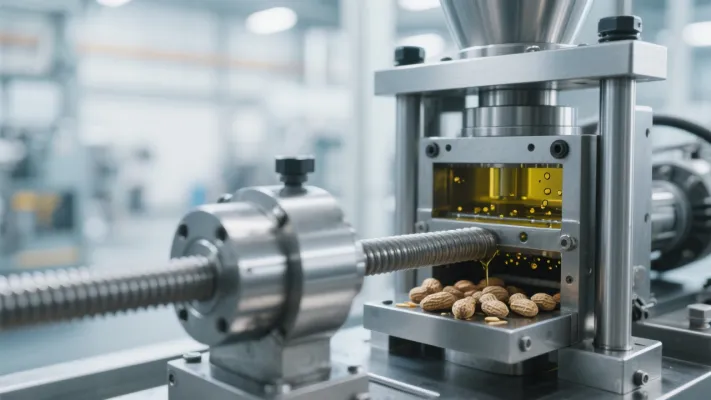
In the global edible oil market, peanut oil stands out for its rich flavor and nutritional value. However, the production of high - quality peanut oil is fraught with challenges. Many peanut oil producers face issues such as inconsistent product quality, difficulty in meeting international standards, and high production costs. This article aims to address these pain points by providing a comprehensive guide on optimizing the peanut oil production process from raw material selection to final product testing.
The quality of peanut oil starts with the raw materials. Selecting high - quality peanuts is the first and most crucial step. Peanuts should be free from mold, pests, and other contaminants. The moisture content of peanuts should be controlled within a certain range, typically around 8% - 10%. Too high a moisture content can lead to mold growth during storage and affect the quality of the oil, while too low a moisture content can reduce the oil yield.
One peanut oil production company in Brazil increased its oil yield by 5% after strictly implementing a new raw material selection standard. They focused on peanuts with a specific oil content, usually above 45%. By doing so, they not only improved the quantity but also the quality of the peanut oil produced.
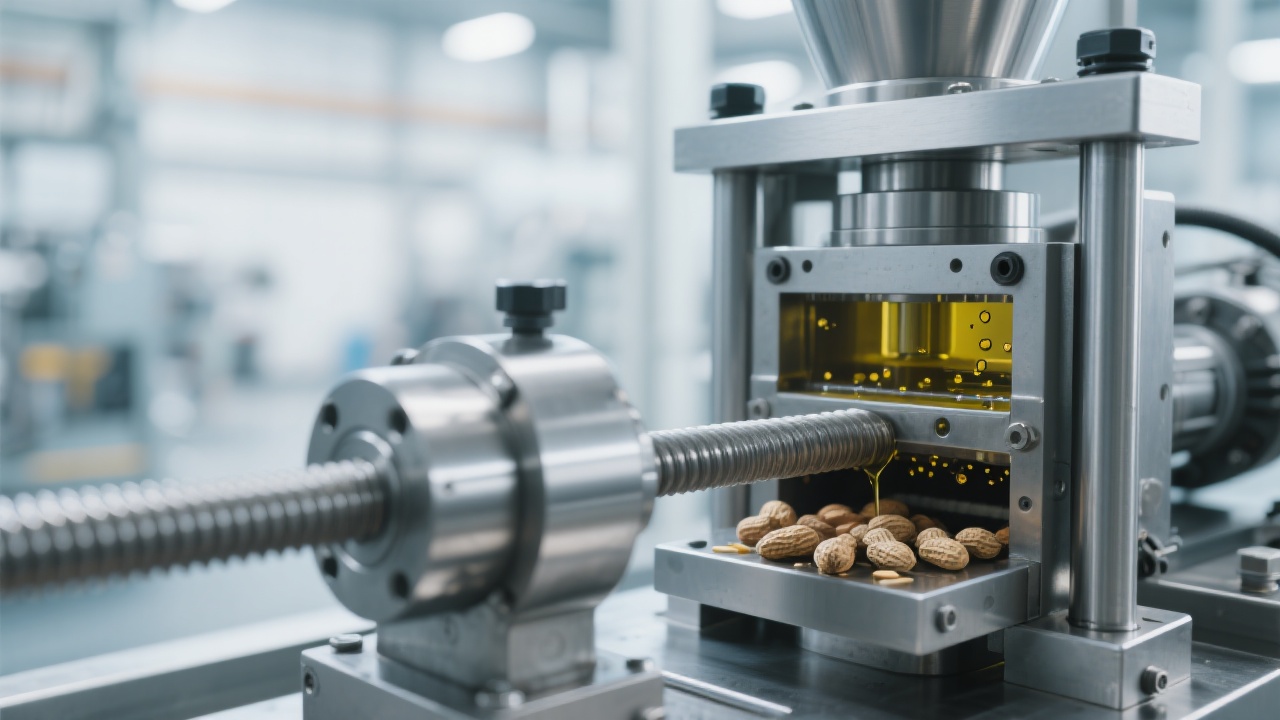
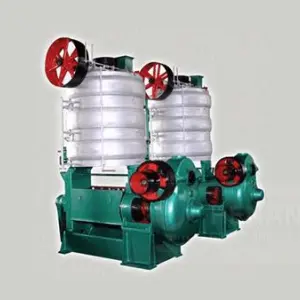
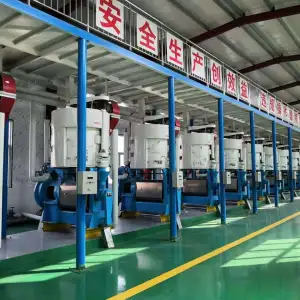
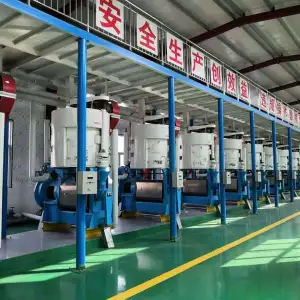
The use of an automatic peanut oil press production line can significantly optimize the pressing process. These advanced machines offer precise control over pressing parameters such as temperature, pressure, and time. For example, the optimal pressing temperature for peanuts is between 120 - 130°C. At this temperature, the oil yield can reach up to 90% while maintaining the nutritional value of the oil.
Automation in the pressing process reduces human error and ensures consistent product quality. A peanut oil factory in the United States reduced its product defect rate by 10% after upgrading to a fully automated pressing system. The system also has energy - saving features, reducing energy consumption by up to 30% compared to traditional pressing methods.
To ensure the quality of peanut oil meets international standards, key detection indicators must be strictly monitored. These include acid value, peroxide value, and moisture content. The acid value should be less than 0.6 mg KOH/g, and the peroxide value should not exceed 0.25 g/100g.
Obtaining international certifications such as ISO 22000 and HACCP is crucial for entering the international market. The certification process involves a series of inspections and audits based on strict international standards. For instance, a peanut oil company in China passed the ISO 22000 certification after upgrading its production process and quality control system, which significantly enhanced its competitiveness in the international market.
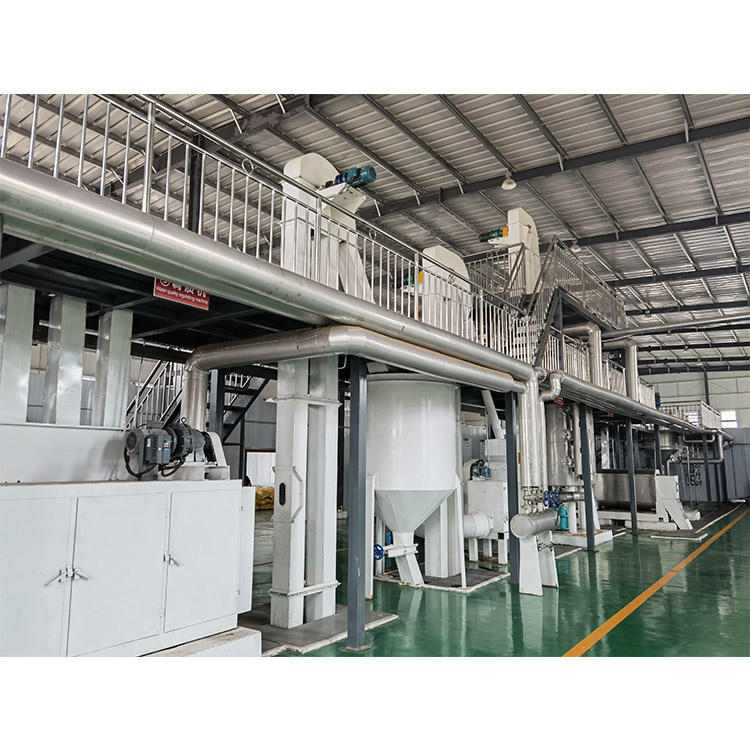
With the increasing emphasis on environmental protection, peanut oil production processes need to comply with relevant environmental regulations. Green production has become a trend in the industry. The automatic peanut oil press production line can achieve green production through energy - saving and waste - reduction measures. For example, the waste generated during the pressing process can be recycled and used as animal feed or bio - fuel, reducing environmental pollution.
This article is based on industry - recognized standards such as the Codex Alimentarius Commission's standards for edible oils. By referring to these standards, peanut oil producers can build a scientific quality management system. Real - world cases and data, such as those mentioned above, further strengthen the practicality of the content. Flowcharts and data charts can be used to illustrate the production process and the relationship between different parameters, making the content more intuitive and easier to understand.
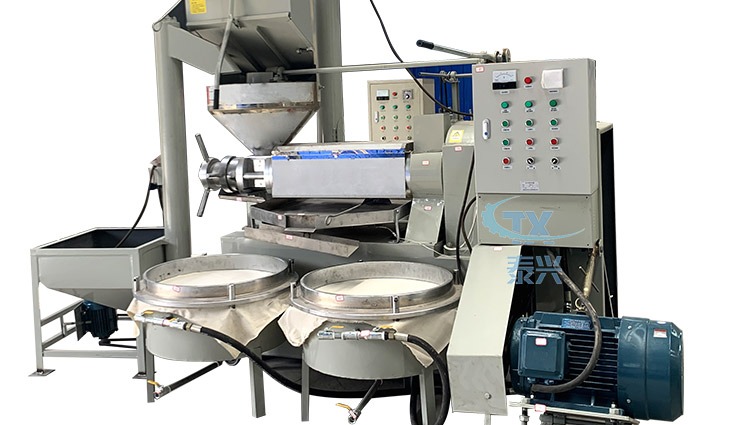
Are you ready to enhance the quality of your peanut oil and boost its competitiveness in the international market? Our advanced automatic peanut oil press production line can help you achieve these goals. With its advanced technology, energy - saving features, and ability to ensure consistent product quality, it is the ideal choice for peanut oil producers. Click here to learn more about how our equipment can transform your peanut oil production process.