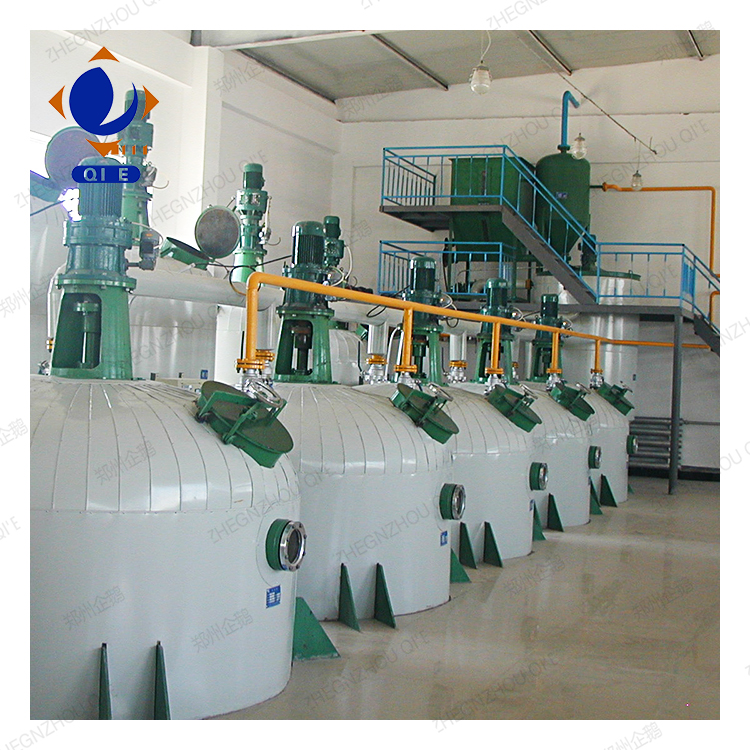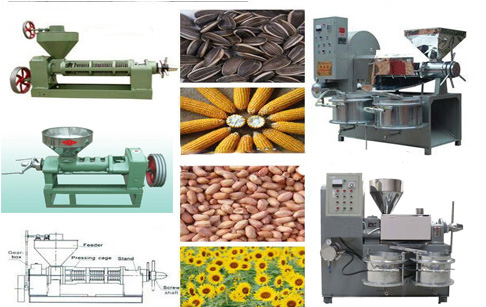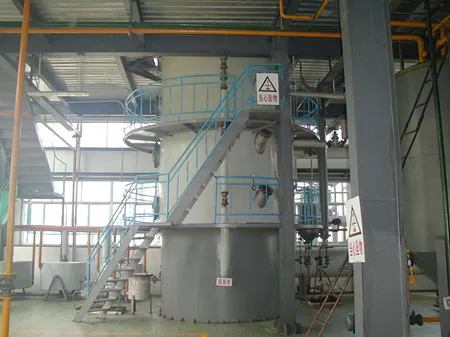
In the realm of foreign trade grain and oil processing, the quality of oil directly determines the competitiveness of products. It's a common observation that European and American customers are showing a growing preference for physically pressed oils. But what exactly drives this trend?
When it comes to ingredient retention, physical pressing has a clear edge. It can retain more nutrients in the oil, such as vitamins and unsaturated fatty acids. For example, in the production of corn germ oil, physical pressing can preserve up to 90% of the original nutrients, while chemical extraction may lead to a loss of about 20 - 30% of these valuable components.
In terms of flavor stability, physically pressed oils have a more natural and intense aroma. The flavor of chemically extracted oils may be affected by the solvents used in the process, resulting in a less pure and stable flavor.
Safety is another crucial aspect. Physically pressed oils are generally considered safer as they do not involve the use of chemical solvents. Chemical extraction, on the other hand, may leave trace amounts of solvents in the oil, which could pose potential health risks.
"Physical pressing offers a more natural and healthy option for oil production, which is in line with the increasing consumer demand for high - quality and safe food products." - An industry expert
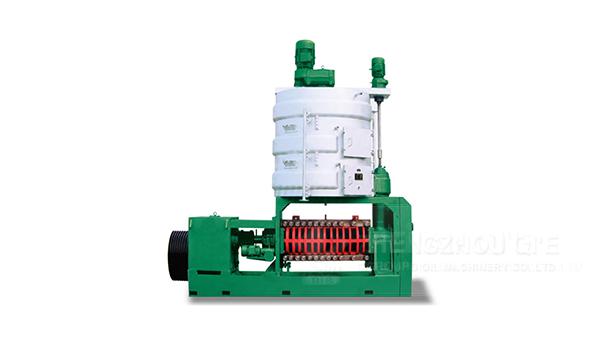
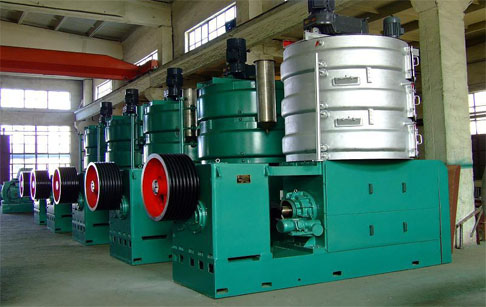
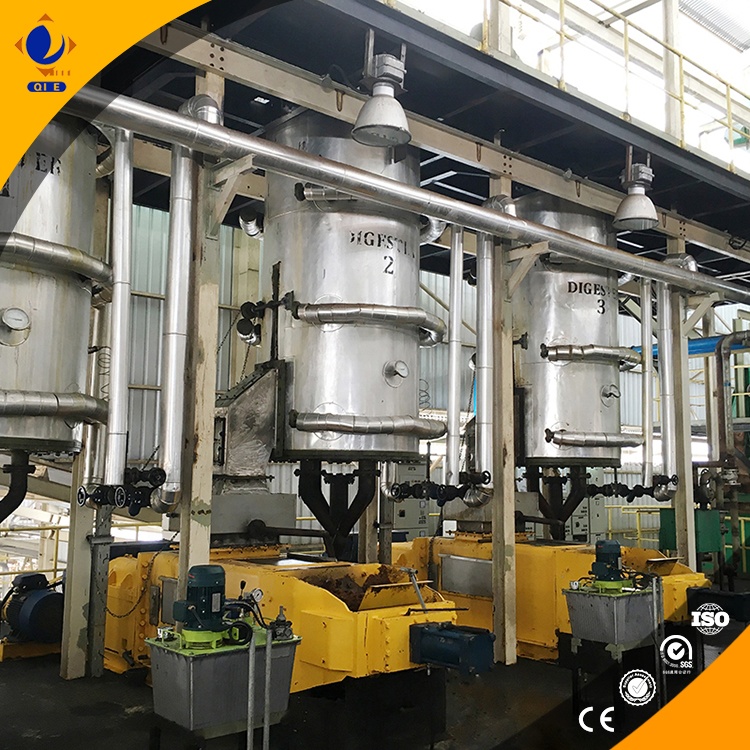
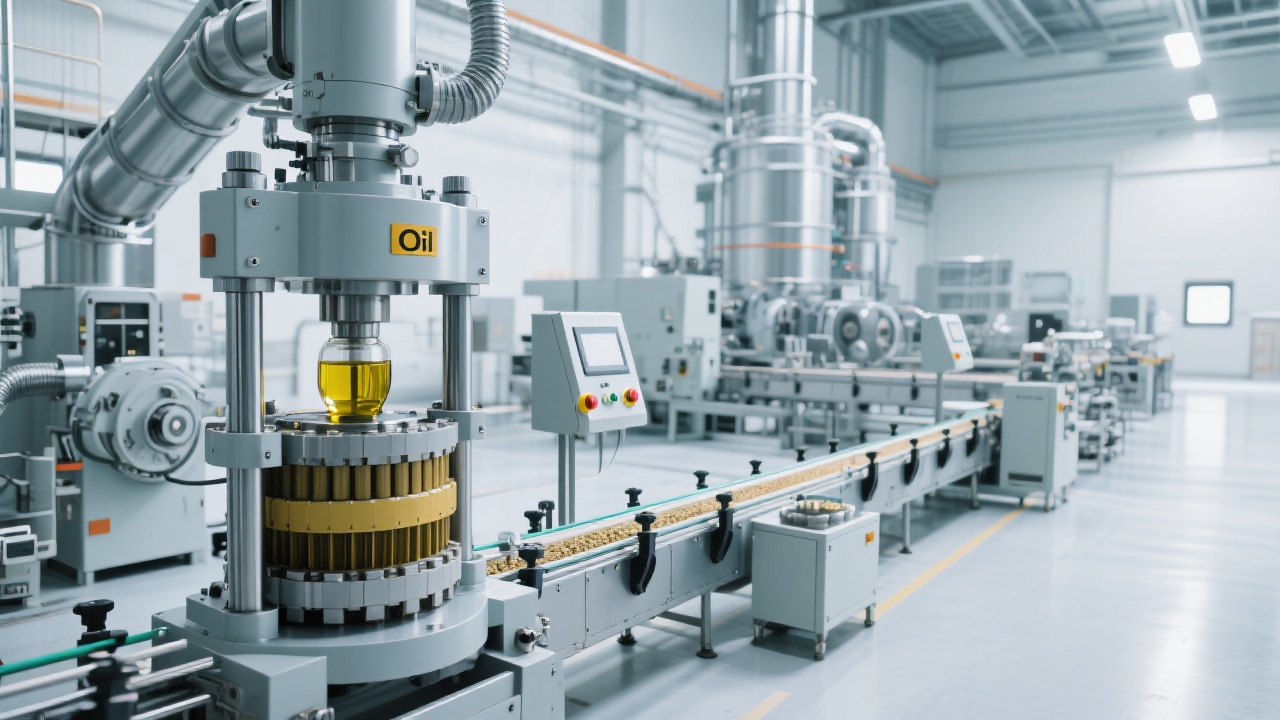
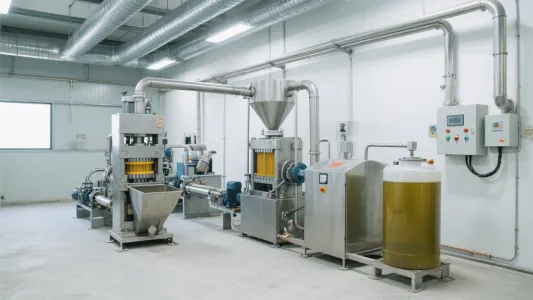
Modern high - efficiency presses are equipped with intelligent temperature - controlled systems. These systems can precisely adjust the temperature and pressure during the pressing process. For instance, the temperature can be maintained within an optimal range of 60 - 80 degrees Celsius, which helps to improve the oil yield and stabilize the oil quality. By adjusting the pressure according to the characteristics of the raw materials, the oil yield can be increased by 8% - 12% compared to traditional pressing methods.

According to a report from the Academy of Agricultural Sciences, physically pressed oils meet higher food safety standards. ISO standards also recognize the superiority of physical pressing in terms of product quality and environmental friendliness. These authoritative references provide strong evidence for the advantages of physical pressing.
Whether it's a small - scale factory or a large - scale production line, physical pressing technology offers flexible solutions. Small - scale factories can choose compact and easy - to - operate presses, while large - scale production lines can be equipped with high - capacity and fully automated pressing systems. This adaptability makes physical pressing a viable option for a wide range of enterprises.

In the context of the green processing trend, physical pressing is set to become the standard for high - end grain and oil exports. As consumers around the world become more health - conscious and environmentally aware, the demand for physically pressed oils is expected to continue to grow.
To help you make more informed decisions in equipment selection and oil production, we invite you to download our 《Efficient Pressing Operation Guide》PDF. This guide will provide you with in - depth knowledge on how to improve oil quality through precise temperature control and other advanced techniques.

 404
|
404
|
 High-Efficiency Oil Press Machine
Automated Oil Production Line
Peanut Oil Press Machine
Eco-Friendly Oil Extraction Equipment
Oil Processing Machinery
High Yield Oil Production Equipment
Plant Oil Extraction Machines
Soybean Oil Press Machine
Durable Oil Processing Equipment
Oil Refining Technology
High-Efficiency Oil Press Machine
Automated Oil Production Line
Peanut Oil Press Machine
Eco-Friendly Oil Extraction Equipment
Oil Processing Machinery
High Yield Oil Production Equipment
Plant Oil Extraction Machines
Soybean Oil Press Machine
Durable Oil Processing Equipment
Oil Refining Technology
 315
|
Peanut Oil Press Machine
Energy-Saving
Intelligent Control System
Oil Yield
ISO 9001:2000
After-Sales Support
Eco-Friendly Technology
315
|
Peanut Oil Press Machine
Energy-Saving
Intelligent Control System
Oil Yield
ISO 9001:2000
After-Sales Support
Eco-Friendly Technology
 397
|
seed pre-treatment and pressing equipment
efficient vegetable oil production solutions
customized oilseed processing machinery
397
|
seed pre-treatment and pressing equipment
efficient vegetable oil production solutions
customized oilseed processing machinery
 186
|
Fully automatic oil pressing equipment efficiency improvement
Peanut oil press technology
PLC automatic control system application
Energy - saving solutions for oil extraction
Optimization methods for peanut oil pressing equipment
70
|
multifunctional peanut oil refining equipment
eco-friendly peanut oil processing solutions
high-quality oil refining technology for large enterprises
186
|
Fully automatic oil pressing equipment efficiency improvement
Peanut oil press technology
PLC automatic control system application
Energy - saving solutions for oil extraction
Optimization methods for peanut oil pressing equipment
70
|
multifunctional peanut oil refining equipment
eco-friendly peanut oil processing solutions
high-quality oil refining technology for large enterprises