As global demand for clean-label and high-quality edible oils rises—especially in EU, North America, and Southeast Asia—manufacturers are increasingly scrutinizing their processing methods. The choice between physical cold pressing and chemical extraction isn't just a technical decision—it's a strategic one that directly impacts export compliance, consumer trust, and brand equity.
According to the China Academy of Agricultural Sciences (2023), over 65% of international buyers now prioritize "non-solvent" or "cold-pressed" labeling when sourcing vegetable oils from China. Why? Because these terms signal lower risk of residual hexane—a known irritant under ISO 21479 standards—and better preservation of natural aroma compounds like tocopherols and phytosterols.
| Feature | Physical Cold Pressing | Chemical Solvent Extraction |
|---|---|---|
| Solvent Residue (ppm) | < 5 ppm | 10–50 ppm |
| Vitamin E Retention (%) | ~90% | ~60% |
| Flavor Profile | Rich, nutty, authentic | Neutral, sometimes artificial |
In real-world applications, this difference is not theoretical. For example, a Malaysian food processor using our smart temperature-controlled corn germ oil press reported a 15% improvement in customer satisfaction scores after switching from solvent-based extraction to mechanical pressing—with no increase in production costs.
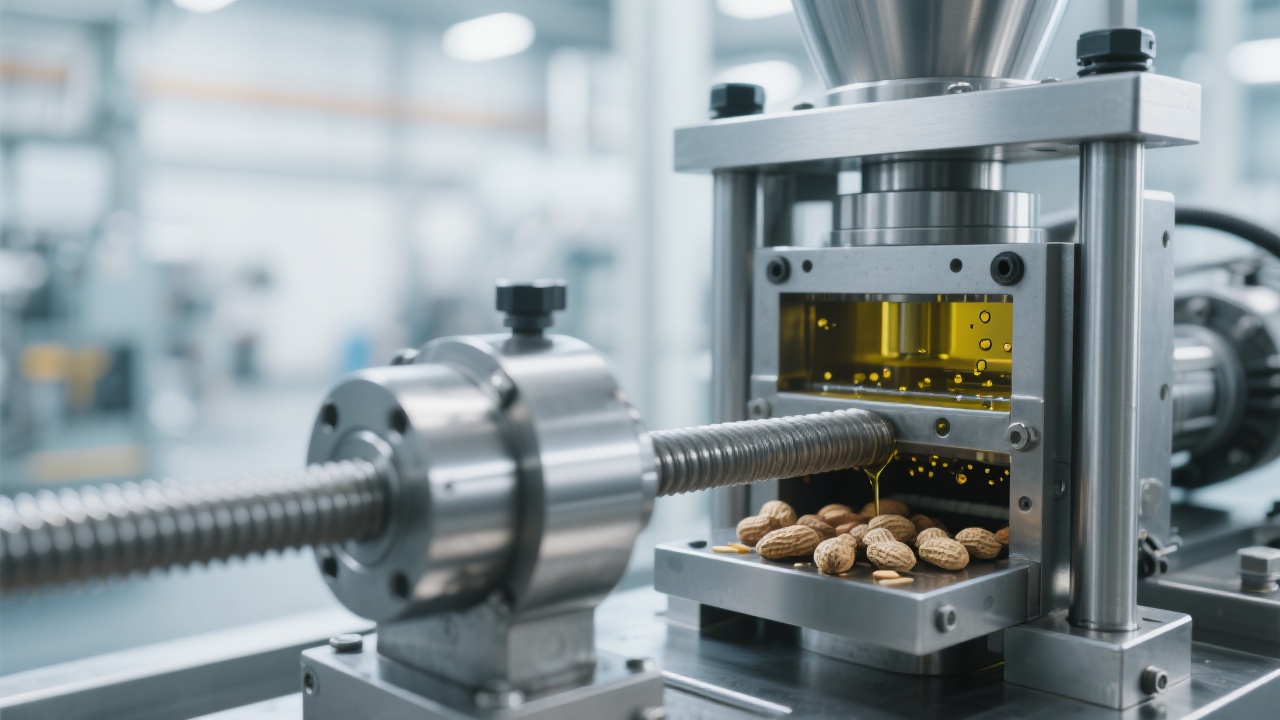
Temperature stability during pressing is critical. Studies show that even a 5°C deviation from optimal range (typically 45–60°C) can reduce oil yield by up to 8% and degrade omega-3 fatty acids. Our system uses real-time thermal sensors and AI-driven feedback loops to maintain consistent pressure and heat—ensuring every batch meets export-grade consistency.
This precision matters most in markets like Germany and Japan, where regulatory bodies require documented process control logs. With smart monitoring, you’re not just producing oil—you’re building audit-ready data for your next certification (HACCP, ISO 22000, or BRCGS).
Download our free “Cold Pressing Optimization Guide”—a step-by-step playbook for achieving premium oil quality without compromising throughput. Includes case studies from 3 successful exporters.
Get the Free Guide Now →Whether you're targeting private label contracts in Europe or scaling into ASEAN’s growing health-conscious segment, choosing the right method isn’t just about tech—it’s about positioning yourself as a reliable, quality-first partner in the global supply chain.

 139
|
139
|
 small-scale palm oil production line equipment
efficient and environmentally friendly oil pressing equipment
palm oil processing procurement decisions
Penguin Group
personalized customization
internationally recognized core components
small-scale palm oil production line equipment
efficient and environmentally friendly oil pressing equipment
palm oil processing procurement decisions
Penguin Group
personalized customization
internationally recognized core components
 437
|
multi-functional peanut oil refining equipment
refining devices for small oil mills
equipment for expanding foreign trade markets
437
|
multi-functional peanut oil refining equipment
refining devices for small oil mills
equipment for expanding foreign trade markets
 392
|
Low-energy peanut oil press
Peanut oil production process
Intelligent control system
Energy-saving press machine
Oil yield improvement
392
|
Low-energy peanut oil press
Peanut oil production process
Intelligent control system
Energy-saving press machine
Oil yield improvement
 234
|
automatic peanut oil press machine
small peanut oil production line
peanut oil press installation tips
oil press machine troubleshooting
peanut oil extraction process
234
|
automatic peanut oil press machine
small peanut oil production line
peanut oil press installation tips
oil press machine troubleshooting
peanut oil extraction process
 428
|
oil press equipment selection
energy-saving oil press machine
oil extraction efficiency
multifunctional oil press
after-sales service benefits
428
|
oil press equipment selection
energy-saving oil press machine
oil extraction efficiency
multifunctional oil press
after-sales service benefits