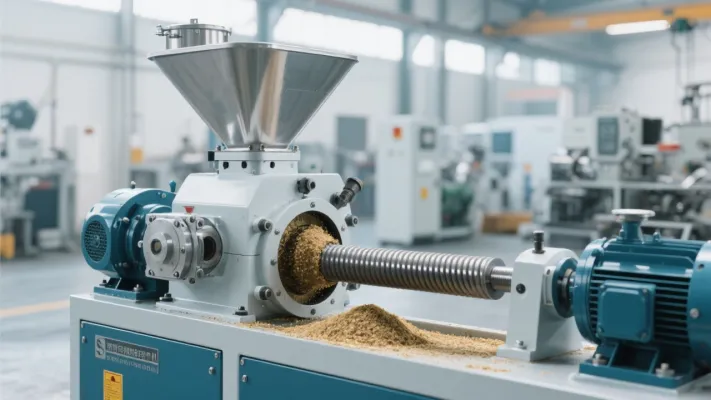
Excessive peroxide value in peanut oil is a critical issue that affects its quality and market competitiveness. This article delves into the full - process quality management system from raw material screening to pressing technology and detection control. By integrating the technological advantages of the fully automatic peanut oil pressing machine production line, it provides practical and implementable solutions to help production enterprises stably meet international standards and avoid economic losses and brand risks caused by sub - standard oil products.
The peroxide value in peanut oil can exceed the standard due to various reasons. Improper raw material selection is one of the primary factors. Peanuts with high moisture content or those that have been stored for too long are more likely to oxidize during the production process. Additionally, inappropriate pressing temperature and time can also lead to an increase in the peroxide value. High - temperature pressing for an extended period accelerates the oxidation of unsaturated fatty acids in peanut oil.
To control the peroxide value, strict raw material selection is essential. Peanuts should be sourced from reliable suppliers and meet certain quality criteria. For example, the moisture content of peanuts should be below 8%. By using high - quality raw materials, the initial risk of peroxide value exceeding the standard can be significantly reduced.
The pressing temperature and time are crucial parameters. Research shows that a pressing temperature between 100 - 120°C and a pressing time of 30 - 40 minutes can effectively control the peroxide value. The intelligent temperature control system of the fully automatic peanut oil pressing machine ensures that each batch of peanut oil can stably meet the standard, reducing the impact of human error on the production process.
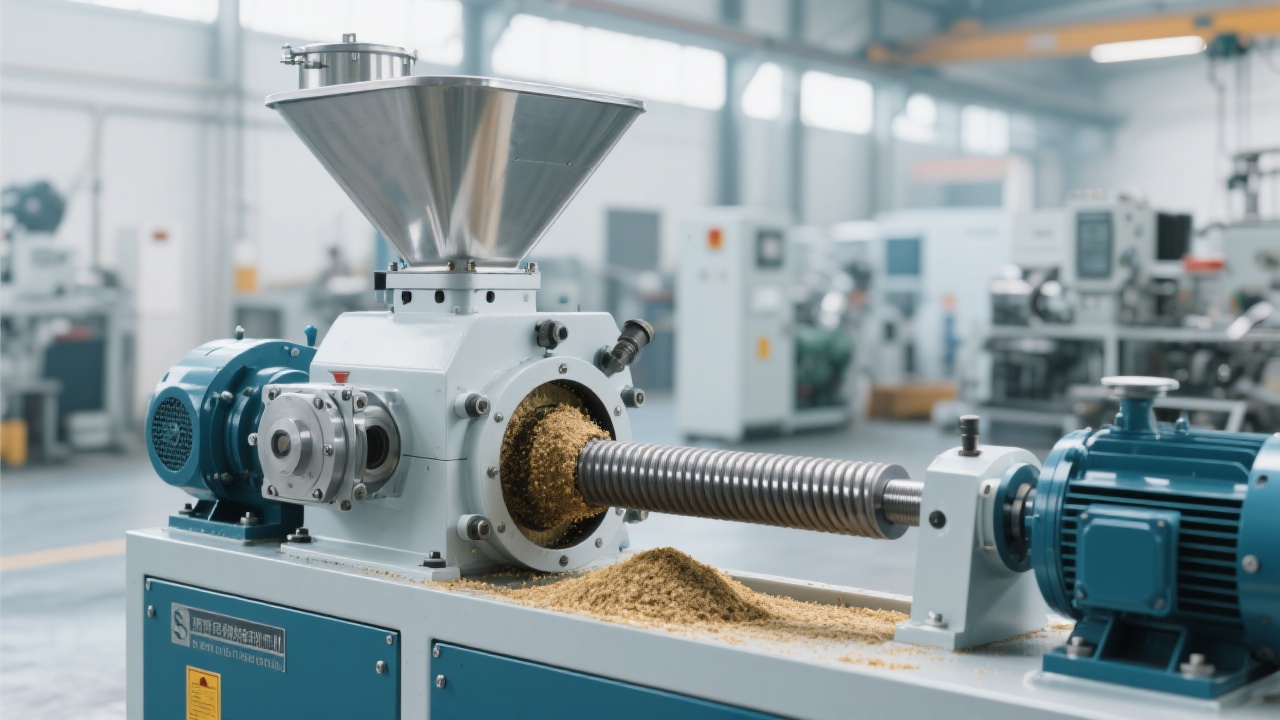
In the laboratory, methods such as the TBA (Thiobarbituric Acid) method can be used to accurately measure the peroxide value of peanut oil. Regular and accurate detection is the key to ensuring product quality. According to data from authoritative institutions, enterprises that conduct regular laboratory testing have a 30% lower probability of producing sub - standard products.
The HACCP (Hazard Analysis and Critical Control Points) system plays an important role in peanut oil production. By identifying critical control points in the production process, such as raw material selection, pressing, and storage, enterprises can effectively prevent the peroxide value from exceeding the standard. For example, in a certain peanut oil production enterprise, after implementing the HACCP system, the rate of sub - standard products decreased from 5% to 1%.
In addition to quality control, environmental compliance is also an important aspect. Green production not only meets the requirements of sustainable development but also helps improve the overall quality of peanut oil. For example, using energy - efficient equipment and reducing waste emissions can enhance the brand image of enterprises.
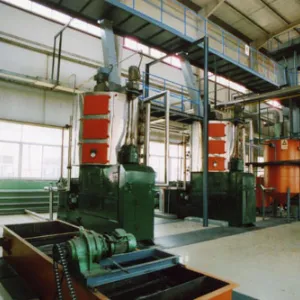
Let's take a real - world case. A peanut oil production enterprise introduced a fully automatic peanut oil pressing machine production line. Before the introduction, the product qualification rate was only 80%, and the peroxide value often fluctuated. After the introduction, the qualification rate increased to 95%, and the stability of the peroxide value was significantly improved. This shows that equipment automation can effectively reduce human error and improve product consistency.
According to ISO 5554 and GB/T 1536 standards, the peroxide value of peanut oil should be strictly controlled within a certain range to ensure its quality and safety.
Your workshop, does it regularly calibrate the testing instruments? Regular calibration can ensure the accuracy of detection results and is an important part of quality control.
In conclusion, through strict raw material selection, optimized pressing parameters, accurate laboratory detection, and the application of advanced management systems, peanut oil production enterprises can effectively control the peroxide value. The fully automatic peanut oil pressing machine production line plays a crucial role in this process, providing strong support for product quality consistency. If you want to learn more about how to improve the quality of peanut oil production and ensure stable product quality, click here to explore more solutions.