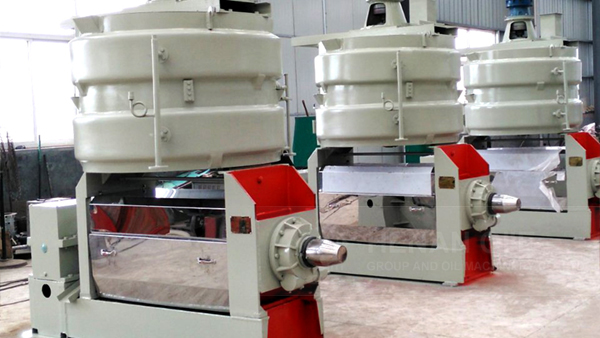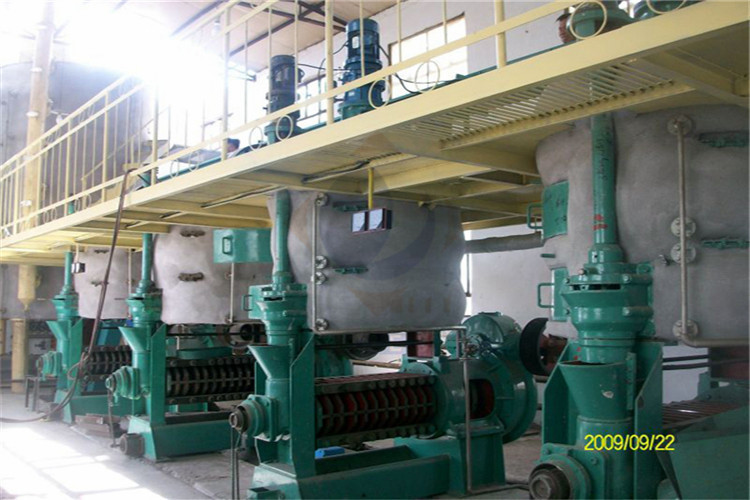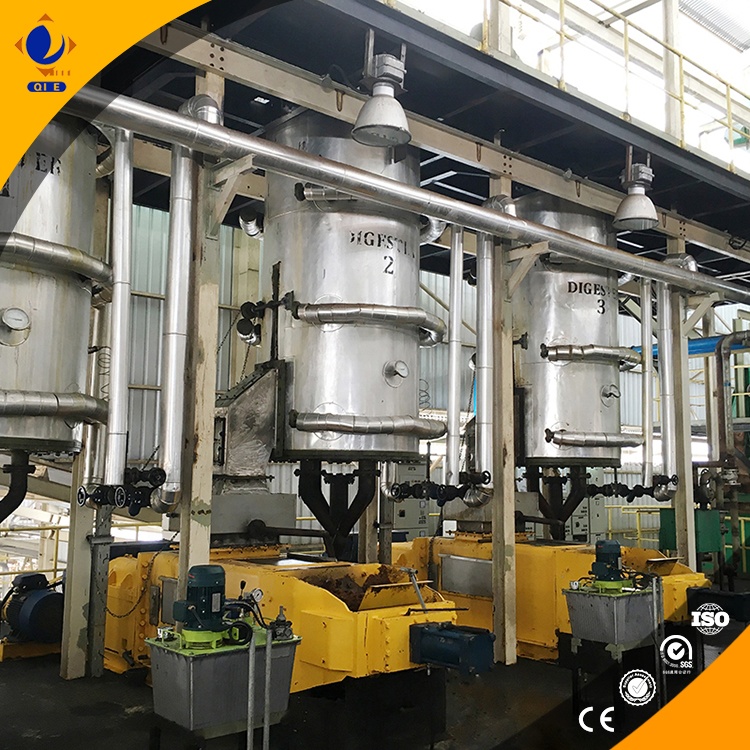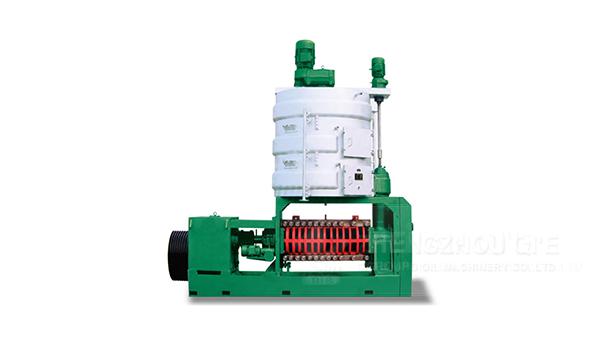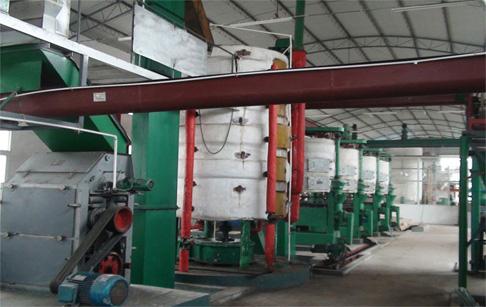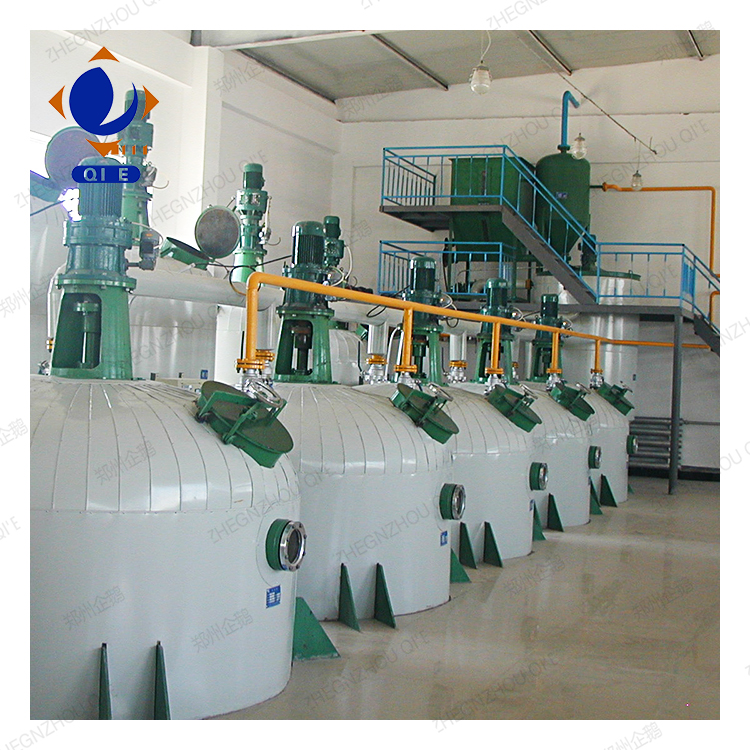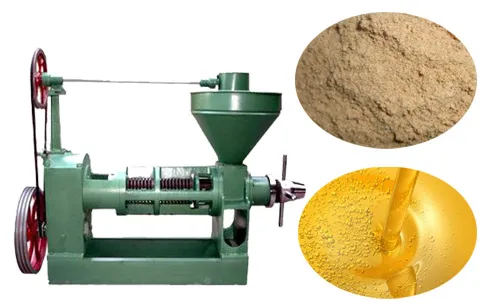
In the realm of small - scale oil production, the spiral cold press has emerged as a versatile and efficient solution for processing a wide range of oil - bearing crops. This article delves into the details of the spiral cold press suitable for multi - oil crop processing, offering insights into the physical properties of various crops, key technical parameters, and practical operation tips.
Small oil mills commonly deal with a variety of oil - bearing crops such as soybeans, peanuts, rapeseeds, sunflower seeds, and sesame seeds. Each crop has distinct physical properties and oil content. For instance, soybeans typically have an oil content ranging from 18% - 22%, while peanuts can contain up to 40% - 50% oil. Rapeseeds usually have an oil content of about 40% - 46%, sunflower seeds around 35% - 45%, and sesame seeds approximately 45% - 60%. Understanding these differences is crucial for optimizing the oil extraction process.
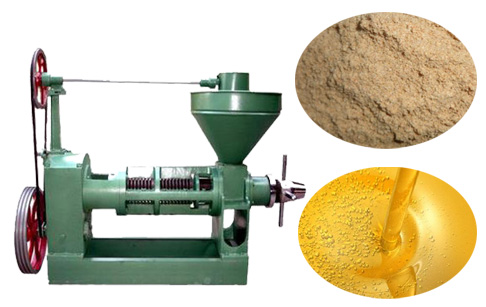
Pretreatment is a vital step in ensuring efficient oil extraction and high - quality oil. It involves controlling factors such as moisture content, crushing particle size, and feed rate. For moisture control, soybeans should generally have a moisture content of around 10% - 12% before pressing. If the moisture is too high, it can lead to lower oil yield and poor oil quality. On the other hand, if it's too low, the press may experience excessive wear. The crushing particle size also affects the extraction efficiency. For most crops, a particle size of 2 - 3 mm is ideal.
Let's take a closer look at the key technical parameters of the spiral cold press. The moisture content, as mentioned earlier, is a critical factor. The feed rate should be adjusted according to the type of crop and the capacity of the press. For example, when processing peanuts, a feed rate of 50 - 60 kg per hour may be appropriate for a small - scale press. The setting of these parameters is based on years of industry experience and numerous tests.
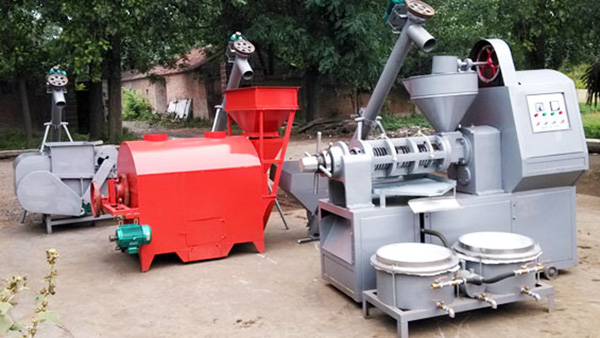
To help users master the practical operation of the spiral cold press, we provide a detailed debugging flowchart and a troubleshooting checklist. The debugging flowchart guides users through the process of setting up the press for different crops, from initial startup to normal operation. The troubleshooting checklist lists common problems such as low oil yield, abnormal noise, and blockages, along with corresponding solutions.
In real - world production, small oil mills often need to process multiple types of crops in rotation. Based on industry case studies, we share some debugging tips and precautions for multi - variety rotation production. For example, when switching from processing soybeans to peanuts, it's necessary to clean the press thoroughly to avoid cross - contamination and ensure the quality of the oil.
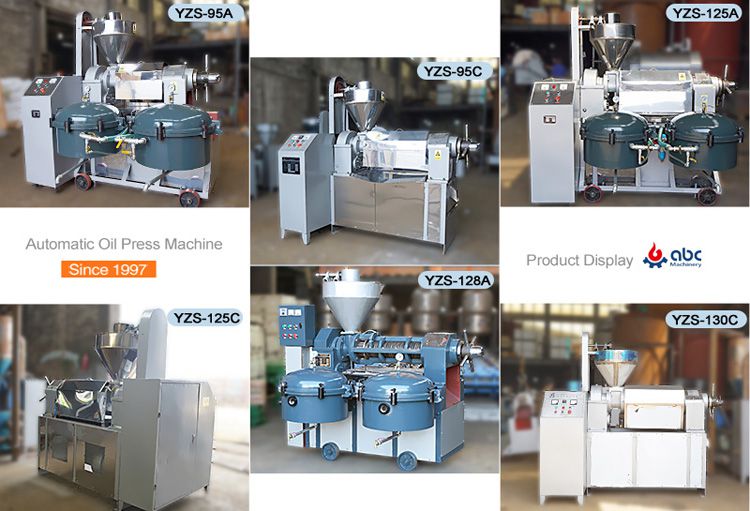
We are proud to introduce our fully automatic peanut and soybean oil spiral cold press, which meets the ISO9001 standard. This press is easy to operate and has a wide range of applications. It can significantly improve the efficiency of small oil mills and help achieve maximum production benefits. If you are interested in our product, please click here to consult.

 60
|
60
|
 corn germ oil pressing efficiency
small scale oil press configuration
intelligent temperature control in oil extraction
pressing parameters optimization
physical oil pressing process
corn germ oil pressing efficiency
small scale oil press configuration
intelligent temperature control in oil extraction
pressing parameters optimization
physical oil pressing process
 416
|
High - efficiency physical pressing technology
Corn germ oil press
Intelligent temperature control system
Vegetable oil nutrient retention
Grain and oil processing equipment
416
|
High - efficiency physical pressing technology
Corn germ oil press
Intelligent temperature control system
Vegetable oil nutrient retention
Grain and oil processing equipment
 233
|
peanut oil pressing technology
hydraulic pre-pressure adjustment
automatic oil extraction efficiency
energy-saving oil extraction methods
peanut variety adaptation
233
|
peanut oil pressing technology
hydraulic pre-pressure adjustment
automatic oil extraction efficiency
energy-saving oil extraction methods
peanut variety adaptation
 418
|
High Efficiency Corn Germ Oil Press Machine
Commercial Corn Oil Press Machine
Corn Germ Oil Extraction Equipment
Nutritious Corn Oil Press
Smart Temperature Control Oil Press
Multi-functional Oil Press Machine
Eco-friendly Corn Germ Oil Press
Professional Oil Press Services
418
|
High Efficiency Corn Germ Oil Press Machine
Commercial Corn Oil Press Machine
Corn Germ Oil Extraction Equipment
Nutritious Corn Oil Press
Smart Temperature Control Oil Press
Multi-functional Oil Press Machine
Eco-friendly Corn Germ Oil Press
Professional Oil Press Services
 158
|
automatic peanut oil press machine
peanut oil quality control
international food safety standards
green oil extraction process
HACCP certified peanut oil
158
|
automatic peanut oil press machine
peanut oil quality control
international food safety standards
green oil extraction process
HACCP certified peanut oil